
Blooming
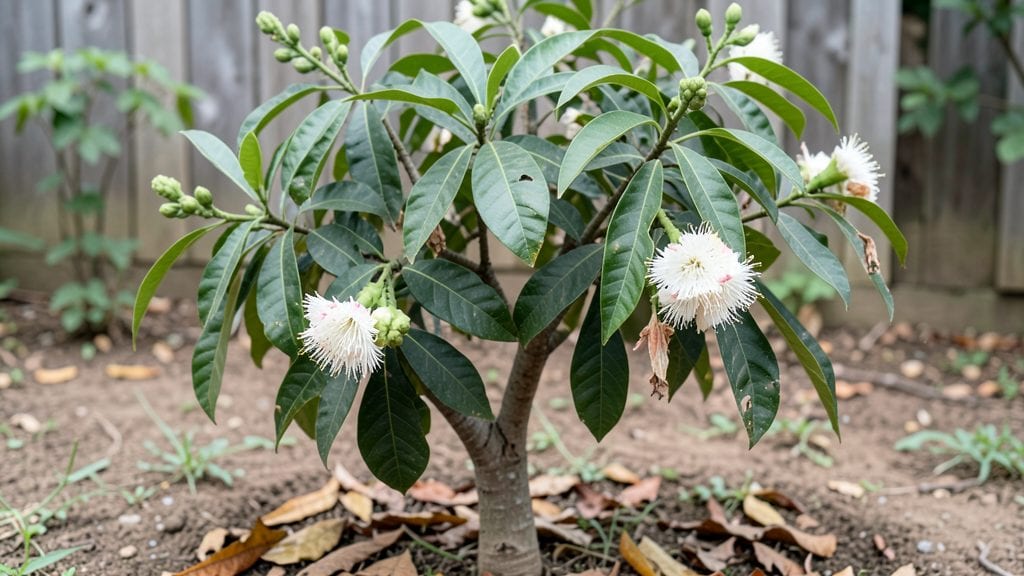
Understanding the mango flowering stages 🥭 is your secret weapon for a tree that finally drops fruit instead of flowers.
Picture this: you’ve poured years into your tropical mango tree, only to watch it bloom extravagantly—then drop every single flower. That’s because most gardeners miss the 5 critical stages between bud and fruit, and without knowing them, you’re flying blind.
From the first tiny panicle to the moment pollination happens (or fails), each phase demands a different approach. Skip one step, and your harvest stays small—or disappears entirely.
Here’s how to spot each stage, what your tree really needs at every turn, and the simple fixes that turn wasted blooms into juicy mangoes.
No more guesswork. Just clear visual cues, the right timing for pruning and feeding, and the exact conditions to push your tree from "pretty flowers" to "fruit-laden branches." Let’s get started.
5 Stages of mango flowering: visual guide to each phase
Watching your mango tree bloom is exciting, but recognizing each flowering stage helps you optimize fruit set. Mango trees produce panicles (flower clusters) that develop through five distinct phases—each requiring specific care.
Understanding these stages lets you identify healthy flowers, distinguish flower types, and boost pollination for a successful harvest.
Mango flowers come in three types: male flowers (no reproductive parts), hermaphrodite flowers (both male and female parts), and female flowers (only female parts). Hermaphrodite flowers are crucial for fruit development, while male flowers support pollination.
By recognizing these differences early, you can improve fruit yield and reduce wasted energy from excess male flowers.
Here’s a visual breakdown of the five flowering stages, including key characteristics, flower types, and care tips for each phase. Use this guide to monitor your tree’s progress and intervene where needed.
🌱
<comparison-table>| Stage | Description | Flower Types Present | Key Visual Cues | Care Tips |
|---|---|---|---|---|
| Stage 1: Panicle Initiation | Tiny flower buds form in clusters along branches. Tree allocates energy to bud development. | None (buds only) | Greenish bud clusters (0.5–1 inch long), no petals yet. | Avoid pruning; ensure balanced fertilization (NPK 6-6-6). |
| Stage 2: Bud Swelling | Buds swell and petals begin forming. Male and hermaphrodite buds become visible. | Male, Hermaphrodite | Buds turn pinkish-green; hermaphrodite buds slightly larger. | Monitor for pests (e.g., aphids); apply neem oil if needed. |
| Stage 3: Flower Opening | Flowers fully bloom over 3–5 days. Peak pollination window opens. | Male, Hermaphrodite, Female | White-pink petals; hermaphrodite flowers have yellow anthers. | Hand-pollinate if bees are scarce; avoid chemical sprays. |
| Stage 4: Pollination & Fertilization | Pollinators (bees/wind) transfer pollen to hermaphrodite flowers. Fruitlets begin forming. | Hermaphrodite (primary) | Wilted petals; tiny green fruitlets (pea-sized) appear. | Thin excess fruitlets to reduce tree stress; ensure consistent watering. |
| Stage 5: Fruit Set & Drop | Weak fruitlets drop naturally; surviving fruitlets grow rapidly. Tree focuses energy on fruit development. | None (fruitlets only) | 1-inch green fruit; some branches may have empty flower clusters. | Apply potassium-rich fertilizer to support fruit growth. |
During Stage 3 (Flower Opening), hermaphrodite flowers are your best bet for fruit. Look for yellow anthers—these indicate flowers capable of self-pollination. If your tree lacks pollinators, gently shake branches or use a soft paintbrush to transfer pollen between flowers.
This mimics bee activity and increases your chances of fruit set.
In Stage 4 (Pollination), you might notice some flowers failing to produce fruitlets. This is normal—mango trees often abort weak fruit to conserve energy. Focus on the healthiest fruitlets
How to boost fruit set during critical flowering stages
During the mango flowering stages, even the healthiest trees can struggle with poor fruit set. The key to success lies in understanding how to support pollination and avoid common pitfalls.
Mango trees produce three types of flowers—male, hermaphrodite, and female—but only hermaphrodite flowers can develop into fruit. Without proper care, up to 70% of flowers may drop before fruiting begins.
To maximize your harvest, focus on three critical areas: pollination support, flower thinning, and environmental optimization. Each of these steps directly impacts how many mangoes your tree will produce.
For example, hand-pollination can increase fruit set by 30-50% in areas with limited natural pollinators. Let’s dive into actionable techniques to turn those blooms into a bountiful crop.
🌱 Pro Tip: Hand-Pollination for Mango Trees
Use a soft paintbrush or cotton swab to transfer pollen from male flowers to hermaphrodite flowers on calm, dry mornings. Focus on flowers that are fully open but haven’t yet released pollen naturally. Repeat every 2-3 days during peak flowering for best results.
Timing is everything when it comes to mango flowering stages. The ideal conditions for pollination include warm temperatures (75-85°F), low humidity, and calm winds. If your region experiences heavy rain or high humidity during flowering, consider creating a temporary shade cloth to protect blooms.
Even a 24-hour rain event can wash away pollen, drastically reducing fruit set.
Thinning excess flowers is another game-changer. Overloaded branches can lead to small, underdeveloped fruit or even flower drop. Start by removing 50% of the flowers when they’re about half an inch in size.
Focus on keeping only the healthiest hermaphrodite flowers spaced 6-8 inches apart on each branch. This ensures the remaining fruit receives adequate nutrients and sunlight.
Nutrition plays a hidden but crucial role. Before flowering begins, apply a balanced fertilizer (6-6-6 or 8-3-9) with micronutrients like zinc and boron. These minerals support flower development and fruit formation.
Avoid heavy nitrogen applications during flowering, as they promote leaf growth at the expense of fruiting. Instead, switch to a low-nitrogen, high-phosphorus fertilizer to encourage blooming.
Patience is key during the mango flowering stages. After pollination, it takes 3-4 weeks for fruit to set and another 3-6 months to mature. Monitor your tree for signs of stress, such as yellowing leaves or premature flower drop, and adjust care accordingly.
If you notice issues, address them immediately—early intervention can save your harvest.
With these techniques, you’ll transform your mango tree’s flowering stages into a productive fruiting season. The effort you put in now will pay off with larger, sweeter mangoes and fewer dropped blooms. Happy growing! 🌿