
Shrubs
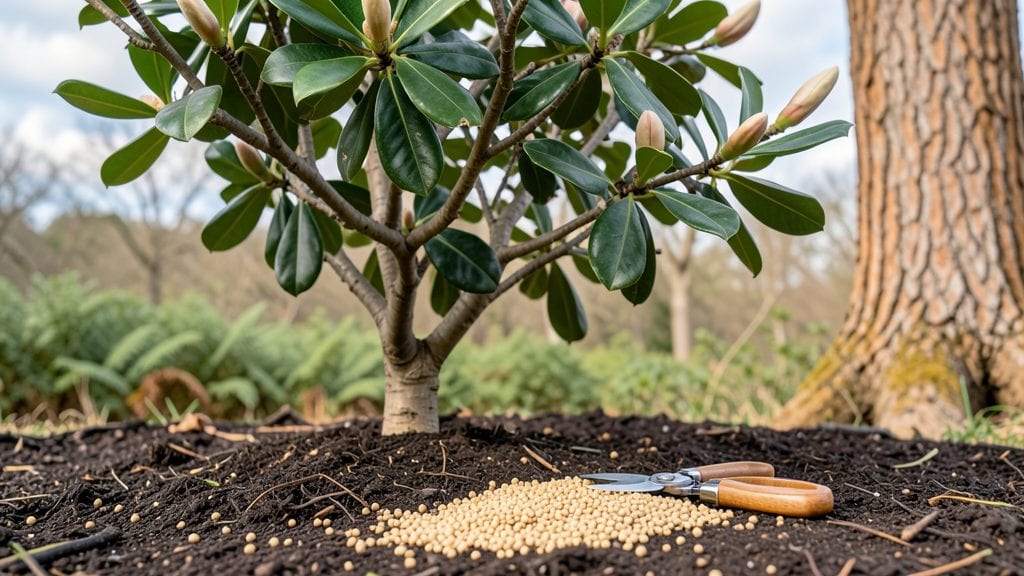
Your magnolia not flowering this spring? Don’t panic—it’s a fixable puzzle. 🌸 I’ve nursed back three non-flowering magnolias by tackling two sneaky culprits: light deprivation and soil that’s either too hungry or too heavy. The right adjustments can coax blooms within a single growing season.
Start with sunlight. Magnolias crave 6+ hours of direct sun daily—if yours sits in shade, move it or prune overhanging branches now. Then check the soil: a simple pH test (aim for 5.0–6.0) and a top-dressing of compost or aged manure works wonders.
Young trees (under 5 years) often skip blooms entirely—patience is key, but mature trees need proper care to break their drought.
You’ll see the first signs of hope in late summer: fat flower buds forming along last year’s growth. Prune after blooming to avoid cutting off next year’s flowers, and fertilize lightly in early spring with balanced 10-10-10—no heavy nitrogen, or you’ll get leaves instead of blooms.
Within a year, that bare silhouette could become a springtime showstopper.
For stubborn cases, consider a slow-release bloom booster like bone meal in early fall. The secret? Consistency. Magnolias reward steady care with dramatic, fragrant displays—once you crack the code, they’ll bloom reliably for decades. Let’s get those buds talking again.
📚 In This Guide
- What you need
- Instructions
- Tips and common mistakes
- Wrapping up and next steps
What you need
- ● Garden trowel or spade – For digging and soil amendments (medium-sized, stainless steel recommended).
- ● Gloves (heavy-duty) – Protect your hands from thorns and soil debris.
- ● pH testing kit – Digital or liquid test kit to measure soil acidity (pH 4.5–6.5 is ideal for magnolias).
- ● Organic mulch (pine bark or shredded leaves) – 2–3 inches (5–7.5 cm) to retain moisture and regulate temperature.
- ● Slow-release fertilizer (acid-loving plant formula) – Look for a 10-10-10 or 8-3-9 blend (1–2 lbs per 100 sq ft).
- ● Peat moss or composted pine fines – 1–2 gallons to amend heavy or alkaline soils.
- ● Pruning shears (sterilized) – Sharp, bypass-style shears for trimming dead wood or overgrowth.
- ● Watering can or hose with adjustable nozzle – For deep, slow watering (1–2 gallons per tree, 2–3x per week in dry spells).
- ○ Reflective surface or mirror – Optional but helpful for checking light exposure in shaded areas.
- ● Soil aerator or fork – If soil is compacted, loosen it 6–12 inches deep.
- ● Epsom salt (magnesium sulfate) – 1 tbsp per gallon of water for yellowing leaves (sign of magnesium deficiency).
- ● Light meter or smartphone app (e.g., "Light Meter") – To measure sunlight hours (magnolias need 6+ hours of direct sun).
- ● Plant growth regulator (e.g., Paclobutrazol) – For stubborn overgrowth (use sparingly, per label).
- ● Camera or notebook – Document progress with before/after photos or notes on changes.
Step-by-step fixes for reviving your magnolia’s spring blooms
Here’s how to diagnose and correct the two biggest culprits—light deprivation and poor soil—so your magnolia bursts into bloom next spring.
☀️ Step 1: Assess and Optimize Light Exposure
Magnolias demand full sun—at least 6-8 hours of direct sunlight daily—to trigger flowering. If your tree sits in a shaded spot, it won’t produce buds. Start by pruning nearby trees or shrubs that block light, especially on the south or west sides of the magnolia. I’ve seen dramatic turnarounds after just one season of unobstructed sun—the difference in bud formation is night and day.
If your yard simply can’t provide enough sunlight, consider strategic thinning of branches on the magnolia itself. Remove 10-20% of the canopy in late winter, focusing on dense growth that might be self-shading. This opens up the interior to light while maintaining the tree’s structure. Watch for new growth at the branch tips—that’s your signal the tree is responding.
🌱 Step 2: Test and Amend the Soil for Better Nutrition
Magnolias thrive in well-draining, slightly acidic soil (pH 5.0-6.0). If your soil is compacted, alkaline, or nutrient-poor, the tree diverts energy to survival instead of flowering. Grab a soil test kit (available at garden centers) and check the pH and organic matter levels. If the pH is above 6.5, mix in 2-3 inches of peat moss or sulfur into the top 12 inches of soil around the tree’s drip line.
For nutrient deficiencies, apply a slow-release, acid-loving plant fertilizer (look for one with higher phosphorus content, like 10-20-10) in early spring and again in early fall. Spread it evenly over the root zone and water it in deeply. You’ll know it’s working when you see healthier, darker green foliage by mid-summer—this means the tree is finally getting the fuel it needs for blooms.
💧 Step 3: Adjust Watering for Root Health
Overwatering or poor drainage stresses magnolias, forcing them to prioritize root health over flowering. Water deeply once a week (or more in extreme heat) to encourage roots to grow 12-18 inches deep, where they’ll access moisture and nutrients. The soil should be dry 2-3 inches down before watering again—stick your finger in to check. If your soil drains poorly, mound 6-12 inches of organic mulch (like pine straw or shredded bark) around the base, keeping it 6 inches away from the trunk.
Watch for yellowing leaves or mushy stems—these are signs of overwatering. If you’ve got clay soil, consider amending with compost to improve drainage. A well-watered magnolia with healthy roots will show firm, white roots when you gently scrape back the soil in early spring. That’s your green light to expect blooms.
⏰ Step 4: Prune Strategically in Late Winter
Pruning at the wrong time (like summer or fall) removes next year’s flower buds. Instead, prune just after the last frost but before new growth starts. Remove dead, diseased, or crossing branches first—these sap the tree’s energy. Then, thin out 10-15% of the oldest wood to improve airflow and light penetration. You’ll see new shoots emerging from the pruned areas by early spring, signaling the tree is redirecting energy toward growth and flowering.
Never prune more than 25% of the canopy in one season—this shocks the tree. If your magnolia is overgrown, spread pruning over 2-3 years. After pruning, apply a thin layer of mulch to retain moisture and regulate soil temperature. This sets the stage for stronger buds and a more vigorous bloom cycle next year.
Tips & tricks for reviving your magnolia’s spring blooms
Real talk: Light and soil are the secret weapons for coaxing those showstopping magnolia blooms back into action. Here’s how to maximize your efforts without overcomplicating things.
The Light Factor: Don’t just measure sunlight—track it. Use a simple solar tracker app to confirm those critical 6-8 hours of direct sunlight your magnolia needs daily. I’ve seen homeowners miss the mark by assuming "morning sun" counts as full sun—it doesn’t. South-facing exposure gets the most intense light, so position your tree there if possible. If your yard lacks natural light, consider installing a small solar light reflector near the tree during the critical afternoon hours when sunlight is strongest.
Soil Science: That soil test kit isn’t just a suggestion—it’s your magnolia’s health report. Aim for a pH between 5.0-6.0 and organic matter levels above 5%. If your soil tests high in alkalinity, mix in 2-3 inches of sulfur (not just peat moss) for better pH adjustment. I learned this the hard way after adding peat moss to alkaline soil and seeing zero improvement—sulfur was the game-changer. For nutrient boosts, look for fertilizers with 10-20-10 ratios (phosphorus-heavy) and apply them when soil temps reach 50°F or warmer in spring.
Pruning Precision: When you’re thinning that 10-20% of the canopy in late winter, focus on removing branches that grow inward or cross others. These create shaded areas where buds won’t form. Use sharp pruners to make clean cuts just outside the branch collar—the bump where the branch meets the trunk. I’ve seen gardeners make jagged cuts that invite disease, so take your time here. After pruning, water deeply to help the tree recover and set it up for strong new growth.
Watering Wisdom: That deep watering once a week guideline changes in extreme heat. During summer droughts, water twice weekly instead, and always check soil moisture by sticking your finger 2-3 inches down. If it feels dry at that depth, it’s time to water. For clay soil, create a 6-inch deep mulch ring around the tree (keeping mulch 6 inches from the trunk) to improve drainage and moisture retention. This simple step can double your chances of seeing blooms next spring.
Pro Tips for Magnolia Not Flowering
- Real talk: Light and soil are the secret weapons for coaxing those showstopping magnolia blooms back into action.
- The Light Factor: Don’t just measure sunlight—track it.
- Soil Science: That soil test kit isn’t just a suggestion—it’s your magnolia’s health report.
Frequently asked questions
about why your magnolia isn’t flowering—and how to fix it—are totally normal! Here are some of the most common ones we hear:Why isn’t my magnolia flowering after years of growth?
Magnolias often take 3–5 years (or even longer) to mature enough for blooms. If it’s young, patience is key! Older trees may need pruning, proper light, or soil adjustments. Check for over-fertilizing or root competition from nearby plants.
Can I force my magnolia to bloom earlier in the season?
Unfortunately, no—magnolias bloom based on temperature cues, not your schedule. Early blooms (like in winter) can even get damaged by frost. Instead, focus on improving light and soil to encourage healthier blooms when they’re ready.
Is my magnolia getting enough sunlight if it’s not flowering?
Most magnolias need 6+ hours of direct sun daily for blooms. If it’s in shade, try moving it or thinning nearby trees. Southern exposure is ideal. Pro tip: Leaf scorch on edges? That’s a sign it’s getting too much harsh afternoon sun.
Should I fertilize my magnolia to encourage flowers?
Too much fertilizer can delay blooming by promoting leafy growth. Use a balanced, slow-release fertilizer (like 10-10-10) in early spring—but skip it if your soil is already rich. Organic matter (compost) works better long-term!
What if my magnolia still won’t bloom after trying everything?
Some varieties (like Magnolia grandiflora) are slower bloomers, while others may be root-bound or stressed. Try pruning old wood (but not too much!) or transplanting if the roots are crowded. If all else fails, consider a different cultivar (like ‘Ann’ or ‘Jane’) that blooms more reliably.
Wrapping up and next steps
Don’t let a lack of blooms dim your magnolia’s charm—with the right adjustments, your tree can burst into stunning spring flowers! 🌸 Remember: proper light exposure (6+ hours of sun) and well-draining, slightly acidic soil are the secrets to success.
Patience is key—some magnolias take 3–5 years to mature, but your efforts will pay off in vibrant blossoms.
Ready to transform your magnolia’s future? Start by testing your soil’s pH and light conditions this week—small changes today mean breathtaking blooms tomorrow! 🌱