
Flowers
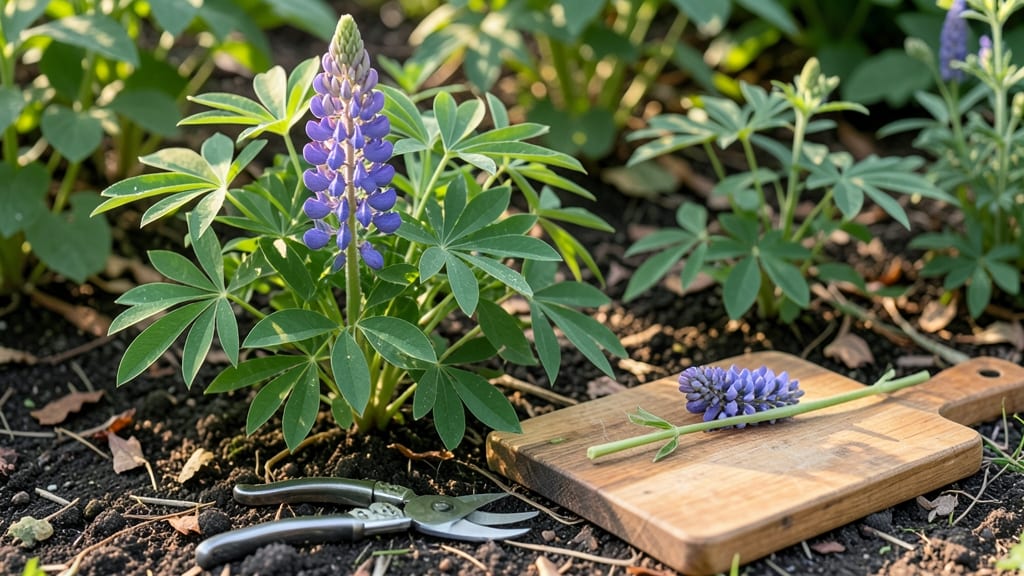
Growing lupine cut flowers that last in vases for weeks starts with the right approach—these striking blue spikes aren’t just pretty, they’re pollinator magnets that keep your garden buzzing all season. 🌿 I’ve learned the hard way that lupines demand patience and specific care, but when you nail the soil, sunlight, and pruning, you’ll harvest stems that outshine store-bought bouquets.
The secret lies in mimicking their natural habitat: well-draining soil, full sun, and strategic deadheading to encourage more blooms.
You’ll need just a few key supplies: a sunny spot with at least 6 hours of direct light, loose, slightly alkaline soil (pH 6.5-7.5), and a pair of sharp pruners for harvesting. Lupines thrive in USDA zones 4-9, making them versatile for most climates.
The real game-changer? Pruning spent blooms regularly—this tricks the plant into producing 3-4 successive flushes of flowers per season, giving you a steady supply of cut stems from early summer through fall.
When it’s time to harvest, cut stems at a 45-degree angle just above a leaf node in the morning after dew has dried. Strip the lower leaves and place them in lukewarm water—this keeps them fresh for 10-14 days, their vibrant colors holding strong.
The best part? These cut flowers dry beautifully too, preserving their height and structure for winter arrangements.
Here’s the trick for year-round blooms: start seeds indoors 8-10 weeks before your last frost, and succession-plant every 4-6 weeks for continuous harvests. Lupines self-seed aggressively, so you’ll have new volunteers popping up for seasons to come—just thin them to avoid overcrowding.
Ready to grow lupines that steal the show in vases and gardens alike?
📚 In This Guide
- What you need
- Instructions
- Tips and common mistakes
- Wrapping up and next steps
What you need
- ● Lupine Seeds or Plants: Choose Lupinus polyphyllus (Garden Lupine) or Lupinus perennis (Wild Lupine) for cut flowers.
- ● Quantity: 10–20 seeds (or 3–5 nursery plants) for a small bouquet harvest.
- ● Well-Draining Soil: Mix 1 part compost with 2 parts garden soil (lupines hate soggy roots!).
- ● Sunlight: Full sun (6+ hours/day) for optimal blooms.
- ● Water: Consistent moisture (1–2 inches per week, more in heat).
- ● Garden Trowel (for planting seeds/transplants).
- ● Pruning Shears (sharp, clean—sterilize with rubbing alcohol!).
- ● Watering Can or Hose (with a gentle spray nozzle).
- ○ Stakes or Trellis (Optional): Lupines grow tall (2–4 ft)—support them to prevent flopping!
- ○ Floral Preservative (Optional): Extend vase life by 2–3 days (e.g., Floralife).
- ● 🌡️ Soil pH: Test and amend to 6.0–7.0 (lupines love slightly acidic to neutral soil).
- ● ✨ Pollinator Boost: Plant near bee balm or lavender to attract pollinators (and more blooms!).
- ● 📊 Deadheading: Snip spent blooms to encourage non-stop regrowth!
Step-by-Step instructions for growing lupine cut flowers
Here’s how to cultivate lupines that thrive as both garden stars and long-lasting bouquets.
🌱 Step 1: Select and Prepare the Planting Site
Lupines crave full sun—choose a spot with at least 6 hours of direct light daily. Their roots need well-draining, slightly alkaline soil (pH 6.5–7.5), so amend heavy clay with 2–3 inches of compost and a handful of wood ash per square foot to raise pH naturally. Avoid fresh manure—it can burn tender roots.
Dig a hole twice as wide as the root ball but only as deep as the container’s base. Lupines have deep taproots, so handle them gently when transplanting. Water the hole thoroughly before placing the plant inside—this helps settle soil around roots without air pockets.
💧 Step 2: Plant and Water for Establishment
Space lupines 18–24 inches apart to allow airflow and prevent fungal diseases. The first true leaves will appear in 2–3 weeks—this is your cue to water deeply once a week (or more in 90°F+ heat). Use a soaker hose to deliver moisture to the roots without wetting foliage, which reduces mildew risk.
Real talk: Lupines are drought-tolerant once established, but young plants need consistent moisture. Let the top 2 inches of soil dry between waterings. Overwatering now leads to root rot, which is a silent killer—you’ll notice yellowing leaves before stems collapse.
☀️ Step 3: Support and Fertilize for Strong Stems
As stems reach 12–18 inches tall, install sturdy stakes (bamboo works best) or a peach basket-style trellis near each plant. Lupine stems are woody but can bend under heavy blooms. Tie stems loosely with soft plant ties every 6 inches—too-tight knots strangle growth.
Feed plants once in early spring with a low-nitrogen, high-phosphorus fertilizer (like 5-10-10) to encourage blooms. Skip fertilizer after mid-summer—it promotes leafy growth at the expense of flowers. Lupines are nitrogen-fixers, meaning their roots naturally enrich soil, but they still need phosphorus for vibrant blooms.
✂️ Step 4: Harvest and Extend the Season
Cut stems when 2–3 lower buds open—this ensures 5–7 days of vase life. Use clean, sharp shears and snip at a 45-degree angle just above a leaf node. Remove any lower leaves that’ll sit in water. Change vase water every other day and trim stems by ½ inch to prolong freshness.
To extend blooming, deadhead spent flowers (snip the entire stem down to the first set of leaves) and mulch with 2 inches of straw in late summer. This protects roots from winter chill and encourages a second flush of blooms in spring. Lupines are perennials in USDA Zones 3–9, but they’ll reward you with year-round interest if you prune correctly.
🌿 Step 5: Overwinter for Next Year’s Blooms
In Zone 4 or colder, mound 4–6 inches of mulch around the base after the first hard frost. Lupines are hardy, but young plants benefit from extra insulation. In warmer zones, reduce watering in winter but keep soil slightly moist—drought stress weakens stems for next year’s blooms.
Here’s the trick: Don’t prune back until early spring. Cut stems down to 6 inches tall in late February or March (just before new growth starts). This removes dead foliage but leaves the crown intact—lupines resprout from the base, and you’ll see new shoots in 3–4 weeks.
Tips & tricks for perfect lupine cut flowers
Took me years of trial-and-error to master these lupine-growing secrets—here's how to skip the mistakes and get stunning, long-lasting blooms every season.
Soil pH Precision: Don't just guess at that pH 6.5-7.5 range—test your soil first with a simple kit from your garden center. I've seen lupines struggle in soil that seemed "fine" but was actually too acidic. If your pH is below 6.5, mix in 1/4 cup of wood ash per square foot and retest in 2 weeks. The goal is vibrant blue blooms, not pale flowers that fade quickly.
Watering Strategy: That "once a week" guideline in Step 2 assumes average conditions. When temperatures hit 90°F+, I switch to watering every 2-3 days—but only in the early morning to prevent fungal issues. The key is keeping the top 2 inches of soil consistently moist, not soggy. Stick your finger in the soil before watering—if it feels dry at that depth, it's time.
Support System: Don't wait until stems reach 12-18 inches to install supports—set up your stakes or trellis at 8-10 inches instead. This gives you more control over plant growth and prevents stems from bending permanently. I use bamboo stakes because they're sturdy yet flexible enough to accommodate natural movement without breaking.
Harvest Timing: The "2-3 lower buds open" rule is non-negotiable for vase life, but here's the pro tip: Harvest on a cloudy morning when stems are fully hydrated. This ensures maximum freshness and prevents wilting during transport. If you must harvest in bright sun, do it late afternoon and immediately submerge stems in cool water.
Pro Tips for Lupine Cut Flower
- Took me years of trial-and-error to master these lupine-growing secrets—here's how to skip the mistakes and get stunning, long-lasting blooms every season.
- Soil pH Precision: Don't just guess at that pH 6.5-7.5 range—test your soil first with a simple kit from your garden center.
- Watering Strategy: That "once a week" guideline in Step 2 assumes average conditions.
Frequently asked questions
Got questions about growing and enjoying lupine cut flowers? You’re not alone! Here are some of the most common queries—and their answers—to help you cultivate stunning, long-lasting blooms with ease.
How long do lupine cut flowers last in a vase?
With proper care, lupine cut flowers can last 10–14 days in a vase! To extend their life, trim stems at an angle, change the water every 2–3 days, and add a drop of bleach or floral preservative. Keep them in a cool spot away from direct sunlight or heat sources (like radiators).
When is the best time to harvest lupine flowers for cutting?
Harvest lupine blooms in the early morning when buds are just opening but still firm. Avoid cutting fully opened flowers—they’ll wilt faster. For continuous blooms, harvest selectively, leaving some flowers to attract pollinators. Pro tip: Use sharp shears to avoid crushing stems!
Can I grow lupine cut flowers indoors?
Lupines thrive outdoors but can be grown indoors with bright, indirect light (like a south-facing window) and a sunny patio in summer. They need 6+ hours of light daily and well-draining soil. If indoors, rotate the pot weekly for even growth. Just know they’re not houseplants—they’re perennials best suited for gardens!
Will cutting lupine flowers reduce pollination?
Yes, but not drastically! Lupines are pollinator magnets, so leave at least 30–50% of blooms uncut to support bees and butterflies. If you’re harvesting heavily, consider planting extra lupines nearby to offset the impact. Plus, pollinators love the early spring blooms—don’t skip them entirely!
What can I do if my lupine cut flowers wilt too quickly?
Wilting often signals bacterial growth or poor hydration. Try these fixes:
- Recut stems under lukewarm water to reopen blocked vessels.
- Add 1 tsp sugar + 2 drops bleach per quart of water to boost freshness.
- Remove lower leaves submerged in water to prevent rot.
- Keep flowers in a cool room (not the fridge).
Wrapping up and next steps
Growing lupine cut flowers isn’t just about adding beauty to your garden—it’s a rewarding way to support pollinators and enjoy long-lasting blooms year-round! With the right soil, sunlight, and a few pollinator-friendly tricks, you’ll have stunning stems ready for arrangements in no time.
Whether you’re a seasoned gardener or just starting out, every cut you make is a step toward a more vibrant, eco-friendly space.
Ready to dive in? Start small—plant a few lupine seeds or seedlings this season and watch your garden transform into a pollinator paradise! 🌸