
Pruning
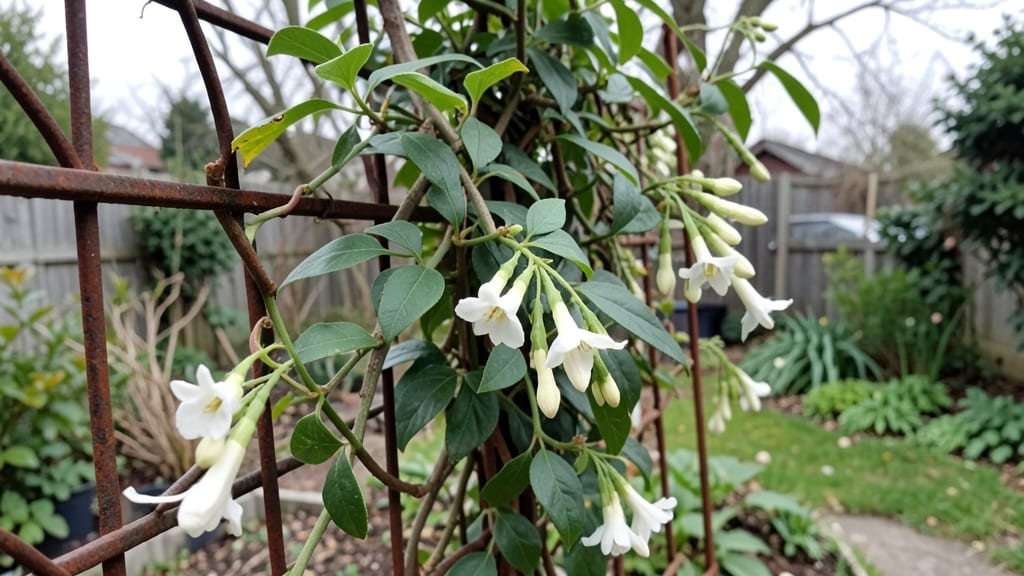
Pruning a jasmine flower tree unlocks its full potential for year-round fragrance and lush growth. 🌿 I've learned that the right cuts at the right time transform a scraggly bush into a fragrant, flower-covered treasure—my Arabian jasmine now smells like a Mediterranean evening every spring.
The key is understanding when to encourage new blooms and when to shape the plant for maximum fragrance impact.
You'll need sharp pruning shears, a ladder if your tree is tall, and a clear plan for when to prune—right after flowering is critical for most varieties. Star jasmine and Arabian jasmine respond best to light shaping cuts, while other types might need more aggressive trimming to maintain their form.
The goal is to remove dead wood, shape the canopy, and encourage air circulation without sacrificing next year's blooms.
What you'll get is a tree that fills your yard with intoxicating scent from late spring through fall, with some varieties even blooming lightly in winter. The flowers become denser, the fragrance stronger, and the overall shape more elegant.
Pruning also prevents overcrowding that leads to disease, so you're not just shaping—you're protecting your tree's health and productivity.
This works for both container-grown jasmine and in-ground plants, though larger varieties may need more frequent pruning. The same principles apply whether you're dealing with a small patio tree or a mature specimen in your backyard.
Let's get those shears ready and turn your jasmine into the most fragrant centerpiece of your outdoor space.
📚 In This Guide
- What you need
- Instructions
- Tips and common mistakes
- Wrapping up and next steps
What you need
- ● Pruning shears: Bypass pruners (for clean cuts on small branches; 4- to 6-inch blades recommended for precision). ✨ Pro tip: Sharpen blades before starting to avoid tearing!
- ● Loppers: For thicker branches (1- to 2-inch diameter); choose bypass-style for smoother cuts.
- ● Hand pruners: Anvil-style (for small, woody stems; 3-inch blade is ideal).
- ● Disposable gloves: Heavy-duty, chemical-resistant (to protect from sap and thorns).
- ● Rubbing alcohol (70%+) or pruning sealant: To disinfect tools between cuts and prevent disease spread.
- ● 5-gallon bucket or trash bag: For collecting pruned branches (keep them separate from yard waste if composting).
- ● Ladder (if needed): Lightweight, extendable (8- to 12-foot reach) with a stable platform for tall trees.
- ● Pruning saw: For stubborn, thick branches (1.5-inch diameter or larger).
- ● Hose or damp cloth: To wipe down tools and clean sap residue.
- ● Marking twine or tape: To flag branches for removal (great for complex pruning plans!).
- ● Mulch or compost: To refresh the base of the tree post-pruning (boosts recovery!).
- ● Safety goggles: If your jasmine has thorns or you’re working near power lines.
Step-by-step guide to pruning your jasmine flower tree
Here’s how to keep your jasmine blooming abundantly while shaping it into a fragrant, healthy specimen.
✂️ Step 1: Prune After the Final Bloom Cycle
Jasmine flowers on new wood, meaning the best time to prune is right after the last flush of blooms—typically in late spring or early summer. This encourages fresh growth that will bear next year’s flowers. Use clean, sharp pruners to make 45-degree cuts just above a leaf node or outward-facing bud. Avoid cutting into old wood (woody stems), as it won’t produce new blooms.
Start by removing any dead, diseased, or crossing branches—these compete for energy and disrupt airflow. Thin out overcrowded areas to improve sunlight penetration. If your jasmine is leggy, cut back the longest stems by one-third to promote bushier growth. Watch for sap bleeding—it’s normal but can attract pests, so wipe pruners with rubbing alcohol between cuts.
✂️ Step 2: Light Structural Pruning in Early Fall
In early fall, focus on light shaping rather than heavy pruning. Jasmine needs time to harden off before winter, so avoid drastic cuts. Remove any weak or spindly growth that developed over the summer, as these branches won’t survive cold snaps. Prune to open the canopy, allowing sunlight to reach the center where flowers often form.
Check for suckers (shoots growing from the base or along the trunk) and remove them completely. These divert energy from the main structure. If your jasmine is trained on a trellis or arbor, trim back overly vigorous lateral branches to maintain balance. Avoid pruning in late fall or winter, as new growth won’t harden before frost.
✂️ Step 3: Minimal Winter Pruning for Cold Climates
In USDA Zones 7 and below, wait until late winter or early spring (just before buds swell) for light pruning to remove frozen or damaged branches. Jasmine is semi-evergreen, so avoid heavy cuts—this stresses the plant before it’s ready to regrow. Focus only on dead wood or branches that broke under snow/ice. Use sterilized pruners to prevent bacterial infections.
If your jasmine is container-grown, prune lightly in mid-winter to encourage early spring growth. Water deeply before pruning to reduce shock. In warmer climates (Zones 8-10), skip winter pruning entirely—jasmine blooms year-round and benefits from minimal intervention during its dormant period.
🌿 Step 4: Post-Pruning Care for Vibrant Regrowth
After pruning, fertilize lightly with a balanced, slow-release fertilizer (10-10-10) to support new growth. Water deeply at the base to prevent stress, but avoid overwatering—jasmine roots rot easily in soggy soil. Mulch with 2-3 inches of organic mulch (like shredded bark) to retain moisture and regulate soil temperature.
Monitor for pests (aphids, spider mites) that thrive on stressed plants. Spray with neem oil if you spot sticky residue or discolored leaves. Place the pruned branches in a shady, dry spot for a few days to let cuts callus over before composting or disposing. You’ll see new shoots within 4-6 weeks—this is your signal the pruning worked.
Tips & tricks for perfect jasmine flower tree pruning
Here's what I've learned after years of shaping my own jasmine—these tricks will keep your plant thriving and fragrant for seasons to come.
The Timing Factor: Late spring/early summer pruning right after blooming is non-negotiable for jasmine. I've seen gardeners skip this and end up with sparse blooms the next year. The plant needs this recovery period to produce new growth that will flower. If you're in a warm climate, watch for your last bloom cycle—don't guess at calendar dates. A quick sniff test works: when you no longer smell jasmine blooms, it's time to prune.
Cutting Technique: Those 45-degree cuts aren't just decorative—they're essential. Make your cuts just above an outward-facing bud or leaf node to encourage growth in the direction you want. I always mark my cuts with a piece of chalk first to visualize the new growth pattern. And here's a pro move: after removing large branches, make a second cut about 1/4 inch from the first to prevent tearing. This keeps your cuts clean and reduces stress on the plant.
Sucker Management: Those little shoots growing from the base or trunk are energy vampires. I've seen jasmine plants completely overrun by suckers if left unchecked. Remove them completely at the base—don't just trim them back. These shoots will steal nutrients meant for your main structure and flowers. In Step 2, when you're checking for suckers, also look for any branches growing directly into the center of the plant. These need to go too—they create shade that prevents flowering.
Climate-Specific Care: In colder climates, that late winter/early spring pruning window is crucial. I've made the mistake of pruning too early in Zone 7, and my jasmine struggled to recover before spring. Wait until you see those first tiny buds swelling—this is nature's signal that the plant is ready. For container-grown jasmines, that mid-winter light pruning can give you an early spring bloom advantage, but only if your winters aren't harsh. In milder climates, less is definitely more—your jasmine will thank you with continuous blooming.
Pro Tips for Jasmine Flower Tree
- Here's what I've learned after years of shaping my own jasmine—these tricks will keep your plant thriving and fragrant for seasons to come.
- The Timing Factor: Late spring/early summer pruning right after blooming is non-negotiable for jasmine.
- Cutting Technique: Those 45-degree cuts aren't just decorative—they're essential.
Frequently asked questions
Got questions about keeping your jasmine flower tree thriving? Here are some of the most common ones—plus straightforward answers to help you prune like a pro!
When is the best time to prune a jasmine flower tree?
The ideal time to prune is late winter or early spring (before new growth starts) to encourage healthy blooms. For spring-blooming varieties, prune immediately after flowering. Avoid heavy pruning in fall, as it can stimulate tender new growth that may not survive winter. Light shaping can be done year-round!
How much can I trim back my jasmine tree without harming it?
You can safely remove up to one-third of the tree’s growth in a single session. For young trees, focus on shaping and removing dead or crossing branches. Mature trees may need gradual pruning over 2–3 years to avoid stress. Never trim more than 25% in one go—jasmine is resilient but not indestructible!
Why isn’t my jasmine tree flowering as much as it used to?
Over-pruning, poor nutrition, or lack of sunlight (jasmine needs 6+ hours daily) can reduce blooms. Try these fixes:
- Use a balanced fertilizer (10-10-10) in early spring.
- Prune to improve airflow and sunlight penetration.
- Check for pests like spider mites or aphids (spray with neem oil if needed).
Can I grow a jasmine tree in a container, and how do I prune it?
Dwarf varieties like Jasminum officinale ‘Revolutum’ thrive in containers. Prune container jasmines more aggressively (up to 30%) to control size and encourage bushiness. Use well-draining soil, and repot every 2–3 years. Winter care: Move indoors if temps drop below 20°F (-6°C).
What should I do if my jasmine tree’s leaves turn yellow or drop?
Yellowing leaves often signal overwatering, root rot, or nutrient deficiency. Check soil moisture—jasmine prefers it slightly dry between waterings. If roots smell rotten, trim affected areas and repot with fresh soil. For nutrient issues, apply iron chelate or compost. Pro tip: Avoid pruning stressed branches—wait until the tree recovers!
Are there jasmine varieties that bloom year-round?
While no jasmine blooms truly year-round, varieties like Arabian jasmine (Jasminum sambac) and Winter jasmine (Jasminum nudiflorum) offer near-continuous flowers with proper care. For best results, prune lightly after each bloom cycle to stimulate regrowth. Pair with regular feeding (every 6–8 weeks) for maximum fragrance!
Wrapping up and next steps
The jasmine flower tree isn’t just a stunning addition to your garden—it’s a year-round fragrant masterpiece, and with the right pruning techniques, you can keep its blooms thriving and its scent intoxicating! 🌸 Whether you’re trimming for shape, health, or abundance, remember that patience and consistency are key.
Start small, observe your tree’s growth, and soon you’ll be rewarded with lush foliage and intoxicating blooms.
Ready to take the next step? Grab your pruners, dust off your gardening gloves, and give your jasmine tree the care it deserves! 🌿 With each snip, you’re not just pruning—you’re crafting a fragrant haven that will make your garden the envy of the neighborhood.