
Blooming
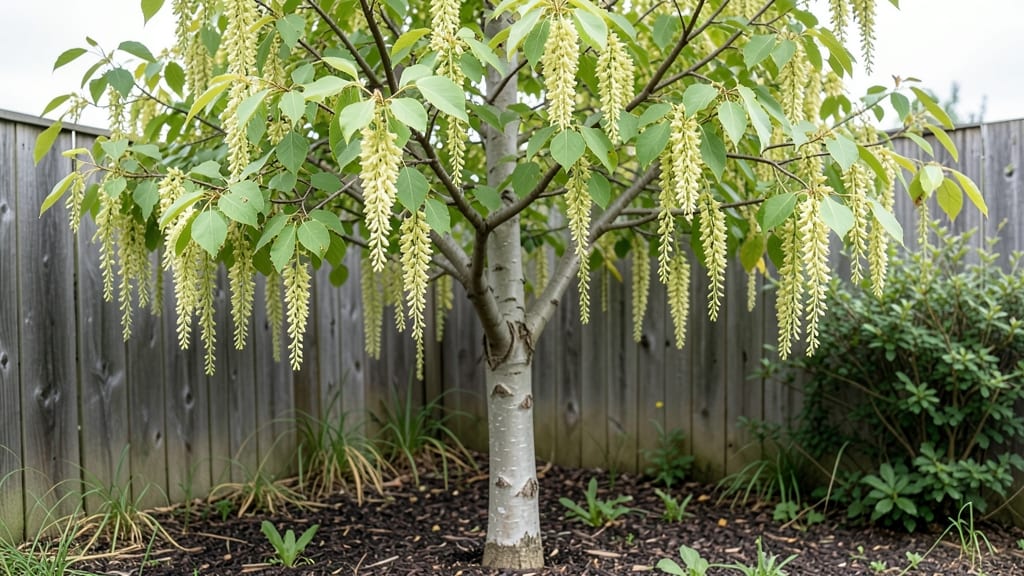
Growing lime blossom flowers from seed means waking up to your garden smelling like a tropical paradise. 🌿 I’ve learned that these delicate white blooms aren’t just beautiful—they’re the secret to sweet, fragrant limes too.
The key starts with warm soil and patience, because these citrus babies take time to reward you with their signature perfume.
You’ll need a sunny spot with at least 6 hours of direct light daily, well-draining soil, and a pot or ground space that mimics their tropical roots. Most gardeners overwater, so let the top inch dry between waterings—these plants hate soggy feet.
The real magic happens in spring when temperatures stay above 55°F, and you’ll see those first blossoms appear within 12-18 months from seed.
Once established, your lime tree will burst with highly fragrant white flowers that attract pollinators and eventually produce fruit. The blooms last just a few days but fill the air with a sweet citrus scent that lingers for hours.
Prune lightly after flowering to encourage bushier growth, and watch as your plant becomes the star of your garden.
Fair warning: these are frost-sensitive divas, so protect them in winter or grow them in containers for easy moving. But the payoff—those intoxicating blossoms and homegrown limes—makes every extra step worth it. Let’s get those seeds sprouting!
📚 In This Guide
- What you need
- Instructions
- Tips and common mistakes
- Wrapping up and next steps
What you need
- ● Lime blossom seeds or cuttings: Start with high-quality seeds (e.g., Citrus aurantifolia) or young cuttings from a healthy lime tree. (3-5 seeds or 1-2 cuttings for beginners.)
- ● Potting soil: Use a well-draining mix (e.g., 60% peat moss, 30% perlite, 10% sand). (1-2 gallons per pot.)
- ● Containers: 5-7 inch pots with drainage holes for seedlings; larger pots (10+ inches) for mature plants.
- ● Slow-release fertilizer: Citrus-specific fertilizer (e.g., 6-6-6 NPK ratio). (1 tbsp per pot, applied every 2-3 months.)
- ● Watering can with a fine rose: For gentle hydration without disturbing soil.
- ● Spray bottle: To mist seedlings and maintain humidity.
- ● Pruning shears: Sharp, sterilized shears for trimming dead leaves or shaping the plant.
- ○ Grow lights (optional): LED grow bulbs for indoor seedlings (12-16 hours/day).
- ● Humidity dome or plastic wrap: To create a greenhouse effect for seedlings.
- ○ Epsom salt (optional): Magnesium sulfate for yellowing leaves (1 tsp per gallon of water, monthly.).
- ○ Mulch (optional): Organic mulch (e.g., straw) to retain moisture and suppress weeds.
Step-by-step instructions for cultivating lime blossom flowers
Here's the foolproof method I've used to coax fragrant lime blossoms from seed, with tips to ensure strong growth and spectacular blooms.
🌱 Step 1: Start Seeds Indoors for Early Growth
Lime blossom seeds need warmth to germinate, so begin indoors 8-10 weeks before your last frost date. Fill 4-inch seedling pots with the sterile seed-starting mix (never garden soil—it's too dense and may harbor pathogens). Moisten the mix until it feels like a damp sponge when squeezed, but no water should drip out.
Plant 2-3 seeds per pot at a depth of ¼ inch, which is roughly the width of a pencil eraser. Press them gently into the soil so they make good contact but don't bury them deeper—this delays germination as the seedlings struggle to reach light. Cover the pots with a clear plastic dome or wrap them in plastic wrap to retain humidity and warmth.
☀️ Step 2: Provide Warmth and Light for Germination
Place the pots in a warm spot where the soil stays between 75-85°F—a seedling heat mat works wonders here. Without consistent warmth, germination can take 3-4 weeks instead of the usual 10-14 days. Keep the soil consistently moist by misting lightly every 2-3 days—never let it dry out completely, but avoid soggy conditions, which invite damping-off disease.
Once the first true leaves (not the initial seed leaves) appear, remove the plastic cover immediately. This prevents fungal growth and encourages sturdy stems. Move the seedlings under a grow light positioned 2-3 inches above them, providing 14-16 hours of light daily. Without enough light, seedlings stretch weakly toward the window, a condition called "legginess," which they never fully recover from.
🪴 Step 3: Transplant Seedlings to Larger Pots
When seedlings reach 4-6 inches tall with 4-5 true leaves, it's time to transplant them into 6-inch pots filled with the well-draining potting mix. Gently remove each seedling, keeping the root ball intact, and place it in the center of the new pot. Fill the remaining space with the potting mix, pressing lightly to eliminate air pockets but not compacting the soil.
Water deeply after transplanting to help the roots settle into their new home. Place the pots in a location with bright, indirect light for the first week to reduce stress. After that, gradually introduce them to morning sun, increasing exposure by 1 hour daily until they can handle full sun by midday. This hardening-off process prevents shock and ensures they thrive once outdoors.
✂️ Step 4: Prune and Fertilize for Abundant Blooms
Once your lime blossom plants are established in their 6-inch pots, pinch back the tips of new growth when they reach 6 inches tall. This encourages bushier growth and more blooms later. Use balanced liquid fertilizer (10-10-10) every 4-6 weeks during the growing season, but reduce fertilization in fall to prepare the plant for dormancy.
Watch for white, fragrant flowers to appear in spring, typically 12-18 months after planting. To prolong blooming, deadhead spent flowers by snipping them off just above a leaf node. This redirects the plant's energy into producing more blossoms instead of seed pods. Keep the soil consistently moist but never waterlogged—lime blossoms are drought-tolerant once established, but they reward consistent care with lush, fragrant blooms.
🌿 Step 5: Overwinter and Encourage Repeat Blooms
In fall, reduce watering and stop fertilizing entirely. Move the pots to a cool, bright location (around 50-60°F) where they can rest through winter. Prune back any dead or yellowing leaves to keep the plant healthy. In early spring, resume watering and fertilizing to stimulate new growth and another round of fragrant blossoms.
Lime blossoms thrive in USDA Hardiness Zones 9-11, but if you live in a colder climate, keep them in pots and bring them indoors before frost. With proper care, your lime blossom plants will reward you with years of fragrant, showstopping flowers, making your garden a sensory delight.
Tips & tricks for perfect lime blossom cultivation
Between us, these little details make the difference between fragrant blooms and frustrated gardeners. I've learned these the hard way after watching seedling pots go south—don't let that happen to you.
Temperature Precision: That 75-85°F range for germination isn't just a suggestion—it's non-negotiable. I use a seedling heat mat set to 80°F and monitor with a soil thermometer. If your kitchen dips below 70°F, germination can stretch to 3-4 weeks instead of the ideal 10-14 days. Pro tip: Place pots on top of your refrigerator during the day for that extra warmth boost.
Lighting Strategy: The 14-16 hours of light during germination is critical for preventing leggy seedlings. I've ruined batches by leaving them under fluorescent shop lights that only ran 12 hours. Invest in a full-spectrum LED grow light—position it just 2-3 inches above the seedlings and keep it on a timer. Watch for that "legginess" (long, weak stems reaching for light) and adjust immediately if you see it.
Transplanting Timing: Don't rush the transplant to 6-inch pots! Wait until you see 4-5 true leaves and stems that are sturdy enough to support themselves. I've made the mistake of transplanting too early, which stresses the delicate roots. When you do transplant, water deeply right after to help roots establish in their new home—this is when most seedlings either thrive or fail.
Fertilizer Schedule: That 4-6 week fertilizer interval is perfect, but timing matters. Always fertilize in the morning so the nutrients have time to absorb before evening. I've seen plants burn when fertilized late in the day. Also, reduce to every 8-10 weeks in late summer to prepare for dormancy—this prevents that sudden flush of weak growth before winter.
Pro Tips for Lime Blossom Flower
- Between us, these little details make the difference between fragrant blooms and frustrated gardeners.
- Temperature Precision: That 75-85°F range for germination isn't just a suggestion—it's non-negotiable.
- Lighting Strategy: The 14-16 hours of light during germination is critical for preventing leggy seedlings.
Frequently asked questions
Got questions about growing lime blossom flowers? You’re not alone! Here are some of the most common queries—and their answers—to help you cultivate fragrant success.
When is the best time to plant lime blossom seeds?
For optimal germination, sow seeds in early spring (after the last frost) or in late summer for a fall-to-winter bloom. Lime blossoms thrive in warm climates (USDA Zones 9-11) but can be started indoors 8-10 weeks before the last frost if you live in cooler areas. Just ensure soil temps stay above 60°F (15°C) for best results!
How long does it take for lime blossom flowers to bloom?
Patience is key! From seed, expect 1-2 years for your first blooms, while established plants may flower within 6-12 months under ideal conditions. Young plants focus on root and foliage growth first—provide bright, indirect light and well-draining soil to speed things along.
Can I grow lime blossom flowers in containers?
Use a 12-18 inch pot with drainage holes and a lightweight potting mix (add perlite for aeration). Choose a container with a wide diameter to accommodate their sprawling habit. Just keep them near a sunny window or balcony (6+ hours of light daily) and water when the top inch of soil feels dry.
Why aren’t my lime blossom flowers fragrant?
Fragrance fades if plants are stressed—check for these issues:
- Poor pollination: Hand-pollinate with a soft brush if bees are scarce.
- Over-fertilizing: Too much nitrogen = lush leaves, fewer blooms. Use a balanced 10-10-10 fertilizer sparingly.
- Low light: Move plants to a sunnier spot (lime blossoms need full sun).
Are lime blossom flowers edible? Can I use them in cooking?
Yes! While the flowers are edible (use sparingly—they’re bitter), they’re best for garnishes, teas, or lime blossom honey. Avoid the leaves and stems (they contain limonin, a bitter compound). Harvest blooms in the morning for peak flavor and pair with citrus desserts or tropical cocktails for a floral twist!
Wrapping up and next steps
The lime blossom flower is a fragrant, rewarding addition to any garden—whether you’re drawn to its citrusy scent, delicate blooms, or the joy of nurturing a plant from seed. With the right care, patience, and a little creativity, you’ll soon be basking in the beauty of its showstopping flowers. 🌸
Now that you’re armed with the knowledge to grow your own, why not take the next step? Plant your seeds today, share your progress with fellow gardeners, or experiment with creative uses for lime blossoms—like teas, perfumes, or stunning floral arrangements! Your garden (and senses) will thank you.