
Lawn
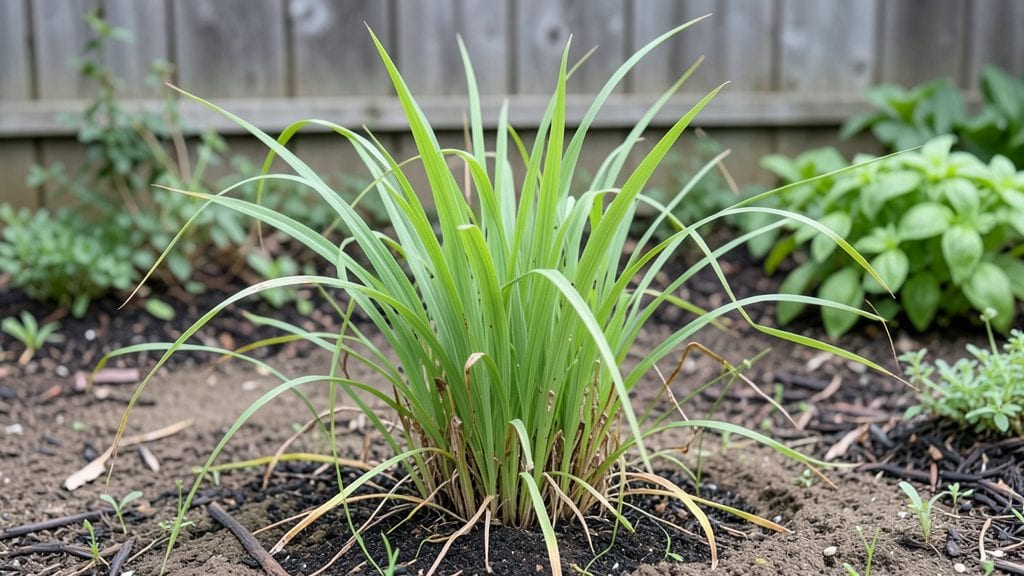
There’s nothing like watching the delicate citronella grass flower sway in the breeze while its fragrant stems work their magic—keeping mosquitoes away all summer long. 🌿 The key isn’t chasing flashy blooms (those tiny flowers are barely noticeable), but nurturing the fragrant foliage that makes this perennial a powerhouse in sunny spots.
You’ll need full sun, well-draining soil, and patience—citronella thrives in heat but hates soggy roots. Start with nursery plants or seeds in spring after frost, and give them space to spread. Within a few months, you’ll have lush clumps that smell like a tropical breeze, not just a garden.
The oil content peaks mid-summer, so timing matters if you’re harvesting for candles or sprays.
By late summer, your citronella will be so vigorous it’ll outcompete weeds and mosquitoes alike. The best part? It’s a perennial, so once established, it comes back year after year—no replanting, just more natural protection. Just avoid heavy pruning before winter, or you might lose next season’s growth.
For maximum impact, plant in clusters near seating areas or along pathways. It’s not just a plant; it’s a living bug repellent that smells amazing while doing its job. Ready to turn your yard into a mosquito-free zone?
📚 In This Guide
- What you need
- Instructions
- Tips and common mistakes
- Wrapping up and next steps
What you need
- ● Citronella grass seeds or cuttings: Choose Cymbopogon nardus (Java citronella) or Cymbopogon winterianus (Maha pengiri). Start with 3–5 plants for a small garden or 10+ plants for a larger mosquito-repelling area.
- ● Well-draining potting mix or garden soil: A blend of 60% topsoil, 30% compost, and 10% perlite/sand works best. Citronella hates soggy roots!
- ○ Containers (optional for pots): Use 5–7 gallon pots with drainage holes if growing in containers. Terracotta or fabric pots are ideal.
- ● Slow-release fertilizer (10-10-10 or 5-5-5): Apply 1–2 tbsp per plant at planting and again mid-season.
- ● Mulch (straw or wood chips): Spread a 2–3 inch layer around the base to retain moisture and suppress weeds.
- ● Garden trowel or transplanting spade (for digging holes 6–8 inches deep and 12–18 inches apart).
- ● Watering can or hose with a gentle spray nozzle (citronella prefers consistent moisture but hates waterlogging).
- ● Pruning shears (to trim dead leaves or harvest stems for essential oils).
- ○ Gloves (optional)—citronella’s sharp blades can be prickly!
- ● Full sun (6+ hours daily)—citronella thrives in USDA Zones 9–11. In cooler climates, grow in containers and bring indoors in winter.
- ● Warm soil (60°F+)—direct sow seeds only after the last frost or start indoors 8–10 weeks early.
- ● Patience! Seeds take 10–20 days to germinate, while cuttings root in 2–4 weeks.
Step-by-Step instructions for planting and cultivating citronella grass
Here's how to grow this fragrant, mosquito-repelling perennial that thrives in sunny spots.
🌱 Step 1: Choose the Right Location and Prepare the Soil
Citronella grass loves full sun—at least 6-8 hours daily—so pick a spot that gets plenty of warmth. I always test the soil first by digging a 6-inch hole; if it feels compacted or clay-heavy, mix in 2-3 inches of compost to improve drainage. Citronella roots need loose, well-draining soil to prevent rot.
This plant tolerates poor soil better than soggy soil, so if your garden drains poorly, consider planting in a raised bed or container. The ideal soil pH is slightly acidic to neutral, around 6.0-7.0. You'll know it's ready when the soil crumbles easily between your fingers without sticking.
🪴 Step 2: Plant Citronella Grass at the Right Depth and Spacing
For each plant, dig a hole twice as wide as the root ball but only as deep as the container it came in. Gently loosen the roots if they're circling and place the plant so the top of the root ball sits 1 inch below soil level. This helps prevent stem rot later.
Space plants 2-3 feet apart—they grow into clumps and need room to spread. I like to plant them in clusters of 3-4 around patios or near seating areas for maximum mosquito-repelling power. Backfill the hole with soil and press gently around the base to remove air pockets.
💧 Step 3: Water Deeply and Establish a Consistent Routine
Water deeply right after planting to settle the soil and encourage root growth. Citronella grass is drought-tolerant once established, but young plants need 1 inch of water weekly. You'll know it's time to water when the top 2 inches of soil feel dry to the touch.
Water at the base in the morning to reduce evaporation and fungal risks. Avoid overhead watering, which can cause leaf spot diseases. Mulch around the base with 2-3 inches of organic mulch to retain moisture and keep roots cool in summer.
☀️ Step 4: Maintain with Minimal Pruning and Fertilizing
Citronella grass grows best with minimal intervention. Cut back dead or yellowing leaves in early spring to encourage new growth. I also trim any flowering stalks that appear—while they're pretty, removing them redirects energy to leaf production, which is where the mosquito-repelling oils live.
Fertilize lightly in spring with a balanced 10-10-10 fertilizer or compost tea. Too much nitrogen makes the plant grow fast but weakens its natural pest-repelling properties. You'll see healthy, vibrant growth when leaves are deep green and upright.
✂️ Step 5: Divide and Propagate Every 2-3 Years
Citronella grass spreads slowly but benefits from division every 2-3 years to keep it vigorous. In early spring, dig up the entire clump and separate it into smaller sections with a sharp knife. Each section should have 3-4 healthy stems.
Replant the divisions immediately in prepared soil and water well. This is also a great way to share plants with friends—just remind them to plant in full sun! You'll know the divisions are thriving when new growth appears within 2-3 weeks.
Tips & tricks for perfect citronella grass cultivation
Here's what I've learned from growing this fragrant perennial that keeps mosquitoes at bay.
Sunlight Secret: The 6-8 hours of full sun in Step 1 are non-negotiable for strong mosquito-repelling oils. I've found that southern exposures get the most consistent sunlight, especially in cooler climates. If your garden doesn't get full sun, consider using grow lights for 4-6 hours daily during the plant's early growth stages.
Soil Test Tip: Before amending your soil with 2-3 inches of compost as mentioned in Step 1, grab a handful of soil and squeeze it. If it stays in a tight ball when wet, you definitely need that compost to improve drainage. I also test pH using a simple kit—citronella thrives when the soil crumbles easily between your fingers without sticking.
Planting Depth Strategy: When placing your plant so the top of the root ball sits 1 inch below soil level in Step 2, use a small stick or marker to track this depth. This subtle difference prevents stem rot while keeping roots properly anchored. I've seen many gardeners plant too shallow, which leads to floppy stems that struggle to stand upright.
Watering Wisdom: The 1 inch of weekly watering in Step 3 works best when delivered all at once rather than little by little. This encourages deep root growth. I use a rain gauge to measure exactly 1 inch, and always water in the morning to prevent fungal issues. The mulch layer helps maintain this moisture level while keeping roots cool—just make sure it doesn't touch the stems.
Pro Tips for Citronella Grass Flower
- Here's what I've learned from growing this fragrant perennial that keeps mosquitoes at bay.
- Sunlight Secret: The 6-8 hours of full sun in Step 1 are non-negotiable for strong mosquito-repelling oils.
- Soil Test Tip: Before amending your soil with 2-3 inches of compost as mentioned in Step 1, grab a handful of soil and squeeze it.
Frequently asked questions
Can I grow citronella grass flowers from seed, or should I start with plants?
While citronella grass flowers can be grown from seed, it’s often easier (and faster!) to start with nursery plants. Seeds take 6–12 months to mature, while transplants yield fragrant foliage in 3–4 months. If you’re patient, seeds are budget-friendly—but beginners may prefer the reliability of young plants.
How long does it take for citronella grass to bloom and repel mosquitoes?
Citronella grass typically doesn’t produce showy flowers like its ornamental relatives—its star power is the lemony-scented foliage! You’ll smell the repellent effect within 2–3 months of planting, but full mosquito-deterring strength peaks at 6 months. For flowers, some varieties (like Cymbopogon nardus) may develop tiny, grass-like spikes, but they’re not the focus.
Is citronella grass hardy in cold climates, or do I need to overwinter it?
Citronella grass is tender and frost-sensitive—it thrives in USDA Zones 9–11 year-round. In colder zones (8 or below), treat it as an annual or overwinter by:
- Potting it before frost and moving indoors near a sunny window.
- Mulching heavily in containers or beds (use straw or burlap).
- Starting fresh each spring from cuttings or seeds.
What’s a good alternative if citronella grass won’t grow in my garden?
If your climate or soil isn’t ideal, try these mosquito-repelling plants that double as garden stars:
- Lemongrass (closer relative, edible, and hardy to Zone 8).
- Marigolds (bright flowers + natural pyrethrin).
- Basil, Rosemary, or Lavender (herbs that deter pests).
- Bee Balm (attracts beneficial predators like ladybugs).
Why aren’t mosquitoes being repelled by my citronella grass?
If your citronella isn’t working, check these fixes:
Issue
Solution
Young plants (<3 months old)
Wait until foliage is mature and bushy—more oil = stronger scent.
Not enough sun
Move to full sun (6+ hours/day)—citronella needs light to produce oils.
Over/under-watering
Keep soil moist but not soggy—stress reduces oil production.
Fertilizer imbalance
Use a light, balanced fertilizer (10-10-10) in spring—too much nitrogen = leafy, weak scent.
Wrapping up and next steps
Growing citronella grass flowers is a rewarding way to add natural beauty and pest-repelling power to your garden—without the need for harsh chemicals! 🌿 With the right soil, sunlight, and care, these fragrant perennials thrive while keeping mosquitoes at bay.
Whether you’re a seasoned gardener or just starting out, this easy-to-follow guide makes it simple to cultivate a lush, mosquito-free oasis.
Ready to take the next step? Plant your first batch this season and enjoy the sweet scent and satisfaction of a thriving garden. Happy growing! 🌸