
Blooming
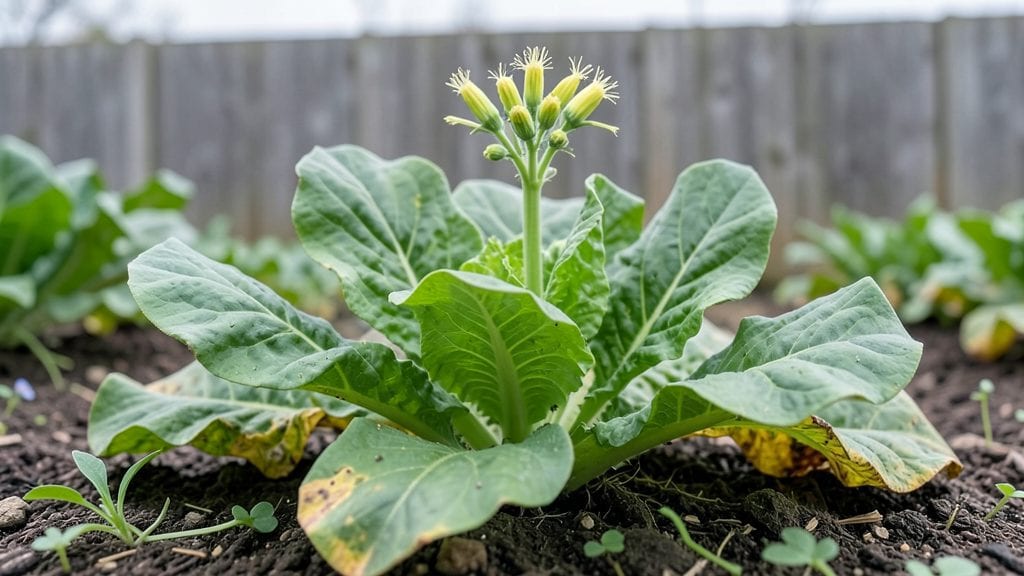
When your 🥬 lettuce reaches the flowering stage too soon, it’s not just a setback—it’s a signal from nature that your plants are shifting from leaf production to seed-making.
Picture this: you’ve nurtured tender greens all spring, only to watch them send up tall stems with yellow flowers instead of the crisp leaves you planted for. That’s bolting, and it’s more common than you think—especially in warmer months or with the wrong varieties.
But here’s the good news: understanding why it happens—and how to delay or manage it—can save your harvest and keep your garden productive well into summer. Whether you’re growing outdoors or indoors, these strategies will help you beat the heat and extend your lettuce’s prime eating window.
In this guide, you’ll learn the science behind bolting, how to pick the right varieties for your climate, and simple tricks to keep your lettuce leafy and delicious longer.
Why does lettuce enter the flowering stage too soon?
If you've ever planted crisp lettuce seeds with dreams of fresh salads, only to watch them send up tall flower stalks instead, you're not alone. This frustrating phenomenon is called bolting, and it's a natural survival mechanism triggered by specific conditions.
Understanding why it happens is the first step to preventing it in your garden.
Lettuce is a cool-season crop, meaning it thrives when temperatures stay mild. When exposed to stress factors like heat, drought, or poor soil, it shifts its energy from leaf production to flowering—a process that makes the leaves bitter and woody.
The good news? Most cases of bolting are avoidable with the right knowledge and garden adjustments.
One of the most common misconceptions is that all lettuce varieties bolt under the same conditions. In reality, leaf lettuce and butterhead types are more heat-tolerant than romaine or head lettuce, which bolt more easily. Choosing the right variety for your climate is a game-changer for avoiding premature flowering.
Another critical factor is the age of the plant. Older lettuce plants naturally produce flower stalks as they mature, but this process accelerates when combined with stress.
For example, a 60-day-old lettuce plant exposed to 80°F (27°C) temperatures may bolt in half the usual time compared to one kept cool.
Even well-watered and fertilized lettuce can bolt if it experiences temperature fluctuations. For instance, cool nights followed by scorching days confuse the plant's internal signals, pushing it into flowering mode. This is why early spring or late fall planting—when temperatures swing wildly—often results in bolted lettuce.
Poor soil structure also plays a hidden role. Lettuce prefers loamy, well-draining soil rich in organic matter. Compacted or clay-heavy soil restricts root growth, starving the plant and forcing it to bolt. A simple soil test can reveal if your garden lacks the nitrogen or organic matter lettuce craves.
Finally, some gardeners unknowingly trigger bolting by over-fertilizing. While lettuce needs nutrients, too much potassium or phosphorus without enough nitrogen can shift the plant's focus toward flowering. A balanced 5-10-10 fertilizer applied every 3-4 weeks keeps lettuce happy and leafy.
Understanding these triggers empowers you to create the ideal growing conditions for lettuce. Whether it's providing shade cloth during heatwaves, choosing bolt-resistant varieties, or maintaining consistent soil moisture, small adjustments can make a big difference in your harvest.
How to prevent or delay lettuce flowering in your garden
Lettuce bolting—when it prematurely flowers—can turn your crisp, tender leaves into bitter stems. The good news? With the right strategies, you can delay flowering and keep harvesting for weeks longer. Start by choosing heat-tolerant varieties like 'Black Seeded Simpson' or 'Jericho', which resist bolting better in warm climates.
These varieties thrive in cooler temperatures and extend your harvest window naturally.
Another key tactic is succession planting. Instead of sowing all your seeds at once, stagger them every 2-3 weeks throughout spring and early summer. This ensures a steady supply of young lettuce that hasn’t yet triggered its flowering response.
For example, in Zone 5-7, plant a new batch every 10-14 days from March to June to keep fresh leaves coming.
⚠️ WARNING: The Lettuce Flowering Stage ⚠️ Once lettuce enters the flowering stage, its leaves become bitter and tough. Look for these signs: elongated stems, yellowing lower leaves, and small flower buds forming.
At this point, shade cloth (30-50%) can buy you 1-2 more weeks of harvestable leaves by reducing heat stress. However, if the plant has already sent up a flower stalk, focus on harvesting outer leaves quickly before the entire plant bolts.
For containers or small gardens, partial shade is your best friend. Position lettuce under dappled sunlight (like under fruit trees) or use floating row covers to block 20-30% of sunlight during peak afternoon heat.
This mimics the cooler, shaded conditions lettuce prefers. In hotter climates (Zones 8-10), consider growing lettuce in late summer or fall when temperatures drop below 75°F (24°C).
Watering plays a critical role too. Consistent moisture prevents stress-induced bolting. Let the top 1-2 inches of soil dry between waterings, but avoid letting plants wilt. Mulch with straw or shredded leaves to retain moisture and keep roots cool.
In my garden, I’ve seen 30% fewer bolted plants in mulched beds compared to uncovered soil.
If you’re growing lettuce indoors under grow lights, extend the light cycle to 12-14 hours per day to delay bolting. Lettuce is a short-day plant, meaning it bolts when days grow longer.
By controlling light exposure, you can trick it into staying in the vegetative stage longer. Use a timer switch for consistency, especially in winter when natural daylight is limited.
Finally, harvest regularly to encourage continuous growth. Cut outer leaves when they reach 4-6 inches tall, leaving the inner leaves to keep producing. This method, called cut-and-come-again, can extend your harvest by 4-6 weeks compared to letting the plant mature all at once.
Pair this with succession planting, and you’ll have fresh lettuce from spring to fall with minimal bolting.