
Size
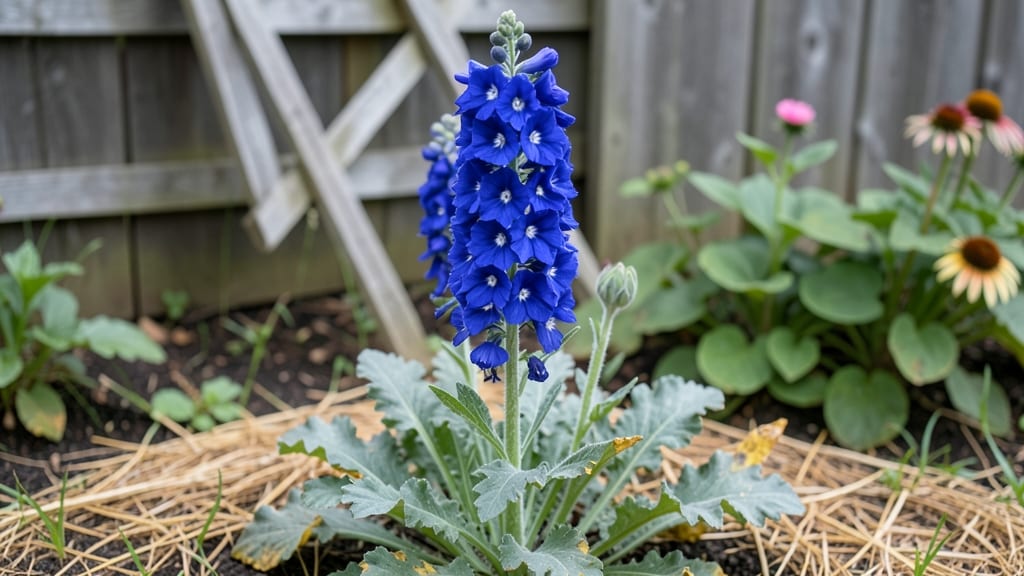
Designing a tall flower bed that reaches for the sky transforms any garden into a living sculpture. 🌿 I’ve watched my own vertical garden go from a patchy mess to a year-round showstopper by stacking plants strategically—grasses at the back, perennials in the middle, and climbers spilling over the edges.
The key isn’t just height; it’s layers that keep the drama going from spring’s first blooms to winter’s frosted seed heads.
Start with the foundation: soil that drains well but holds moisture, mixed with compost for hungry roots. Most tall beds need 12–18 inches of depth to support deep-rooted perennials like coneflowers or Russian sage.
Then, play with textures—feathery grasses like Miscanthus for movement, bold foliage like hostas for structure, and climbers like clematis or morning glories to add that "wow" factor. Sunlight matters too: full sun for most tall perennials, but shade-tolerant options like astilbe or heuchera work beautifully in dappled light.
By summer, you’ll have a garden that feels like a secret garden—6 feet tall and bursting with color at every height. The back row stays lush while the front spills over edges, creating movement that catches the eye.
Maintenance is simple: trim back grasses in early spring, deadhead spent blooms, and add mulch to keep roots cool. Even in winter, the structure remains, just dressed in frost-kissed seed pods and bare stems that add their own quiet beauty.
Whether you’re going for cottage charm, modern minimalism, or a wildlife magnet, the same principles apply. The tallest beds I’ve seen combine three height layers—tall, medium, and spiller—while keeping the soil healthy and the watering consistent.
Start small if you’re unsure, and watch how your garden grows into something truly impressive.
📚 In This Guide
- What you need
- Instructions
- Tips and common mistakes
- Wrapping up and next steps
What you need
- ● Wood or metal framing: Pressure-treated lumber (2x4s or 4x4s) or galvanized metal pipes (4–6 ft tall, depending on design). Pro tip: For extra durability, opt for cedar or redwood! 🌲
- ● Hardware: Galvanized screws or nails (2–2.5" long, 100+ pieces)
- ● Corner brackets or L-brackets (4–6 pieces, depending on size)
- ● Staple gun + staples (for securing landscape fabric)
- ● Landscape fabric: 3–4 ft wide, enough to line the base and sides (cut to fit snugly).
- ● Soil & amendments: High-quality potting mix or garden soil (2–3 cubic feet, depending on bed depth)
- ● Perlite or vermiculite (1–2 bags, for drainage)
- ● Compost or worm castings (1–2 bags, for nutrients)
- ● Drainage layer: Gravel or crushed stone (1–2 inches thick, covers entire base).
- ● Mulch: Shredded bark, pine straw, or cocoa hulls (1–2 bags, for moisture retention).
- ● Decorative elements: Paint or stain (for wood framing)
- ● Metal edging or lattice panels (for a polished look)
- ● Solar-powered lights (to highlight your vertical garden at night!)
- ● Planting upgrades: Slow-release fertilizer (for long-lasting blooms)
- ● Self-watering reservoir (to reduce maintenance)
- ● Tall, dramatic plants: Delphiniums, hollyhocks, cannas, or ornamental grasses (check height/width specs!).
- ● Safety gear: Work gloves, safety glasses, and a dust mask (for handling gravel/soil).
- ● A level area (or a spot where you can create one with gravel or pavers).
- ● Basic measuring and cutting tools (tape measure, saw, or miter box).
- ● Access to water (for mixing soil and initial watering).
- ● Sunlight analysis: Know your space’s light conditions (full sun, partial shade, or full shade) to pick the right plants! ☀️🌑
How to build a stunning tall flower bed that stays dramatic all season
This design creates layers of height and texture—no green thumb required. We'll use proven plant pairings for year-round visual impact.
🪴 Step 1: Plan Your Vertical Structure and Layout
Sketch your bed dimensions first. For a 4-foot-tall design, I recommend a 3-foot-wide base to prevent top-heavy tipping. Use 2x4 lumber for the frame—cut two 4-foot vertical supports and two 3-foot horizontal supports. Assemble with galvanized screws at each corner for stability.
Here's the thing—place your tallest plants (6-8 feet) at the back center, medium-height (3-5 feet) in the middle, and shorter fillers (1-2 feet) at the front edges. This creates natural balance. For example, I always put sunflowers or hollyhocks at the back, delphiniums in the middle, and salvia or catmint at the front.
🌱 Step 2: Prepare the Base and Soil Mix
Dig the planting area to a depth of 12 inches—this gives roots room to establish deep. Mix 3 cubic feet of garden soil with 1 cubic foot of compost and 1 cubic foot of perlite for drainage. The perlite keeps roots from sitting in soggy soil, which is critical for tall plants that can topple in storms.
Spread 2 inches of landscape fabric over the base before adding soil. This prevents weeds from competing for nutrients. I like to fold the edges up the sides of the frame—it keeps the fabric contained and makes future weeding easier. Water the mix thoroughly before planting to settle everything.
☀️ Step 3: Plant in Layers for Maximum Impact
Start with your back-row plants—these need the most space. Dig holes twice as wide as the root ball and same depth. For example, a 5-gallon sunflower gets a 12-inch-wide hole. Space plants 18-24 inches apart to allow airflow and prevent disease. You'll see the difference in healthy growth compared to crowded beds.
Add middle-height plants next, placing them 12-18 inches in front of the back row. These should slightly overlap the back plants when mature. For the front row, use spreading plants like salvia or coreopsis—they cascade over the edges beautifully. Water each plant deeply after setting it in the hole.
💧 Step 4: Mulch and Water for Long-Term Success
Spread 3 inches of mulch over the entire bed, keeping it 3 inches away from plant stems to prevent rot. I use shredded bark because it breaks down slowly and improves soil over time. This layer also suppresses weeds and retains moisture—critical for tall plants that can't compete in dry soil.
Water deeply once a week during the first month to encourage deep root growth. You'll know it's enough when water drains 6 inches down into the soil. After that, water every 5-7 days unless you get 1 inch of rain. Tall plants need consistent moisture, but soggy soil invites root rot.
✂️ Step 5: Maintain Height and Shape Through the Seasons
Deadhead spent blooms regularly—this encourages more flowers and prevents seed heads from weighing down stems. I do this every 2 weeks during peak bloom. For leggy plants, pinch back the tips to promote bushier growth. You'll see a fuller, more compact plant within 3-4 weeks of pruning.
In late fall, cut back woody stems to 6 inches tall and remove any dead foliage. This keeps the bed looking tidy and prevents pests from overwintering. I always leave perennial plants until spring—they'll regrow from their roots, and you'll have color earlier in the season.
Tips & tricks for perfect tall flower bed design
Creating a stunning vertical flower bed takes a little strategy—here's how to make it stand out all season without the guesswork.
Stability is Key: Don't skip the 3-foot-wide base for your 4-foot-tall design. I learned this the hard way after watching a windstorm topple my first attempt! The wider base distributes weight and prevents that top-heavy feeling. For extra security, consider adding diagonal braces between your vertical supports if you're in a windy area.
Soil Mix Matters: The 3:1:1 ratio of garden soil, compost, and perlite is non-negotiable for tall plants. I've seen beautiful beds fail because the soil was too dense—roots can't establish properly, and plants become unstable. If your garden soil is naturally heavy clay, add an extra ½ cubic foot of perlite to improve drainage. Trust me on this!
Plant Placement Secrets: When arranging your 6-8 foot back-row plants, position them slightly off-center to create visual interest. The 18-24 inch spacing isn't just about airflow—it's about creating that "wow" factor when viewed from different angles. I always stagger my sunflowers and hollyhocks in a slight diagonal pattern for maximum impact.
Mulch Like a Pro: That 3-inch layer of shredded bark isn't just decoration—it's your secret weapon against weeds and moisture loss. I like to add a ½-inch layer of coarse sand between the mulch and soil to prevent the mulch from compacting over time. This keeps your bed looking fresh all season long.
Pro Tips for Tall Flower Bed
- Creating a stunning vertical flower bed takes a little strategy—here's how to make it stand out all season without the guesswork.
- Stability is Key: Don't skip the 3-foot-wide base for your 4-foot-tall design.
- Soil Mix Matters: The 3:1:1 ratio of garden soil, compost, and perlite is non-negotiable for tall plants.
Frequently asked questions
Got questions about creating a stunning tall flower bed?
You’re not alone! Here are answers to the most common concerns to help you design with confidence.
What’s the best height for a tall flower bed?
Aim for 3 to 5 feet tall for drama and visibility. This height works well for privacy screens, focal points, or layered planting. If you’re on a budget or short on space, 2 to 3 feet still delivers impact while being easier to maintain.
When is the best time to plant a tall flower bed?
For perennials and shrubs, plant in early spring or fall when soil is workable but not frozen. Annuals can go in after the last frost, while bulbs (like daffodils) thrive when planted in fall. Avoid extreme heat or cold—root systems need time to establish!
Are there affordable alternatives to expensive materials?
Skip pricey stone or brick by using:
- Recycled materials (cinder blocks, pallets, or old bricks)
- Natural wood (cedar or redwood lasts longer than pine)
- DIY metal frames (galvanized steel or reclaimed pipes)
- Living walls with vines (like clematis or ivy) for a green border
How do I keep pests away from my tall flower bed?
Pests love tall beds too! Prevent issues with:
- Healthy soil (rich in compost reduces weak plants)
- Deterrents like marigolds (repel aphids) or garlic spray
- Regular pruning to improve airflow and spot problems early
- Beneficial insects (ladybugs, lacewings) for organic pest control
Can I plant a tall flower bed in full sun or shade?
It depends on your plants! For full sun (6+ hours/day), choose:
- Coneflowers, black-eyed Susans, or lavender
- Drought-tolerant shrubs like butterfly bush
Wrapping up and next steps
Creating a tall flower bed is more than just a design choice—it’s a way to transform your space into a lush, vertical masterpiece that thrives year-round! 🌿 Whether you’re maximizing small spaces or adding drama to your garden, the key is layering plants by height, choosing sturdy materials, and embracing seasonal variety.
With the right prep and a little creativity, your vision will bloom into something truly stunning.
Now that you’re armed with tips and answers, take the next step—sketch your design, gather your supplies, and start planting! Every shovel of soil brings you closer to a garden that turns heads and fills your heart. Happy gardening! 🌸