
Trees
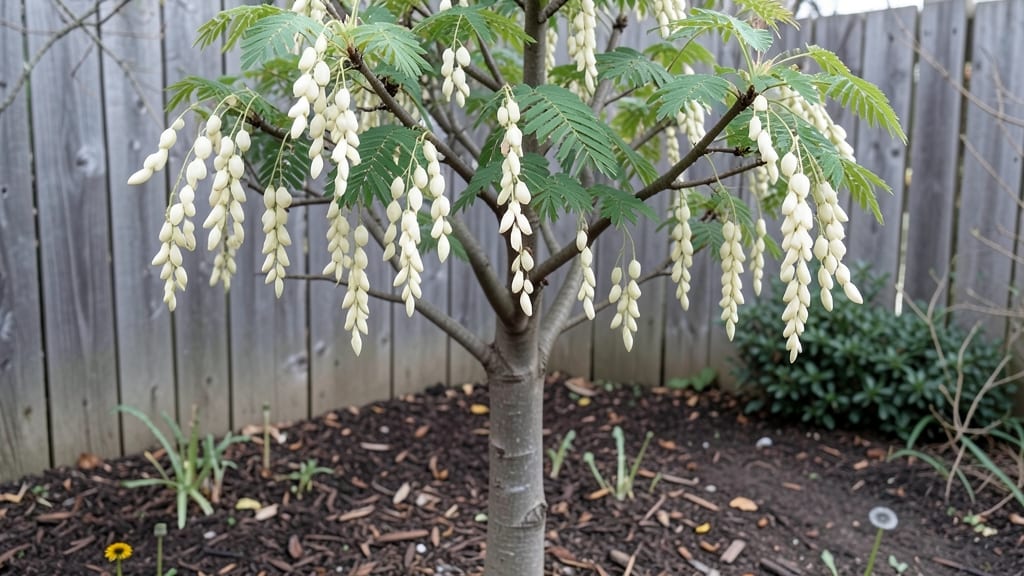
Planting a Japanese flowering tree with white blooms turns your yard into a fragrant spring dream. ✨ I’ve grown three varieties—sakura, Japanese apricot, and flowering quince—and each one transforms a space with clouds of white blossoms that smell like spring in a bottle.
The key isn’t just picking the right tree; it’s giving it the perfect spot, soil, and care so those blooms come back year after year without struggle.
The right location makes all the difference. These trees thrive in full sun to partial shade, with at least 6 hours of sunlight daily for best flowering. Well-draining soil is a must—too much moisture rots their roots, and heavy clay can stunt growth.
Amend your soil with compost before planting, and avoid low spots where water pools. Once established, they’re surprisingly drought-tolerant, but young trees need deep watering once a week during dry spells.
Pruning in late winter or early spring keeps them healthy and encourages abundant blooms. Simply remove dead or crossing branches, and thin out crowded areas to improve airflow. The payoff? A canopy of snowy-white flowers in spring, followed by glossy foliage that adds texture to your landscape all summer.
Even the bark has character—peeling or exfoliating in some varieties, adding winter interest when blooms fade.
Watch for powdery mildew on leaves and aphids on new growth, both common in humid climates. A quick spray of neem oil or horticultural oil keeps pests in check without harming bees.
With the right care, these trees live for decades, becoming the centerpiece of your garden. Ready to plant one that’ll steal the show every spring?
📚 In This Guide
- What you need
- Instructions
- Tips and common mistakes
- Wrapping up and next steps
What you need
- ● Japanese flowering tree white (bare-root or potted, 1-3 years old for best establishment). Pro tip: 💡 Choose a grafted variety for vibrant blooms!
- ○ High-quality well-draining soil mix (50% native soil + 50% compost or peat moss). Optional: Add perlite for extra aeration.
- ● Organic mulch (3-4 inches of wood chips or straw to retain moisture and suppress weeds).
- ● Slow-release balanced fertilizer (10-10-10 or similar, 1-2 lbs per tree). ✨ Apply in early spring before blooming!
- ● Garden gloves, trowel, and pruning shears (sterilized with rubbing alcohol).
- ● Watering can or hose with adjustable nozzle (for gentle hydration).
- ● Stakes and garden twine (if planting in windy areas).
- ● Soil pH test kit (ideal range: 6.0–7.0). 🌡️ Amend soil if needed with lime (to raise pH) or sulfur (to lower it).
- ● Anti-desiccant tree wrap (for young trees in cold climates).
- ● Pest control: Neem oil or insecticidal soap (for aphids or scale).
- ● Decorative garden stones or gravel (to create a tidy base around the tree).
- ● Automatic drip irrigation system (for low-maintenance watering).
- ● Sunlight: Full sun (6+ hours/day) for optimal blooming.
- ● Space: 15–25 feet of clearance (varies by variety). 🎯 Check mature size before planting!
- ● Climate: USDA Zones 5–9 (hardy to -10°F/-23°C).
- ● Water access: Drip irrigation or hose nearby for consistent moisture.
Step-by-Step guide for planting and caring for a Japanese flowering tree white
Here's how to plant and nurture this stunning tree for years of fragrant blooms and elegant foliage.
🌱 Step 1: Choose the Perfect Planting Location
Japanese flowering trees like white varieties thrive in full sun—at least 6 hours of direct sunlight daily. I always pick a spot with morning sun and afternoon shade to prevent leaf scorch, especially in hotter climates. Avoid areas where strong winds could damage delicate branches or blooms.
The tree needs space to grow—plan for a mature spread of 15-20 feet wide and 20-30 feet tall. If planting near a structure, leave at least 10 feet of clearance for branches to spread naturally. Test the soil pH before planting—ideal range is 6.0-7.0. Most garden centers sell simple pH test kits.
🪴 Step 2: Prepare the Planting Hole and Amend Soil
Dig a hole twice as wide as the tree's root ball but no deeper. This gives roots room to establish without sinking. Loosen the soil at the bottom with a shovel or garden fork to encourage root growth into surrounding soil. I always remove any rocks or debris from the hole.
Mix the native soil with 2-3 inches of compost or well-rotted manure to improve drainage and fertility. Avoid heavy amendments like peat moss—they can compact and suffocate roots. Place the tree in the hole so the top of the root ball sits 1-2 inches above ground level. This prevents water from pooling around the trunk.
💧 Step 3: Plant and Water Thoroughly
Carefully remove the tree from its container and gently separate the roots if they're circling. Place it in the hole, then backfill with the amended soil mixture, tamping lightly every 4-6 inches to eliminate air pockets. Water deeply as you fill to help soil settle naturally around the roots.
After planting, create a 3-inch deep watering basin around the tree and fill it completely. This encourages roots to spread outward rather than staying concentrated in the planting hole. Mulch with 2-3 inches of organic mulch (like wood chips) over the basin, keeping it 6 inches away from the trunk to prevent rot.
☀️ Step 4: Establish Care Routine for First Year
Water deeply once a week during the first year, ensuring the soil stays moist but not soggy. You'll know it's time to water when the top 2-3 inches of soil feel dry. Overwatering is the fastest way to kill a young tree—roots need oxygen too. I always water in the morning so excess moisture evaporates during the day.
Fertilize lightly in early spring with a balanced, slow-release fertilizer (10-10-10 ratio). Apply according to package instructions, usually ¼ cup per year of tree age. Avoid high-nitrogen fertilizers—they promote leafy growth at the expense of flowers. Prune only to remove dead or crossing branches in late winter before new growth begins.
⏰ Step 5: Maintain Year-Round for Long-Term Health
Once established, water every 2-3 weeks during dry spells, adjusting for your climate. The tree's deep roots mean it's more drought-tolerant than most people realize, but consistent moisture helps maintain vibrant blooms. I check soil moisture by pushing a finger 3 inches deep—if it feels dry, it's time to water.
Prune annually in late winter to shape the tree and remove any suckers at the base. Thin out crowded branches to improve airflow, which prevents fungal diseases. In fall, apply a 2-inch layer of mulch around the base (but not touching the trunk) to protect roots from winter temperature swings. This simple step makes all the difference in harsh climates.
Tips & tricks for perfect Japanese flowering tree white planting
Planting a Japanese flowering tree white is all about the details—get these right, and you'll have a fragrant, show-stopping tree for years. Here's what I've learned after watching several of these beauties thrive in my own garden.
Sunlight Strategy: In Step 1, when choosing your location, pay special attention to how sunlight moves across your yard throughout the day. While 6 hours of full sun is ideal, the morning sun and afternoon shade combo I mentioned is critical—especially in hot climates. If your yard only gets direct sun in the afternoon, consider planting near a light-colored wall that reflects morning sunlight onto the tree. This mimics the natural light conditions these trees prefer.
Root Ball Technique: When you're preparing to plant in Step 3, don't just plop the tree in the hole—take time to gently tease apart the roots at the bottom of the root ball. I've seen people skip this, and their trees struggle to establish properly. This simple step helps roots spread out immediately rather than staying in a tight circle. Just be gentle—you don't want to damage the roots completely.
Watering Wisdom: The weekly watering schedule in Step 4 is non-negotiable during the first year, but here's the secret: water deeply but less frequently. When you water that 3-inch basin, make sure it's completely soaked through—you should see water draining out the bottom. This encourages roots to grow deeper rather than staying shallow. I've seen many gardeners water lightly every day, which actually prevents roots from developing properly.
Mulching Mastery: That 2-3 inch layer of organic mulch in Step 3 and 2-inch layer in Step 5 might seem like just a decorative touch, but it's working hard to regulate soil temperature and retain moisture. The key is to keep it 6 inches away from the trunk—this prevents rot while still protecting those vital roots. I like to use wood chips because they break down slowly, adding organic matter to the soil over time.
Pro Tips for Japanese Flowering Tree White
- Planting a Japanese flowering tree white is all about the details—get these right, and you'll have a fragrant, show-stopping tree for years.
- Sunlight Strategy: In Step 1, when choosing your location, pay special attention to how sunlight moves across your yard throughout the day.
- Root Ball Technique: When you're preparing to plant in Step 3, don't just plop the tree in the hole—take time to gently tease apart the roots at the bottom of the root ball.
Frequently asked questions
Got questions about your Japanese flowering tree (white)? You’re not alone! Here are some of the most common queries—and their answers—to help you keep your fragrant beauty thriving year-round.
When is the best time to plant a Japanese flowering tree?
Plant your tree in early spring or fall when temperatures are mild. This gives roots time to establish before extreme heat or cold sets in. Avoid planting in summer or winter, as stress from temperature swings can stunt growth. If you must plant in summer, water deeply daily for the first 2–3 weeks.
How often should I water a Japanese flowering tree?
Newly planted trees need deep watering 2–3 times per week for the first year. Once established, water 1–2 times per week (more in drought or extreme heat). Check soil moisture—if the top 2 inches are dry, it’s time to water. Overwatering can be just as harmful as underwatering!
Do Japanese flowering trees need winter protection?
Most varieties are hardy to USDA zones 5–8, but young trees or harsh winters may need help. Wrap the trunk with burlap or tree guard to prevent sun scald, and mulch the base with 2–3 inches of organic mulch. Avoid heavy snow buildup on branches—gently shake it off to prevent breakage.
Why isn’t my Japanese flowering tree blooming?
Blooming issues often stem from age, sunlight, or stress. Trees typically bloom after 3–5 years of growth. Ensure it gets full sun (6+ hours daily) and prune in late winter to encourage new growth. Over-fertilizing or poor drainage can also reduce blooms—stick to a balanced fertilizer in early spring.
What are some low-maintenance alternatives to Japanese flowering trees?
If you want a fragrant, white-blooming tree with easier care, consider:
- Crabapple (Malus spp.) – Disease-resistant, colorful fruit, and low-maintenance.
- Eastern Redbud (Cercis canadensis) – Fast-growing, early spring blooms, and drought-tolerant.
- Dogwood (Cornus florida) – Stunning white flowers and adaptable to partial shade.
Wrapping up and next steps
From the delicate blooms of the Japanese flowering tree white to its year-round care secrets, you now have the tools to cultivate a stunning centerpiece in your garden. 🌸 Whether you’re drawn to its fragrant spring display or its resilient nature, this tree brings beauty and tranquility to any landscape. Ready to take the next step? Start by selecting your perfect spot, gathering the right supplies, and embracing the joy of nurturing this elegant tree—your garden will thank you!
- 🌱 Tip: Bookmark this guide for quick reference as you tend to your tree.
- 📅 Pro Move: Plan a seasonal check-in to monitor growth and adjust care as needed.