
Pests
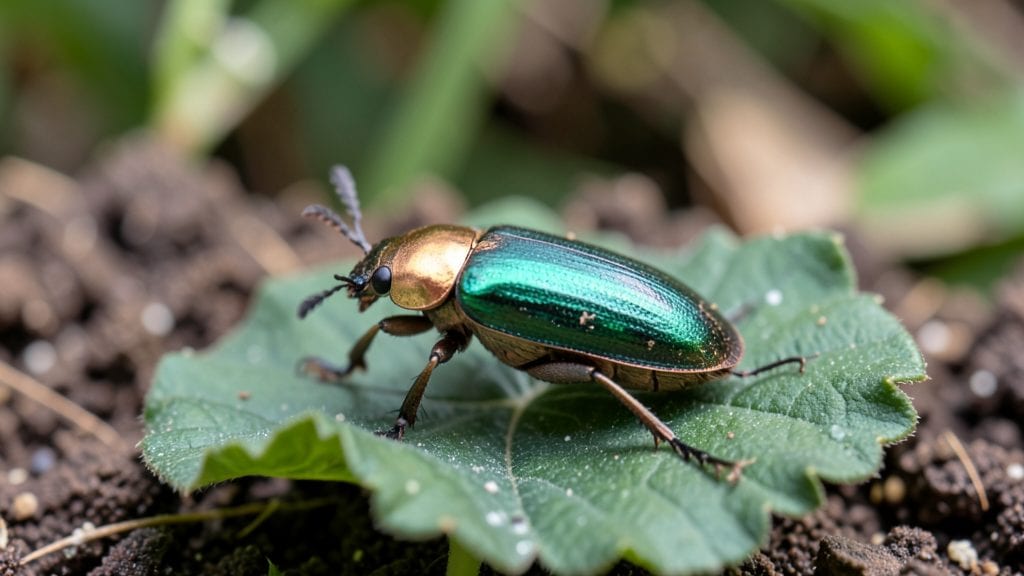
Japanese flower beetles can turn your garden from a vibrant paradise to a skeleton of chewed petals in just a few days. ✨ I’ve watched them strip entire roses and tomatoes bare—until I learned their weak spots and how to outsmart them without chemicals.
The key isn’t brute force but understanding their lifecycle and using their own biology against them.
These shiny, copper-colored beetles thrive in warm weather and target flowers, leaves, and fruits. They’re most active from late spring through summer, which means your prized blooms and veggies are at risk right when they’re most vulnerable.
The good news? Birds, ladybugs, and even certain plants can help keep their numbers in check—no harsh sprays required.
You’ll learn to spot their damage early, use simple barriers like row covers, and harness natural predators to protect your garden. By the end, your plants will stay lush and unscathed, and you’ll never reach for toxic chemicals again. Let’s get your garden back to its full glory—naturally.
Whether you’re dealing with a small infestation or want to prevent one entirely, these methods work for flowers, vegetables, and even shrubs. No more helplessly watching your hard work get devoured—just smarter, eco-friendly solutions that actually work.
Root Causes Of Beetle Attacks
Japanese flower beetles—those shimmering, iridescent invaders—don’t just appear in your garden by chance. Their presence is often the result of specific conditions that make your plants irresistible. Understanding these triggers is the first step to stopping them naturally.
Let’s break down the science behind why these beetles target your garden and how you can disrupt their plans.
The Japanese flower beetle, Anomala orientalis, has a serious sweet tooth—especially for plants in the Fabaceae (legume) family and Rosaceae (rose) family.
When these plants thrive in your garden, they send out chemical signals (volatile organic compounds, or VOCs) that act like a neon "eat me" sign for beetles.
- Why it happens: Beetles use their antennae to detect these plant signals from miles away. If your garden is packed with lilacs, roses, raspberries, or clover, you’re essentially rolling out the welcome mat.
- Actionable fix:
- 🌿 Rotate crops—avoid planting large patches of beetle favorites in the same spot year after year.
- 🔍 Monitor early blooms—remove spent flowers promptly to reduce scent trails.
- 🌍 Diversify—interplant with beetle-deterring species like marigolds, thyme, or basil, which mask attractive scents.
Japanese flower beetles are tropical travelers that thrive in warmth and moisture. They’re most active when temperatures hover between 70°F–85°F (21°C–29°C) and humidity is high—conditions that turn your garden into a beetle buffet.
- Why it happens:
- 🌡️ Heat accelerates their metabolism, making them hungrier and more active.
- 💧 Humidity preserves their eggs and larvae in the soil, ensuring a steady population.
- 🌿 Shaded, damp areas (like under mulch or dense foliage) create ideal breeding grounds.
- Actionable fix:
- 🌞 Improve airflow—prune overgrown plants and avoid over-mulching in hot climates.
- 💦 Water strategically—use drip irrigation to keep soil moist but avoid soggy conditions.
- ☀️ Reflective surfaces—place aluminum foil or light-colored mulch around plants to deter beetles (they dislike bright reflections).
While adult beetles feast on flowers, their larvae are underground, munching on grass roots and garden soil. If your soil is rich in organic matter, these grubs can thrive unnoticed—leading to a future beetle explosion.
- Why it happens:
- 🌱 Organic-rich soil provides the perfect nursery for grubs, which take 1–2 years to mature.
- 💩 Compost or manure piles attract egg-laying females, as they mimic decaying plant material.
- 🌾 Lawns with clover or weeds offer both food and shelter for larvae.
- Actionable fix:
- 🔥 Reduce organic buildup—avoid piling compost directly against garden beds.
- 🌱 Test soil health—if grubs are present, amend soil with sand or perlite to disrupt their habitat.
- 🌿 Mow high—taller grass (3–4 inches) can deter egg-laying in lawns.
In their native Japan, Japanese flower beetles face balanced predation from birds, toads, and parasitic wasps. But in North America, many gardens lack these natural controls, allowing beetle populations to spiral.
- Why it happens:
- 🐦 Birds avoid gardens with few perches or water sources.
- 🦎 Amphibians (like toads) decline due to habitat loss or pesticides.
- 🐝 Beneficial insects (e.g., ladybugs, ground beetles) are often outcompeted by synthetic pesticides.
- Actionable fix:
- 🐦 Install birdhouses and baths near problem areas.
- 🌿 Create toad-friendly zones—leave shallow water dishes and leaf litter.
- 🌱 Plant predator magnets like dill, fennel, or yarrow to attract beneficial insects.
By tackling these root causes—plant selection, microclimate control, soil management, and predator support—you can make your garden a far less appealing (and far more resilient) place for Japanese flower beetles. The key? Disrupt their comfort zone before they disrupt yours.
Quick Fixes for Shiny Invaders
Spotting iridescent beetles munching on your prized plants can feel like a garden crisis—but don’t panic! These dazzling pests (often mistaken for Japanese flower beetles) are manageable with the right strategies.
Below, we’ll tackle the most common causes and pair them with practical solutions, from immediate fixes to long-term prevention. No harsh chemicals required!
Problem: You’ve already spotted damage—chewed leaves, skeletonized foliage, or beetles crawling on flowers. Fix: Act fast to minimize harm and disrupt their life cycle.
🍳 Handpick & Relocate (Best for Small Infestations)
When you see these beetles, drop them into soapy water (a bucket with a few drops of dish soap) or use a damp paper towel to trap them. For a gentler approach, relocate them to a distant part of your yard where they won’t cause damage.
- ✅ Best time: Early morning when beetles are sluggish.
- ✅ Tools: Gloves, a small container, or a spray bottle with soapy water.
- 💡 Pro tip: Check under leaves and near flowers—these are their favorite hiding spots!
👨🍳 Use Physical Barriers (Protect Delicate Plants)
Wrap vulnerable plants in fine mesh netting (like tulle or bug barrier fabric) to block beetles while allowing light and air through. This works especially well for seedlings, roses, or veggie gardens.
- ✅ Materials: Lightweight garden netting or even old sheer curtains.
- ✅ How to apply: Secure the netting loosely around plants with stakes or clips.
- 🌡️ Bonus: This also shields against other pests like aphids or cabbage worms.
🥘 Diatomaceous Earth (DE) for Longer-Lasting Defense
Sprinkle food-grade diatomaceous earth around the base of plants or on soil surfaces. This natural powder damages the beetles’ exoskeletons, dehydrating them over time. Reapply after rain.
- ✅ Where to use: Garden beds, potted plants, and around the perimeter of your yard.
- ⚠️ Caution: Avoid breathing in DE—wear a mask when applying.
- ✨ Extra tip: Mix DE with a little flour to make it stick better to leaves.
Problem: You want to stop the beetles before they lay eggs or return next season. Fix: Target their breeding grounds and adult habitats.
⏰ Trap Crops & Sacrificial Plants
Plant beetle magnets like marigolds, sunflowers, or cosmos near your garden. These attract the beetles away from your prized plants. Once they’re feasting on the trap crops, you can easily remove and dispose of them.
- ✅ Top choices: Nasturtiums (they repel some beetles too!) or dill.
- ✅ Placement: 10–15 feet away from your main garden.
- 🎯 Strategy: Rotate trap crops seasonally to keep beetles confused.
🌱 Encourage Natural Predators
Attract beetle-eating allies like birds, ladybugs, and parasitic wasps by creating a predator-friendly garden. Add birdhouses, a shallow water source, and native plants like yarrow or fennel.
- ✅ Bird-friendly additions: A small pond or birdbath.
- ✅ Ladybug habitat: Leave some leaf litter or mulch in shady spots.
- 💡 Pro tip: Avoid pesticides—even "natural" ones can harm these helpful critters.
🌡️ Soil & Compost Management
Japanese flower beetles (and similar pests) thrive in rich, moist soil. Reduce their breeding grounds by:
- 🔹 Aerate compacted soil to discourage egg-laying.
- 🔹 Avoid over-fertilizing—stick to balanced, organic fertilizers.
- 🔹 Remove mulch from areas where beetles are active and replace it with gravel or straw.
Once you’ve handled the immediate threat, keep your garden beetle-free with these low-maintenance habits:
- 🌿 Rotate crops annually to disrupt beetle life cycles.
- 🌿 Inspect new plants before bringing them home—sometimes beetles hitch a ride!
- 🌿 Prune regularly to remove damaged leaves where eggs might hide.
- 🌿 Use neem oil spray (mixed with water) as a preventive barrier—it’s safe for plants and deters beetles.
With these methods, your garden can stay beetle-free without chemicals. The key is consistency—combine a few of these strategies for the best results! 🌱
Frequently asked questions
How can I tell if my garden has Japanese flower beetles?
Look for shiny copper-colored beetles about ½ inch long with a distinctive iridescent sheen. Their damage appears as chewed leaf edges, holes in petals, and skeletonized foliage on roses, beans, and other plants. Check under leaves and near flowers where they hide during the day.
Are Japanese flower beetles harmful to my garden?
Yes, they can be destructive—adults devour leaves and petals while larvae damage grass roots. Heavy infestations can defoliate plants entirely, reducing yields and ruining blooms. However, they don’t transmit diseases, so the threat is mostly cosmetic and structural.
What’s the best natural way to get rid of them?
Try handpicking (drop them in soapy water) or using diatomaceous earth around plant bases. For prevention, plant trap crops like marigolds or nasturtiums, and attract predators (birds, ladybugs) with water sources and native plants. Neem oil spray also works well as a deterrent.
Can I use chemical pesticides safely?
While chemical pesticides like pyrethrin kill beetles quickly, they harm beneficial insects and can contaminate soil. For targeted use, apply in early evening when pollinators are inactive. Always follow label instructions and consider organic alternatives first for long-term garden health.
How do I prevent them from coming back next year?
Focus on soil management—reduce organic matter buildup and aerate compacted soil to discourage egg-laying. Rotate crops, remove mulch from problem areas, and maintain a diverse garden to disrupt their lifecycle. Install birdhouses and plant predator-friendly flowers to encourage natural controls.