
Pruning
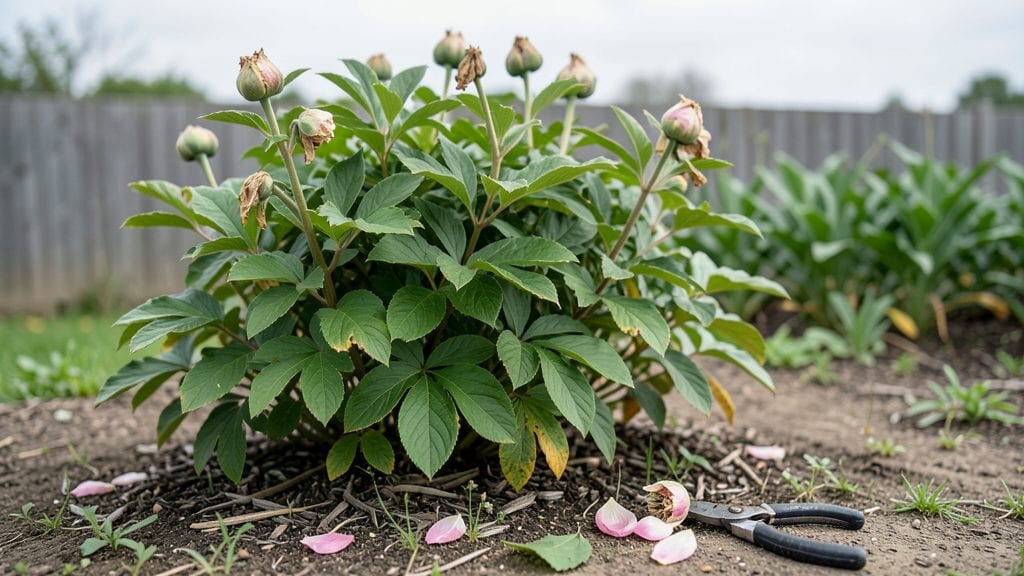
Pruning peonies after flowering isn’t just about tidying up—it’s the secret to next year’s showstopping blooms. 🌸 I’ve learned the hard way that cutting too early or too late can leave you with a sad, leggy plant instead of the lush, vibrant bushes we all dream of.
The right timing and technique make all the difference, and I’m sharing exactly how to do it without risking next season’s flowers.
Wait until the foliage turns yellow and dies back naturally, usually 4-6 weeks after the last bloom fades. Grab a pair of clean, sharp pruners—dull blades tear stems and invite disease—and cut back to the first set of healthy leaves or buds.
This simple step ensures the plant stores energy where it counts: in next year’s flower buds, not in weak new growth. Skipping this step means fewer blooms, and nobody wants that.
You’ll end up with peonies that look like they’ve been professionally landscaped, not neglected. The stems stay strong, the foliage stays healthy, and those giant, fragrant blooms return bigger and bolder than ever.
Plus, you’ll avoid the most common mistakes—like cutting into the eyes (the flower buds) or leaving too much dead foliage—that turn peonies into a gardener’s regret.
This method works for both herbaceous and tree peonies, and it’s just as effective in containers as it is in the ground. Once you’ve mastered the timing and technique, you’ll wonder why you ever struggled with these dramatic, low-maintenance plants. Let’s get those blooms prepped for next season!
📚 In This Guide
- What you need
- Instructions
- Tips and common mistakes
- Wrapping up and next steps
What you need
- ● Pruning shears or secateurs: Choose bypass pruners (sharp, clean-cut blades) for precision. Opt for 5-inch handles for better control.
- ● Garden gloves: A pair of cut-resistant, breathable gloves (e.g., nitrile-coated or leather) to protect hands from thorns.
- ○ Disinfectant (optional but recommended): A 70% isopropyl alcohol or rubbing alcohol to sterilize tools between cuts and prevent disease spread.
- ● Garden twine or plant ties: A small roll (10–20 feet) to secure heavy stems if needed.
- ● Compost or mulch: A 2–3 inch layer of organic mulch (e.g., straw or shredded leaves) to protect the base after pruning.
- ● Trash bag or bucket: For collecting pruned debris (a 13-gallon bag or 5-gallon bucket works well).
- ○ Knee pads (optional): If your peonies are ground-level, gel-filled or foam knee pads will save your joints!
Step-by-Step instructions for pruning peonies after flowering
Here's the foolproof method I use to keep my peonies thriving year after year.
✂️ Step 1: Wait Until Flowers Fully Fade
Don't rush to prune—wait until the blooms have completely faded and the petals turn brown. This ensures the plant has finished flowering for the season and stored energy in the roots for next year. You'll know it's ready when the flower stems feel dry and papery to the touch.
If you cut back too soon, you risk removing buds that haven't formed yet. Peonies develop next year's blooms on the current season's growth, so patience here pays off with bigger, healthier flowers. I mark my calendar for mid-to-late summer when most varieties finish blooming.
✂️ Step 2: Cut Stems Back to the First Set of Leaves
Use clean, sharp pruners to cut each spent flower stem down to the first healthy set of leaves below the bloom. This is where new growth will emerge next spring. Avoid cutting into the thick, woody base of the plant—you'll see this as the thick, green stem that stays green all winter.
Make cuts at a 45-degree angle just above a leaf node to prevent water from pooling. I like to step back after each cut to check the overall shape—you want to maintain a balanced, open center. Never remove more than one-third of the plant's foliage at once, as this stresses the roots.
✂️ Step 3: Remove Any Diseased or Damaged Foliage
Inspect the remaining leaves for signs of disease, spots, or yellowing. Use your pruners to trim away any unhealthy growth, cutting back to clean, green tissue. This prevents pests and diseases from overwintering in the garden. I always sterilize my pruners with rubbing alcohol between cuts to avoid spreading anything.
Leave the healthy foliage in place until it naturally yellows in late fall. The leaves continue photosynthesizing until then, sending nutrients back to the roots. If you remove them too early, your peonies will bloom less vigorously next season.
⏰ Step 4: Clean Up and Prepare for Winter
After pruning, gather all the cut stems and dispose of them in the trash—not the compost pile. Peony foliage can harbor fungal spores that survive composting. I like to spread a 2-inch layer of mulch around the base of the plant to protect the crown from freezing temperatures.
Wait until late fall to cut back any remaining dead foliage. The old stems provide some winter protection, and cutting them too early can expose the crown to cold damage. Once the ground freezes, you can trim everything down to about 1 inch above the soil level.
Tips & tricks for pruning peonies after flowering
Here's what I've learned after years of pruning my peonies—these little tricks make all the difference for next year's blooms.
Timing is Everything: I can't stress this enough—wait until the blooms are completely brown and crispy before cutting. I've learned the hard way that cutting too soon removes next year's flower buds, which form on the current season's growth. If you're unsure, give it a few extra days. The stems should feel dry and papery when you gently squeeze them.
The 45-Degree Cut Matters: When you cut back to the first set of leaves in Step 2, that 45-degree angle isn't just for show—it prevents water from pooling at the cut site, which could lead to rot. I like to visualize making the cut just above where the leaf meets the stem, creating a little shelf that sheds water naturally. This small detail helps keep your plants healthy through winter.
Tool Maintenance is Critical: Between each cut, especially when dealing with diseased foliage in Step 3, I wipe my pruners with rubbing alcohol. This prevents spreading fungal spores between plants. I keep a small bottle of 70% isopropyl alcohol in my gardening toolkit specifically for this purpose. Clean tools mean healthier plants and fewer problems next season.
Mulching Strategy: That 2-inch layer of mulch in Step 4 isn't just decoration—it's insulation. I use shredded hardwood mulch because it breaks down slowly and adds organic matter to the soil. Spread it in a donut shape around the plant, leaving a 2-inch gap around the crown to prevent moisture buildup. This helps regulate soil temperature and protects the crown from extreme cold.
Pro Tips for Prune Peonies After Flowering
- Here's what I've learned after years of pruning my peonies—these little tricks make all the difference for next year's blooms.
- Timing is Everything: I can't stress this enough—wait until the blooms are completely brown and crispy before cutting.
- The 45-Degree Cut Matters: When you cut back to the first set of leaves in Step 2, that 45-degree angle isn't just for show—it prevents water from pooling at the cut site, which could lead to rot.
Frequently asked questions
Got questions about pruning peonies? You’re not alone! Here are answers to the most common concerns—so you can keep your peonies thriving and blooming beautifully for years to come.
When is the exact best time to prune peonies after flowering?
Wait until late summer or early fall (after the foliage yellows and dies back naturally). Pruning too early can stress the plant, while waiting too long may leave it vulnerable to disease. Aim for September to October in most climates—just don’t cut before frost!
What if I skip deadheading? Will my peonies still bloom next year?
Peonies can still bloom without deadheading, but removing spent blooms redirects energy to next year’s flowers instead of seed production. Skipping it won’t kill your plant, but you’ll likely see fewer, smaller blooms over time. Think of it as a trade-off between convenience and showstopping blooms!
I accidentally cut into the “eyes” (buds) of my peony—now what?
Don’t panic! Peonies are tough. If you’ve cut into the crown eyes (the fat buds at the base), stop pruning immediately. The plant may take a year to recover, but it’ll bounce back. Just reduce watering slightly and avoid fertilizing until new growth appears.
Can I prune peonies in the spring instead of fall?
Spring pruning is not recommended because it removes nutrients stored in the stems for next year’s blooms. If you must prune in spring (e.g., for cleanup), do it very lightly—just trim dead foliage at the base. Fall is the gold standard for peony care!
What if it rains right after I prune? Will that hurt my peonies?
Rain after pruning is usually fine, but avoid pruning during heavy downpours or right before rain. Wet cuts can invite fungal issues. If rain is forecast, prune in the morning so the plant has time to dry out. A quick spray of copper fungicide can add extra protection if needed.
Wrapping up and next steps
Pruning peonies after flowering is your secret to vibrant, long-lasting blooms year after year! 🌸 By deadheading spent flowers and trimming back foliage, you’re not just tidying up—you’re giving your peonies the care they need to thrive.
With just a few simple steps, you’ll encourage stronger growth and even more stunning blooms next season.
Now that you’re armed with the know-how, grab those shears and get pruning! Your peony bushes will thank you with a show-stopping display of color and health. Ready to watch your garden flourish? Check out our guide on fertilizing peonies for extra lush growth! 🌱