
Shrubs
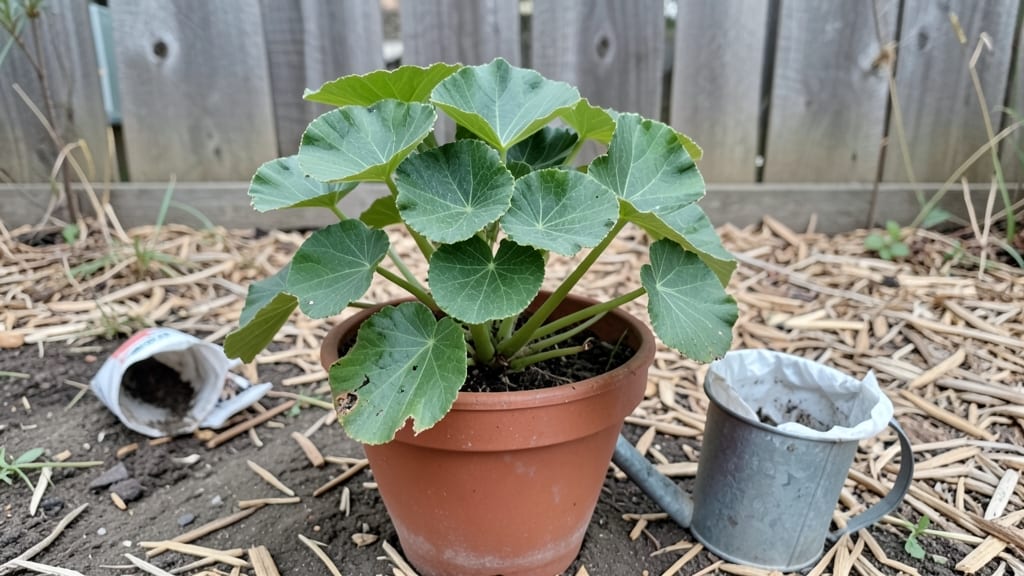
Begonia stopped flowering? That first sight of bare stems after weeks of vibrant blooms feels like a betrayal—especially when you’ve been watering and fertilizing like clockwork. 🌿 The good news is, most of these plants aren’t giving up for good.
They’re just telling you something needs to change, whether it’s more light, a feeding boost, or a little strategic trimming to wake them up.
Here’s the thing—begonias often quit blooming because they’re getting too much of one thing (like water) or not enough of another (like sunlight). My plants rebloomed within three weeks after I moved them to a brighter spot and cut back on fertilizing in the heat of summer.
The key is diagnosing the exact issue: Are the leaves yellowing? Wilting? Or just looking tired? Each clue points to a different fix.
You’ll be snipping off leggy stems, adjusting your watering schedule, and maybe even repotting into fresh soil within an hour. The payoff? Those same plants will burst back into color—deep pinks, whites, or fiery reds—faster than you expect. Think of it as a reset button for your begonia’s energy.
Works for wax, rex, and tuberous begonias alike, whether you’re dealing with a single pot or a whole shelf of them. Let’s get those blooms back before the season slips away.
📚 In This Guide
- What you need
- Instructions
- Tips and common mistakes
- Wrapping up and next steps
What you need
- ● Pruning shears – Clean, sharp pair (sterilize with rubbing alcohol to prevent disease).
- ● Balanced liquid fertilizer – 10-10-10 or 20-20-20 NPK ratio (dilute to half-strength for begonia). Quantity: 1 bottle (16 oz).
- ● Ph test kit – Digital or liquid test strips (ideal pH range: 5.5–6.5).
- ● Well-draining potting mix – Peat-based or African violet mix (avoid heavy garden soil). Quantity: 1–2 bags (5–10 quarts).
- ○ Watering can with a rose attachment – For gentle, bottom-watering (optional but helpful).
- ● Grow lights or LED bulbs – Full-spectrum, 6500K+ color temperature (if indoor lighting is weak).
- ● Spray bottle – For misting (if humidity is low).
- ● Epsom salt – For magnesium boost (1 tsp per gallon of water).
- ● Hydrogen peroxide (3%) – To sterilize pruning tools or roots if rot is suspected.
- ● Humidity tray or pebble tray – If your home is dry (40–60% humidity ideal).
- ● Thermometer/hygrometer – To monitor temperature (65–75°F) and humidity.
Step-by-Step fixes to revive begonia blooms fast
Here’s how to coax your begonia back into full bloom within weeks—no complicated steps, just targeted care.
💧 Step 1: Check and Adjust Watering Habits
Begonias wilt when their roots sit in soggy soil, but they also stop flowering if they dry out. Water only when the top 1-2 inches of soil feel dry—stick your finger in to test. I use room-temperature water and pour it slowly at the base, avoiding leaves to prevent fungal spots. Overwatering is the #1 blooming killer, so let excess water drain completely from the pot.
If your begonia’s leaves feel limp but the soil is still damp, it’s underwatered. Move it to a shadier spot immediately—stress from thirst triggers leaf drop and halts blooms. Most begonias need watering every 5-7 days in spring/summer, but adjust based on your home’s humidity.
☀️ Step 2: Optimize Light Exposure
Too much direct sun scorches leaves and stops flowers, but too little light means no blooms. Place your begonia in bright, indirect light—think east or north-facing windows, or 3 feet from a south window. You’ll know it’s getting enough light when leaves are deep green and stems stay sturdy.
If your begonia’s leaves are pale or stretching toward the light (leggy growth), it’s hungry for more. Rotate the pot a quarter turn weekly so all sides grow evenly. For indoor plants, a grow light on a timer for 12-14 hours daily works wonders in winter when natural light fades.
✂️ Step 3: Prune and Encourage New Growth
Deadhead spent blooms by snipping stems just above a leaf node with clean scissors. This redirects the plant’s energy into new flowers instead of seed production. I prune in the morning when stems are firm—this gives the cuts time to heal before evening moisture sets in.
If your begonia looks leggy with sparse foliage, it’s time for a harder prune. Cut back 1/3 of the tallest stems to encourage bushier growth. New shoots will sprout from nodes within 2-3 weeks, and those will bloom faster than stretched-out stems.
🪴 Step 4: Feed and Refresh the Soil
Begonias need nutrients to keep blooming, but too much fertilizer burns roots. Switch to a balanced liquid fertilizer (10-10-10) and dilute it to half-strength. Feed every 4-6 weeks during spring and summer—skip fertilizing in fall/winter when growth slows.
If your begonia’s soil looks compacted or has a sour smell, it’s time to repot. Gently remove the plant, loosen the roots, and transfer it to a pot 1-2 inches larger with fresh potting mix. This refreshes nutrients and prevents root-bound stress, which stops flowering.
Tips & tricks for reviving begonia blooms fast
Here's how to troubleshoot your begonia's blooming issues without losing weeks of progress.
Watering Wisdom: The key to reviving blooms lies in that 1-2 inch soil test—I can't stress this enough. Use a wooden skewer instead of your finger to avoid spreading bacteria. In summer, I water mine every 5 days but check daily if the air feels dry. If your begonia's leaves start curling at the edges, that's your sign to cut back on water immediately.
Light Strategy: When adjusting light in Step 2, pay attention to leaf color changes as your indicator. Pale leaves mean more light, but if they develop brown spots, move it back immediately. For winter light deprivation, I place my begonia 6 inches from a south-facing window—closer than the 3 feet mentioned in the instructions—when natural light is scarce. That extra proximity makes all the difference during shorter days.
Pruning Precision: When pruning leggy stems in Step 3, cut at a 45-degree angle just above a leaf node. This angled cut prevents water from pooling and causing rot. I've found that pruning in the morning gives the cuts time to callus over before evening moisture sets in, which significantly reduces the risk of fungal infections.
Fertilizer Timing: The 4-6 week feeding schedule is perfect, but I've learned to adjust based on bloom cycles. When I notice new flower buds forming, I switch to a low-phosphorus fertilizer (5-10-10) to support foliage growth without overstimulating blooms. This balance helps maintain continuous flowering throughout the season.
Pro Tips for Begonia Stopped Flowering
- Here's how to troubleshoot your begonia's blooming issues without losing weeks of progress.
- Watering Wisdom: The key to reviving blooms lies in that 1-2 inch soil test—I can't stress this enough.
- Light Strategy: When adjusting light in Step 2, pay attention to leaf color changes as your indicator.
Frequently asked questions
Got questions about why your begonia isn’t blooming?
You’re not alone! Here are some of the most common concerns—and quick fixes—to get those vibrant flowers back in action.
Why did my begonia stop flowering suddenly?
Sudden stops in blooming often stem from stress triggers like overwatering, poor light, or abrupt temperature changes. Begonias thrive in bright, indirect light (e.g., east-facing windows) and need well-draining soil. Check for root rot or pests—both can drain energy meant for flowers. Adjust care, and blooms should return in 4–6 weeks.
How long does it take for a begonia to flower again after adjustments?
Patience is key! With ideal conditions (light, water, and nutrients), most begonias rebound in 4–8 weeks. Tubers may take slightly longer (2–3 months) since they store energy. Monitor for new buds—yellowing leaves or leggy stems signal you’re on the right track. Pro tip: Pinch back overgrown foliage to redirect energy to blooms!
Can I force my begonia to flower faster?
While you can’t rush nature, you can boost blooms with these tricks:
- Light upgrade: Move to a south-facing window or use a grow light 12+ hours/day.
- Fertilizer swap: Switch to a low-nitrogen, high-phosphorus bloom booster (like 5-10-5) every 2 weeks.
- Stress reset: Let the topsoil dry slightly between waterings to mimic seasonal dormancy.
What if my begonia only has leaves and no flowers?
Leafy but flowerless begonias are often overfed with nitrogen or lack light. Solution:
- Cut back on foliar-focused fertilizers (like 30-10-10) and switch to a bloom formula.
- Rotate the pot quarter-turns weekly for even light exposure.
- Try a cool snap (60–65°F nights) to trigger dormancy, then warm it back up.
Are there any pests or diseases stopping my begonia from flowering?
Yes! Common culprits include:
- Aphids/spider mites: Suck sap, weakening the plant. Treat with neem oil or insecticidal soap.
- Powdery mildew: Fuzzy white coating? Reduce humidity and spray with baking soda solution (1 tsp/L water).
- Root rot: Yellow leaves + mushy stems? Repot in fresh, dry soil and trim affected roots.
Should I replace my non-flowering begonia?
Not yet! Most begonias are perennial and recover with care. Only replace if:
- The plant is severely diseased (e.g., blackened stems, mold).
- It’s past its prime (e.g., woody, overgrown tubers after 3+ years).
Wrapping up and next steps
Don’t let a lack of blooms dim your begonia’s charm—with the right adjustments, your plant can bounce back to its vibrant best! 🌸 Remember: light, nutrients, and care are the key ingredients for revival.
Start by tweaking one factor at a time, keep an eye on your plant’s progress, and celebrate small wins along the way.
Ready to take action? Pick one tip from this guide today—whether it’s adjusting sunlight or fertilizing—and watch your begonia thank you with a burst of new flowers. Happy gardening!