
Pruning
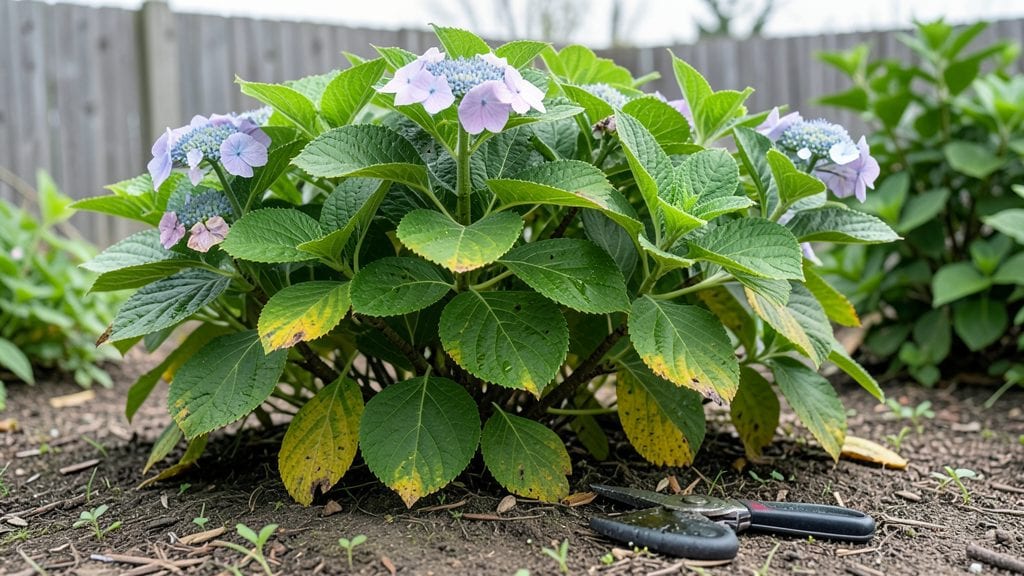
Pruning flowering shrubs isn't just about hacking away at branches—it's the secret to longer, healthier blooms that keep coming back year after year. ✨ I learned the hard way that timing and technique make all the difference, especially when you want those hydrangeas or lilacs to put on a show.
The right cuts encourage more flowers, better airflow, and a shape that actually looks intentional—not like a frustrated gardener went at it with a chainsaw.
You only need a few basic tools: sharp bypass pruners for clean cuts, loppers for thicker branches, and maybe a small pruning saw for stubborn growth.
The real magic happens in the timing—some shrubs bloom on old wood (like lilacs), so you prune right after they finish flowering, while others (like roses) need a mid-summer trim to shape them up.
Knowing which is which saves you from ending up with a shrub that looks like it just gave up.
By the end, your shrubs will be neater, fuller, and covered in more blooms than you’ve ever seen. The air moves better between branches, pests have fewer hiding spots, and the plant focuses its energy on producing flowers instead of struggling with overgrowth.
Plus, you’ll finally understand why your neighbor’s hydrangeas look like clouds while yours always look like they’re holding their breath.
This works for everything from roses and spirea to azaleas and butterfly bushes—just adjust the timing based on when they bloom. Let’s get those shears out and turn your shrubs into the star of the yard.
📚 In This Guide
- What you need
- Instructions
- Tips and common mistakes
- Wrapping up and next steps
What you need
- ● Pruning shears: Bypass pruners (sharp, clean blades) for small branches (1/4"–3/4" thick). Skip anvil shears—they crush stems and can damage plants.
- ● Loppers: For medium branches (3/4"–2" thick). Look for bypass-style loppers with a 4–6" cutting blade for precision.
- ● Pruning saw: For thick branches (>2" thick). A bow saw or curved blade saw works best.
- ● Gloves: Heavy-duty, cut-resistant gloves (e.g., leather or synthetic mesh) to protect hands from thorns and sharp edges.
- ● Disinfectant: Rubbing alcohol (70% isopropyl) or a pruning sealant (like Tanglefoot Pruning Seal) to sterilize tools between cuts and prevent disease spread.
- ● Extension pole: Attach pruners/loppers to a 3–6 ft. pole for high branches without a ladder.
- ● Ladder: A stable, lightweight ladder (e.g., Aluminum step ladder) for taller shrubs. Always secure it on level ground!
- ● Twine or zip ties: To temporarily tie branches out of the way while pruning.
- ● Garden kneeler/pad: For comfort if you’re working close to the ground.
- ● Trash bags: For collecting clippings (or a compost bin if you’re eco-friendly!).
- ● Timing: Prune at the right time for your shrub type (early spring, late winter, or right after flowering—never mid-summer for most bloomers!).
- ● Weather: Choose a dry, overcast day to avoid stressing the plant (wet leaves can harbor fungal spores).
- ● Research: Know your shrub’s growth habits (e.g., hydrangeas vs. butterfly bushes)—some bloom on old wood, others on new!
Step-by-step guide for pruning flowering shrubs
Here’s how to keep your flowering shrubs thriving with clean cuts and strategic timing.
✂️ Step 1: Identify the Right Time to Prune
Timing makes all the difference. Prune most flowering shrubs right after they bloom—this ensures next year’s flowers get the energy they need. For example, hydrangeas and azaleas bloom on last year’s growth, so wait until late spring or early summer after flowers fade. Early spring pruning can cut off next year’s blooms entirely.
If your shrub blooms in spring (like lilacs), prune immediately after flowering. For summer bloomers (like hibiscus), wait until fall after the last flowers drop. Always check your specific shrub’s blooming habit—this is the golden rule.
🌿 Step 2: Gather Tools and Assess the Shrub
You’ll need sharp, clean pruning shears (for small branches) and loppers (for thicker stems). Disinfect tools with rubbing alcohol to prevent spreading disease. Next, step back and examine the shrub’s shape—look for dead, crossing, or crowded branches that need removal first.
Focus on removing any branches that rub against each other (they’ll create wounds) and stems growing inward (they block light and air). Thin out one-third of the oldest stems at the base to encourage new growth. This step keeps the shrub’s center open and airy.
✂️ Step 3: Make Clean, Precise Cuts
Cut just above a bud or outward-facing leaf, making a 45-degree angle to shed water away from the stem. Avoid leaving stubs—these invite disease. For thicker branches, use loppers and cut a few inches above a side branch or bud to maintain the plant’s natural shape.
If you’re shaping, remove no more than one-third of the shrub’s foliage in a single session. Over-pruning stresses the plant and can reduce flowering. Work in stages if needed—better to do it right than rush.
☀️ Step 4: Encourage New Growth and Monitor
After pruning, water deeply to help the shrub recover. Fertilize lightly with a balanced, slow-release fertilizer (like 10-10-10) to support new growth. Watch for new shoots emerging from the base—these are a sign the shrub is responding well.
In the weeks following, keep an eye out for pests or fungal spots on fresh cuts. If you see yellowing leaves or wilting, adjust watering (most flowering shrubs prefer moderate moisture, not soggy soil). Mulch around the base to retain moisture and protect roots.
⏰ Step 5: Plan for Year-Round Maintenance
Light pruning throughout the year keeps shrubs looking their best. Remove spent blooms (deadheading) to encourage more flowers. In late winter, do a quick cleanup of dead or damaged branches before new growth starts. This prevents pests from overwintering in debris.
Every 2-3 years, give your shrubs a more thorough pruning to maintain their shape and health. The key is consistency—small, regular cuts keep them flowering beautifully for decades. You’ll see the difference in just one season!
Tips & tricks for perfect flowering shrub pruning
Mastering the art of pruning flowering shrubs transforms your garden from good to spectacular—here’s how to avoid common mistakes that ruin your shrubs.
Timing is Everything: The instructions emphasize pruning right after blooming, but here’s the thing: this timing varies by shrub type. For spring bloomers like lilacs, wait until immediately after flowers fade—don’t delay! For summer bloomers like hibiscus, wait until fall after the last flowers drop. I learned this the hard way with my hydrangeas—pruning too early cut off next year’s blooms entirely. Mark your calendar based on your specific shrub’s blooming habit.
Tool Prep Makes All the Difference: Sharp, clean tools aren’t just important—they’re essential. I always disinfect my pruning shears and loppers with rubbing alcohol before use, and I keep a small spray bottle of diluted bleach water (1 part bleach to 9 parts water) on hand for quick sanitization between cuts. Dull tools crush stems instead of making clean cuts, which stresses the plant. Also, use the right tool for the job: shears for small branches, loppers for thicker stems over ½ inch in diameter.
The One-Third Rule for Healthy Growth: When thinning out stems in Step 2, focus on removing one-third of the oldest stems at the base. This might sound extreme, but trust me—it prevents overcrowding and encourages new growth from the center. I see gardeners hesitate to remove this much, but your shrub will thank you with more abundant blooms next season. For thicker branches, make your cuts a few inches above a side branch or bud to maintain the plant’s natural shape and encourage new growth from that point.
Post-Pruning Care is Critical: After you’ve made your cuts, don’t just walk away! Water deeply to help the shrub recover, then apply a light layer of mulch around the base to retain moisture. I always fertilize lightly with a balanced, slow-release fertilizer (like 10-10-10) right after pruning to give the plant a nutrient boost. In the weeks following, watch for new shoots emerging from the base—this is your sign that the pruning was successful. If you notice yellowing leaves or wilting, adjust your watering; most flowering shrubs prefer moderate moisture, not soggy soil.
Pro Tips for Prune Flowering Shrubs
- Mastering the art of pruning flowering shrubs transforms your garden from good to spectacular—here’s how to avoid common mistakes that ruin your shrubs.
- Timing is Everything: The instructions emphasize pruning right after blooming, but here’s the thing: this timing varies by shrub type.
- Tool Prep Makes All the Difference: Sharp, clean tools aren’t just important—they’re essential.
Frequently asked questions
Got questions about pruning flowering shrubs? You’re not alone—even seasoned gardeners need a little guidance now and then! Here are some of the most common queries to help you prune like a pro and keep your shrubs thriving.
When is the best time to prune flowering shrubs?
The timing depends on your shrub’s blooming habit! Spring-bloomers (like lilacs or forsythia) should be pruned right after flowering to avoid cutting off next year’s buds. Summer- or fall-bloomers (such as hydrangeas or abelia) can wait until late winter or early spring before new growth starts. Always check your specific shrub’s needs—some are exceptions!
Can I prune too much at once?
Over-pruning can stress your shrub, leading to fewer flowers, weak growth, or even death in extreme cases. As a rule, never remove more than 1/3 of the shrub’s foliage or branches in a single session. For mature shrubs, spread pruning over 2-3 years to give them time to recover.
What if my shrub isn’t flowering as much after pruning?
If blooms are sparse, you might be pruning at the wrong time or cutting back too aggressively. Double-check your shrub’s blooming season and avoid deadheading (removing spent flowers) on spring-bloomers—this encourages more flowers for the current year but sacrifices next year’s buds. Try a light prune in early spring instead.
Can I shape my flowering shrub like a topiary?
Some shrubs handle formal shaping better than others! Slow-growing, flexible shrubs (like boxwood or yew) are great for topiary, while delicate bloomers (like roses or hydrangeas) may struggle with heavy pruning. If you want a shaped look, prune gradually over time and avoid cutting into old wood—focus on new growth for the best results.
What should I do if it rains right after pruning?
Don’t panic! A little rain won’t hurt your shrub, but avoid pruning right before a heavy storm—wet conditions can spread disease. If cuts are still oozing sap after rain, they’ll seal naturally. Just sterilize your tools with rubbing alcohol before your next session to prevent fungal issues.
Wrapping up and next steps
Pruning flowering shrubs doesn’t have to be intimidating—it’s all about timing, technique, and a little patience! 🌸 By following the right steps, you’ll encourage longer, healthier blooms and keep your shrubs thriving for years.
Remember, the key is to prune at the right time (early spring or right after flowering) and avoid over-trimming.
Now that you’re armed with knowledge, grab those shears and give your shrubs the care they deserve. Start with one shrub at a time, and soon, your garden will be bursting with vibrant, well-maintained blooms!
For extra confidence, watch a few pruning tutorials or join a local gardening group—you’ve got this! 🌿