
Shrubs
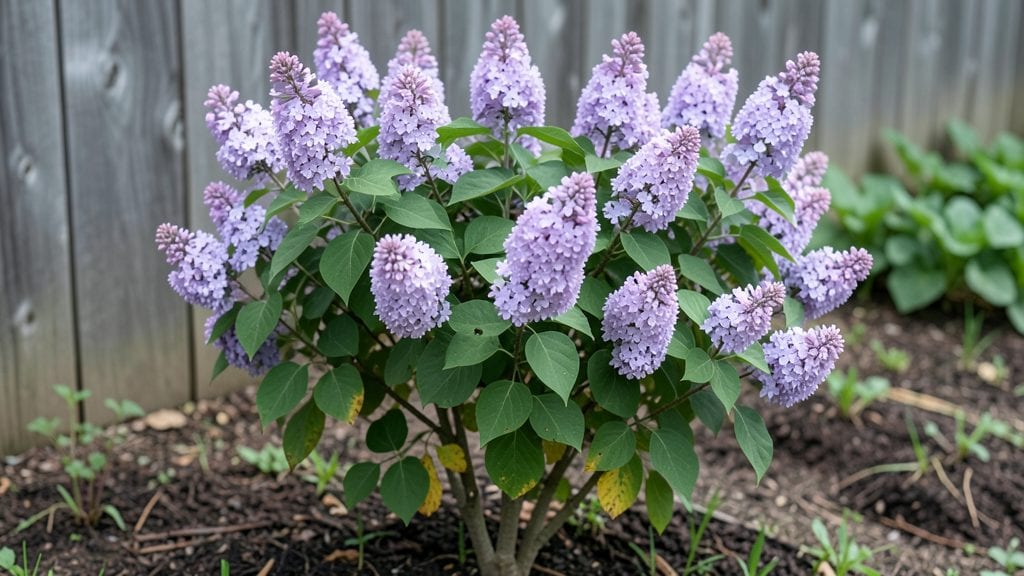
Early flowering lilacs burst into color when most gardens are still asleep, turning your yard into a pollinator magnet by late winter or early spring. 🌿 I planted mine in early fall, and by March, bees and butterflies were already swarming the fragrant blooms—something I’d never seen before in my zone 5 garden.
The secret lies in timing: plant them when soil temps drop below 60°F, and they’ll establish roots before winter’s chill, giving them a head start for spring.
These shrubs thrive in full sun but tolerate partial shade, making them versatile for almost any yard. Well-draining soil is key—amend heavy clay with compost to prevent root rot—and mulch heavily in winter to protect tender roots.
Pruning after flowering keeps them compact and encourages next year’s blooms, but never cut back old wood—it’s where next season’s buds form.
You’ll get vibrant clusters of purple, pink, or white blooms for weeks, often long after other shrubs have faded. The fragrance alone makes them worth growing, but the real magic is watching hummingbirds and bees feast on their nectar.
With proper care, some varieties rebloom lightly in late summer, extending the show even further.
Perfect for zones 3-7, these lilacs handle cold snaps like a champ but need consistent moisture during their first growing season. If you’re in a warmer zone, plant them in fall to avoid summer heat stress. The payoff? A garden that wakes up earlier—and stays lively—than anything else you grow.
📚 In This Guide
- What you need
- Instructions
- Tips and common mistakes
- Wrapping up and next steps
What you need
- ● Early flowering lilac plants: Choose varieties like Syringa meyeri or Syringa pubescens subsp. patula (2–3 plants for optimal pollinator impact).
- ● Well-draining soil: Mix 50% native soil with 50% compost (1–2 cubic yards per plant).
- ● Organic mulch: 3–4 inches of wood chips or shredded bark (spread in a 3-foot radius around the base).
- ● Watering can or hose: With a gentle spray nozzle for deep watering.
- ● Pruning shears: Sharp, bypass-style shears (for shaping after blooming).
- ● Fertilizer: Balanced 10-10-10 or slow-release organic (1–2 lbs per plant, spring/fall).
- ○ Stakes (optional): 3–4 ft wooden stakes + soft ties (if planting in windy areas).
- ● Soil pH tester: Lilacs prefer 6.0–7.0 (amend with lime if needed).
- ● Drip irrigation kit: For low-maintenance watering (especially in dry climates).
- ● Pollinator-friendly companions: Plant bee balm or lavender nearby for extra buzz! 🐝
- ● Garden gloves: For comfortable pruning (nitrile-coated for durability).
Step-by-step guide to planting early flowering lilac shrubs
Here's how to get these fragrant pollinator magnets thriving in your yard.
🌱 Step 1: Choose the Perfect Planting Spot
Early flowering lilacs need full sun—at least 6 hours daily—to bloom reliably. I always pick the sunniest corner of my yard, even if it means sacrificing a shady spot. These shrubs tolerate a range of soil types but perform best in well-draining soil with a slightly alkaline pH.
Dig a hole twice as wide as the root ball but only as deep. The top of the root ball should sit 1-2 inches above ground level—this prevents water from pooling around the stem. If your soil is heavy clay, mix in 2-3 inches of compost into the hole to improve drainage.
🪴 Step 2: Prepare and Plant the Shrub
Gently remove the plant from its container and loosen any circling roots with your fingers. This encourages outward growth instead of root-bound circles. Place the shrub in the hole, centering it so it sits straight. The distance between plants should be 6-10 feet—they grow wide over time.
Backfill with native soil, pressing lightly as you go to eliminate air pockets. Water deeply right after planting to settle the soil and eliminate air gaps. You'll see the soil settle about 1 inch—this is normal. Mulch around the base with 2-3 inches of organic mulch, keeping it 3 inches away from the trunk.
☀️ Step 3: Water and Maintain Through the First Season
Water newly planted lilacs 1-2 times per week for the first 4-6 weeks, keeping the soil consistently moist but never soggy. You'll know it's right when the top 2-3 inches of soil feel damp. After that, reduce to once a week unless your area experiences extreme heat or drought.
Fertilize lightly in early spring with a balanced, slow-release fertilizer (10-10-10). Avoid high-nitrogen fertilizers—they promote leafy growth at the expense of flowers. Prune immediately after flowering to shape the shrub and encourage next year's blooms.
✂️ Step 4: Prune for Continuous Blooming
Early flowering lilacs bloom on old wood, so never prune before the flowers fade. Wait until 4-6 weeks after flowering to prune. Remove any dead, diseased, or crossing branches first. Then, trim back any overly long stems to maintain a natural shape.
You can also thin out crowded branches to improve airflow and reduce disease risk. Never remove more than 25% of the plant's foliage in one season—this stresses the shrub. After pruning, apply a 2-inch layer of mulch around the base to retain moisture and suppress weeds.
Tips & tricks for perfect early flowering lilac planting
Between us, the secret to those show-stopping early blooms lies in the details. Here's what nobody tells you about getting your lilacs off to the right start.
Sunlight Strategy: Those 6 hours of daily sun are non-negotiable, but here's the thing: morning sun is more important than afternoon. I've seen lilacs planted in full afternoon sun still bloom, but they never reach their full potential. If you're in a transitional zone, give them the morning sun priority—it's what triggers those early blooms. Trust me on this.
Root Ball Position: The 1-2 inch elevation above ground level isn't just about drainage—it's about preventing rot. I learned this the hard way after losing two plants to crown rot from sitting too deep. Use a small mound of soil to achieve this elevation if your hole isn't deep enough. And here's a pro move: add a handful of perlite to the backfill mix if your soil is particularly dense.
Watering Wisdom: The 1-2 times per week rule works, but timing matters more than you'd think. Water in the early morning so the foliage has all day to dry—wet leaves at night invite fungal problems. I also check soil moisture by sticking my finger in about 2-3 inches deep. If it feels dry at that depth, it's time to water. This method beats guesswork every time.
Mulching Magic: That 2-3 inch layer of organic mulch isn't just decoration—it's a moisture regulator and weed barrier. I always use shredded bark mulch because it breaks down slowly and improves soil structure over time. The key is keeping it 3 inches away from the trunk to prevent moisture buildup that can cause rot. And here's a bonus tip: refresh the mulch layer every spring to maintain its effectiveness.
Pro Tips for Early Flowering Lilac
- Between us, the secret to those show-stopping early blooms lies in the details.
- Sunlight Strategy: Those 6 hours of daily sun are non-negotiable, but here's the thing: morning sun is more important than afternoon.
- Root Ball Position: The 1-2 inch elevation above ground level isn't just about drainage—it's about preventing rot.
Frequently asked questions
Got questions about early flowering lilacs? You’re not alone! Here are some of the most common queries—plus quick, practical answers to help you grow and enjoy these fragrant beauties with confidence.
What makes an early flowering lilac different from regular lilacs?
Early flowering lilacs (like Syringa meyeri or Syringa × chinensis) bloom 4–6 weeks earlier than traditional varieties. They’re bred for cold hardiness and compact growth, often reaching peak fragrance in late winter or early spring—sometimes even before leaves appear!
How do I know when my early lilac will bloom?
Timing depends on your climate, but most early bloomers push buds in late winter (February–March) and flower by April. Watch for swollen buds or scented air—a sure sign blooms are near! For exact timing, check your plant’s tag or local frost dates.
Can I prune early flowering lilacs after they bloom?
Yes!
Unlike late-blooming lilacs, early varieties flower on new wood, so prune right after blooming (May–June) to shape the shrub and encourage dense growth. Avoid heavy cuts—stick to light trimming to maintain their compact form.
Are early lilacs better for pollinators than late bloomers?
Early bloomers provide critical nectar for bees and butterflies when few flowers are available. Plant them near late-blooming varieties (like lavender or coneflowers) to extend the pollinator buffet from spring to fall.
Why aren’t my early lilacs blooming this year?
Common culprits include over-pruning (cutting old wood), poor sunlight (they need 6+ hours/day), or stress from drought/transplant shock. Check for buds—if they’re brown and mushy, it might be botrytis blight. Adjust care and give it time; some years are just slower!
Wrapping up and next steps
Early flowering lilacs are a game-changer for gardeners eager to welcome pollinators and burst their landscapes with vibrant color months before traditional blooms. Whether you’re drawn to their fragrant blooms, hardy nature, or pollinator appeal, these shrubs deliver beauty and purpose—with minimal fuss. 🌸
Ready to transform your garden? Start by choosing the right variety for your climate, then plant with confidence—your future blooms (and buzzing pollinators!) will thank you. Happy gardening!