
Propagation
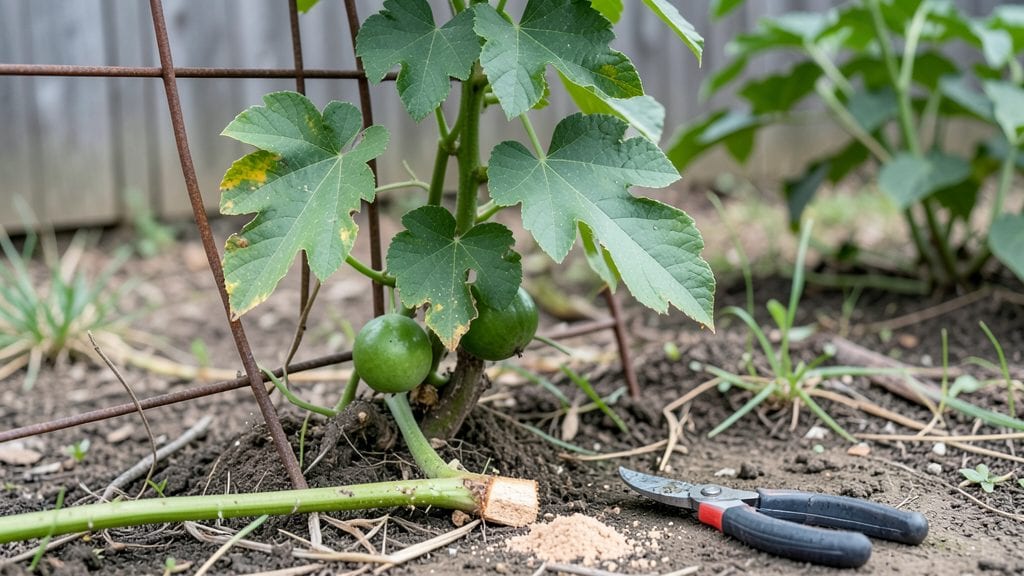
Learn how to propagate passion flower vine the easy way—it starts with a single cutting, and success depends on timing, the right tools, and a little patience. ✨ I’ve rooted dozens of these vines from stem cuttings.
Most people overcomplicate it, but the process boils down to four straightforward steps that even beginners can master.
The secret lies in using healthy, semi-ripe stems in late spring or early summer when the vine is actively growing. You’ll need sharp pruners, rooting hormone (optional but helpful), a well-draining potting mix, and a clear plastic bag to create a humid environment.
My first attempt failed because I skipped the humidity step—don’t make that mistake!
Within three to six weeks, you’ll see new growth, signaling successful rooting. Once established, these cuttings will produce lush, fragrant vines with those iconic exotic blooms. The best part? You can propagate multiple plants from a single mature vine, giving you a thriving display without breaking the bank.
Works for all Passiflora varieties, from hardy types like P. caerulea to tropical favorites like P. edulis. Let’s get those cuttings growing!
📚 In This Guide
- What you need
- Instructions
- Tips and common mistakes
- Wrapping up and next steps
What you need
- ● Healthy passion flower vine: Choose a mature, disease-free stem (at least 6–12 inches long) with 2–3 leaf nodes. Pro tip: 💡 Pick stems from the current season’s growth for best results!
- ● Sharp pruning shears or clean knife: Sterilize with rubbing alcohol to prevent contamination.
- ○ Rooting hormone (optional but recommended): A powder or gel (e.g., Rootone or Clonex) to boost root development.
- ● Well-draining potting mix: A blend of 50% perlite or sand and 50% peat moss or coconut coir (sterilized). Avoid garden soil—it’s too dense!
- ● Small pots or trays (3–4 inches deep): One per cutting, with drainage holes. Pro tip: ✨ Repurpose yogurt cups or plastic containers if you’re on a budget!
- ● Clear plastic bag or humidity dome: To create a mini greenhouse and retain moisture.
- ● Spray bottle with water: For gentle misting (avoid soaking the cuttings!).
- ○ Twine or clips (optional): To secure the plastic bag over the pot.
- ● Heat mat (70–75°F): Speeds up rooting for impatient gardeners! 🌡️
- ● Fertilizer (diluted seaweed or fish emulsion): Add after roots form (4–6 weeks).
- ● Grow lights (LED or fluorescent): If propagating indoors with low light.
- ● Label markers: To track varieties (e.g., Passiflora edulis vs. Passiflora caerulea).
Step-by-Step instructions for propagating passion flower vine
Here's the straightforward method I've used to grow healthy passion flower vines from cuttings.
🌱 Step 1: Select Healthy Mature Stems
Choose stems that are 4-6 inches long with at least 2-3 leaf nodes—these are the little bumps where leaves and roots grow. I always pick stems from the current season's growth, not woody old wood, because they root more easily. Look for stems that are green and flexible, not brown or brittle.
Use clean, sharp scissors or pruners to make a clean cut just below a leaf node at a 45-degree angle. This increases surface area for root growth. I make sure to sterilize my tools with rubbing alcohol first to prevent disease from spreading. Avoid stems with flowers or buds—they'll slow down rooting.
💧 Step 2: Prepare the Cuttings for Rooting
Remove all but the top 2-3 leaves from each stem to reduce moisture loss. I like to trim the remaining leaves in half to cut their surface area further. This helps the cutting focus its energy on root development instead of maintaining large leaves. Dip the cut end in rooting hormone powder—this isn't absolutely necessary, but I've found it speeds up rooting from about 4-6 weeks to 2-3 weeks.
Fill a small container with well-draining potting mix, like a blend of perlite and peat moss. Moisten it lightly until it feels like a wrung-out sponge—not dripping but consistently damp. Stick the prepared cuttings about 2 inches deep into the mix, spacing them 2-3 inches apart. Gently firm the soil around each cutting to eliminate air pockets that could prevent root contact.
☀️ Step 3: Create Ideal Growing Conditions
Place your container in a bright, indirect light spot—think east-facing window or under 50% shade cloth outdoors. Passion flower vines need light to photosynthesize, but direct midday sun can scorch tender new growth. I keep the temperature between 65-75°F for best results. If your home gets cooler than that, consider using a seedling heat mat to maintain warmth.
Mist the cuttings lightly every 2-3 days to maintain humidity, but don't let them sit in standing water. You'll know they're getting enough moisture when the soil surface stays evenly damp but not soggy. Covering the container with a clear plastic bag creates a mini greenhouse effect—just remember to remove it for 10 minutes daily to prevent mold. Watch for tiny new leaves or firmness at the base as signs roots are forming.
✂️ Step 4: Transplant Established Cuttings
When you see new growth or can gently tug on the cutting and feel resistance (a sign roots have formed), it's time to transplant. This usually happens after 4-8 weeks, depending on conditions. I like to do this in the early morning when plants are hydrated and temperatures are cooler. Gently remove the cutting from the rooting mix, trying not to disturb any new roots.
Plant each cutting into its own 6-inch pot filled with regular potting mix. Bury it to the same depth it was in the rooting container. Water thoroughly until water runs out the drainage holes, then place it in bright, indirect light again. After 2 weeks, you can gradually introduce it to more direct sun as it strengthens. Once established, your new passion flower vine will start climbing and producing those signature flowers within 6-12 months.
Tips & tricks for propagating passion flower vine
Here's what I've learned through trial and error to help your passion flower cuttings thrive.
The Angle Matters: When making your 45-degree cut in Step 1, visualize slicing the stem diagonally like a pizza slice. This exposed area gives roots more surface to grow from. I've tried straight cuts, and they take significantly longer to root—sometimes never forming roots at all. The extra surface area makes all the difference for these tropical plants.
Rooting Hormone Shortcut: While rooting hormone isn't required, I've found it cuts the 4-6 week rooting time down to just 2-3 weeks in Step 2. Use a clean toothpick to dip just the cut end—no need to coat the entire stem. This works especially well if you're impatient or live in cooler climates where rooting naturally takes longer. Just remember to shake off any excess powder before planting.
Light Balance Trick: In Step 3, position your cuttings where they get morning sun and afternoon shade. I place mine near my east-facing window where they get gentle sunlight for about 4 hours in the morning. Too much direct sun can scorch the delicate new growth, while too little light means weak, leggy stems that won't root properly. A simple shade cloth works wonders if you don't have the perfect window spot.
Transplant Timing: The 4-8 week window for transplanting in Step 4 can feel vague, so here's my rule of thumb: If you can gently tug on a cutting and feel even slight resistance (like pulling a loose tooth), it's ready. I've transplanted too early and lost cuttings, but waiting until you see new growth at the top confirms roots have formed below. This patience pays off with stronger plants that establish faster.
Pro Tips for Propagate Passion Flower Vine
- Here's what I've learned through trial and error to help your passion flower cuttings thrive.
- The Angle Matters: When making your 45-degree cut in Step 1, visualize slicing the stem diagonally like a pizza slice.
- Rooting Hormone Shortcut: While rooting hormone isn't required, I've found it cuts the 4-6 week rooting time down to just 2-3 weeks in Step 2.
Frequently asked questions
Got questions about propagating your passion flower vine? You’re not alone! Here are answers to the most common concerns—so you can grow those stunning vines with confidence.
What’s the best time of year to take passion flower vine cuttings?
The ideal window is late spring or early summer when new growth is vigorous and the plant is actively producing stems. Avoid winter or extreme heat—these conditions stress the plant and reduce rooting success. Aim for 60–75°F (15–24°C) for best results!
How long should my passion flower vine cuttings be?
Cuttings should be 4–6 inches (10–15 cm) long, with at least 2–3 nodes (those little bumps where leaves grow). Nodes are where roots sprout, so more nodes = better success! Trim just below a node with clean, sharp scissors to avoid damaging the stem.
Do I need rooting hormone for passion flower vine propagation?
While rooting hormone isn’t required, it can boost success rates (especially for beginners). Dip the cut end in hormone powder or gel before planting. If you skip it, keep humidity high (like with a plastic bag or propagator) to mimic tropical conditions the vine loves!
Why aren’t my cuttings rooting? Troubleshooting tips!
Check these common issues:
- Low humidity: Mist cuttings daily or use a humidity dome.
- Poor drainage: Ensure pots have drainage holes to prevent rot.
- Overwatering: Let the soil dry slightly between waterings.
- Weak cuttings: Choose healthy, disease-free stems with fresh growth.
Can I propagate passion flower vine from seed instead of cuttings?
Yes! But it’s slower and less reliable than cuttings. Seeds take 6–12 months to mature into flowering plants. If you’re patient, soak seeds overnight, plant in well-draining soil, and keep them warm (70–80°F or 21–27°C). Cuttings are the easier, faster route for most gardeners!
Wrapping up and next steps
Growing your own passion flower vine from stem cuttings is a rewarding journey that brings beauty and fragrance to your garden!
With the right tools, patience, and a little care, you’ll soon enjoy lush vines and stunning blooms. Start small, stay consistent, and soon you’ll be sharing your success with fellow plant enthusiasts.
Ready to take the next step? Try experimenting with different propagation methods or explore creative ways to train your vine—like trellises or containers! Happy gardening! 🌿✨