
Pruning
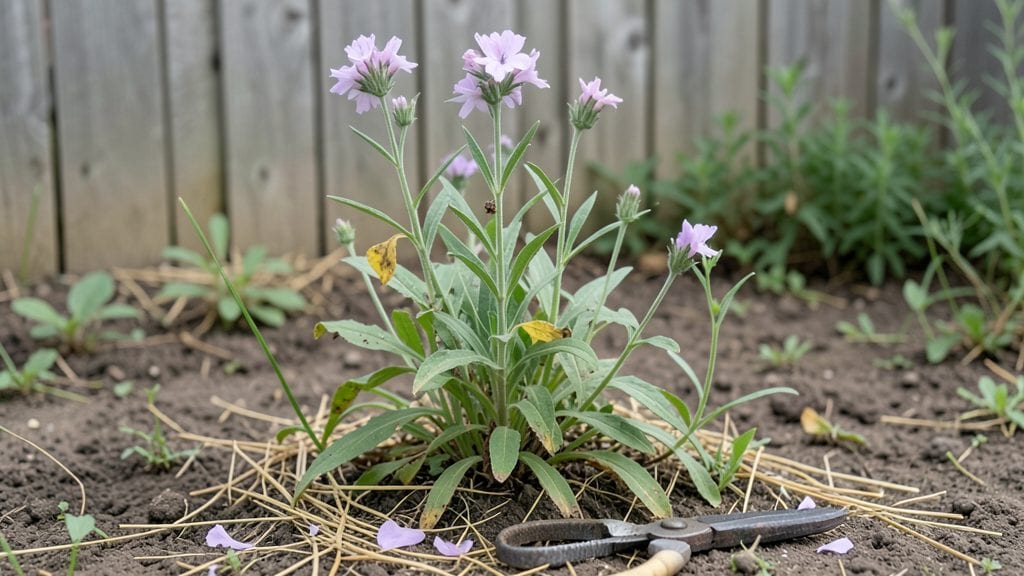
Deadheading stock flowers keeps them blooming for months—it’s the secret to turning a single plant into a nonstop floral show. 🌿 I used to let my stock plants fade after their first flush of blooms, but after mastering this simple technique, they’ve produced flowers from early summer straight through fall.
The key is timing and precision: cut at the right spot, and you’ll trigger new growth that blooms faster than you can say "garden center price tag."
You only need three things: sharp pruners (or clean scissors), a sunny day after blooms start wilting, and about five minutes of your time. Stocks are forgiving—even if you pinch off a few extra buds, the plant will bounce back.
The goal is to remove spent blooms just above a set of healthy leaves, which encourages the plant to redirect its energy into fresh flowers instead of seed production. This works for both tall garden stocks and compact varieties grown in containers.
By midseason, your stock plants will look like they’re on steroids—taller, bushier, and covered in buds. The flowers stay vibrant longer, too, because deadheading removes the old blooms before they turn brown and messy.
You’ll end up with a plant that keeps giving, season after season, without the fuss of constant replanting. The best part? Your neighbors will ask how you keep your stocks looking so fresh—now you can tell them it’s all about those strategic cuts.
This method works for all stock varieties, whether you’re growing them in full sun borders or in pots on your patio. Even if you’ve let a few blooms go to seed, don’t worry—stocks are resilient.
Just snip the old flowers and watch the magic happen. Ready to turn your stock plants into flowering powerhouses? Let’s get started!
📚 In This Guide
- What you need
- Instructions
- Tips and common mistakes
- Wrapping up and next steps
What you need
- ● Pruning shears or scissors: Sharp, clean bypass pruners (or even clean kitchen scissors in a pinch) to make precise cuts. Size: 5-7 inches for easy handling.
- ○ Gloves (optional but recommended): Lightweight gardening gloves to protect your hands from thorns or sticky sap.
- ● Bucket or trash bag: A small container (5+ gallons) to collect spent blooms and debris.
- ● Gardening kneeler or stool: Helps with comfort if your stock flowers are in hard-to-reach spots.
- ● Disinfectant (rubbing alcohol or hydrogen peroxide): Wipe down shears between cuts to prevent disease spread.
- ● Garden twine or labels: If you’re also pruning for propagation, tie cuttings for rooting.
- ● Spray bottle with water: Keeps flowers hydrated post-deadheading on hot days.
- ● Sunscreen & hat: Because even gardeners need to protect their skin! ☀️
How to deadhead stock flowers: revitalize your garden with just 3 simple cuts
Stock flowers stay vibrant longer when you trim them right—here's how to do it effortlessly.
✂️ Step 1: Identify the Right Flowers to Cut
Focus on blooms that have fully opened but are starting to wilt or fade. Stock flowers produce clusters, so you'll often see one or two spent blooms while others remain fresh. I like to work when the flowers are dry but not yet brown—this is the perfect moment to cut. Look for blooms where the petals have flattened or curled inward slightly.
Leave the fresh, fully open flowers on the plant—they'll continue blooming for weeks. If you're unsure which blooms to remove, pinch the faded ones between your fingers. If they crumble easily, they're ready for deadheading. This simple test saves you from cutting too early and accidentally removing healthy blooms.
✂️ Step 2: Use Clean, Sharp Pruners for a Precise Cut
Grab your pruners and make a clean cut just above the first set of healthy leaves below the faded bloom. I aim for a spot where the stem is about ½ inch below the spent flower cluster. This ensures new growth will emerge from a strong node rather than a bare stem.
Don’t use your fingers or scissors—sharp pruners make cleaner cuts that heal faster and reduce the risk of disease. If you don’t have pruners, use clean, sharp garden shears instead of nails or your hands. A jagged cut can leave the plant vulnerable to pests and infections, so precision matters here.
✂️ Step 3: Trim Back to Encourage Bushier Growth
After removing the faded blooms, look for any leggy or overgrown stems. Cut these back by about ⅓ of their length to encourage the plant to branch out and produce more flowers. This is where stock flowers really shine—they’ll respond by filling out and blooming even more abundantly.
I always step back and admire the plant after trimming. You’ll notice how much fuller it looks immediately. For larger clusters, you might need to make 2-3 cuts to shape the plant properly. Just remember: the goal is to remove dead flowers while promoting new growth, not to strip the plant bare.
💧 Step 4: Water and Monitor for New Blooms
After deadheading, give your stock flowers a deep drink of water to help them recover. Water at the base of the plant in the early morning so the foliage has time to dry out during the day. This reduces the risk of fungal issues, which can sneak in through wet leaves.
Within 7-10 days, you should see fresh buds forming where you made your cuts. Watch for new growth emerging from the nodes just below where you trimmed. If you don’t see any activity after two weeks, check the plant’s light and water conditions—stock flowers thrive in full sun and well-draining soil.
Tips & tricks for perfectly deadheaded stock flowers
A few simple tricks will help you keep your stock flowers looking fresh and vibrant for weeks.
Timing Tip: The best time to deadhead stock flowers is in the morning after the dew has dried but before the heat of the day. This gives your plants time to recover and reduces stress from midday sun. I like to work right after watering—it makes the stems easier to see and cut. The morning light also helps you spot faded blooms more clearly, ensuring you don't accidentally remove healthy flowers.
Tool Selection: While pruners are ideal, you can use clean, sharp scissors in a pinch. The key is to make clean cuts rather than tearing the stems. If you don't have either, use your fingernails for small stems—but be gentle to avoid damaging the plant. Just remember, rough cuts slow down healing and can invite pests. For larger clusters, I find that small pruning shears work perfectly and give me more control.
Visual Cue: When making your cuts in Step 2, look for the first set of healthy leaves below the faded bloom. These leaves should be bright green and firm. Cutting just above them (about ½ inch down) ensures new growth will emerge from a strong point. If you cut too low, you might remove the growth point entirely, which can stunt future blooms. Think of it like giving your plant a fresh haircut—you want to leave enough length for new growth to peek through!
Seasonal Strategy: Stock flowers bloom prolifically in late spring and summer, but you can extend their season by deadheading regularly. In cooler months, reduce deadheading to once every two weeks since growth slows down. I've found that plants deadheaded in early spring produce even more abundant blooms later in the season. Just be patient—new growth might take a little longer to appear when temperatures drop.
Pro Tips for Deadhead Stock Flowers
- A few simple tricks will help you keep your stock flowers looking fresh and vibrant for weeks.
- Timing Tip: The best time to deadhead stock flowers is in the morning after the dew has dried but before the heat of the day.
- Tool Selection: While pruners are ideal, you can use clean, sharp scissors in a pinch.
Frequently asked questions
Got questions about deadheading stock flowers? You’re not alone—here are some of the most common ones, answered in a flash! Whether you're a newbie or just looking for a quick refresher, these tips will keep your garden thriving.
What’s the best time of day to deadhead stock flowers?
The ideal time is early morning or late afternoon when temperatures are cooler. This reduces stress on the plant and minimizes the risk of attracting pests. Avoid midday heat—it can shock your stocks and slow their recovery.
Do I need special tools, or can I just use my fingers?
While you can pinch off dead blooms with your fingers, sharp pruners (like bypass pruners) make the job cleaner and faster. For thick stems, tools prevent tearing, which can introduce disease. A small pair of scissors works too if you’re in a pinch!
What if I skip deadheading? Will my stock plants still bloom?
They’ll still produce flowers, but expect fewer blooms and leggy, sparse growth. Deadheading redirects energy to new buds, keeping your stocks lush and prolific. Think of it like giving your plants a little "reset button" for a second (or third!) wave of blooms!
Can I deadhead stock flowers in the rain?
It’s not recommended—wet stems are more prone to disease, and tools can slip. If you must, wait until the foliage dries slightly. Otherwise, save deadheading for dry, calm weather to keep your garden healthy and happy.
How do I know if I’ve cut too much off the stem?
Stop when you see healthy green leaves below the dead bloom. Never cut into the leafy growth—this can stunt your plant. Aim for a clean cut just above a leaf node (the bump where leaves grow). If you’re unsure, err on the side of caution and leave a little extra stem!
Wrapping up and next steps
Deadheading stock flowers is a simple yet powerful way to keep your garden thriving!
By removing spent blooms, you encourage longer flowering seasons, boost plant health, and even prevent pesky seeds from popping up where you don’t want them. 🌸 With just a few cuts and a little consistency, you’ll be rewarded with vibrant, bountiful blooms all season long.
Now that you’re armed with the know-how, grab those shears and get pruning! Start with one section of your garden and watch the difference—your hard work will pay off in stunning, continuous color. Happy gardening! 🌿✨