
Container Gardens
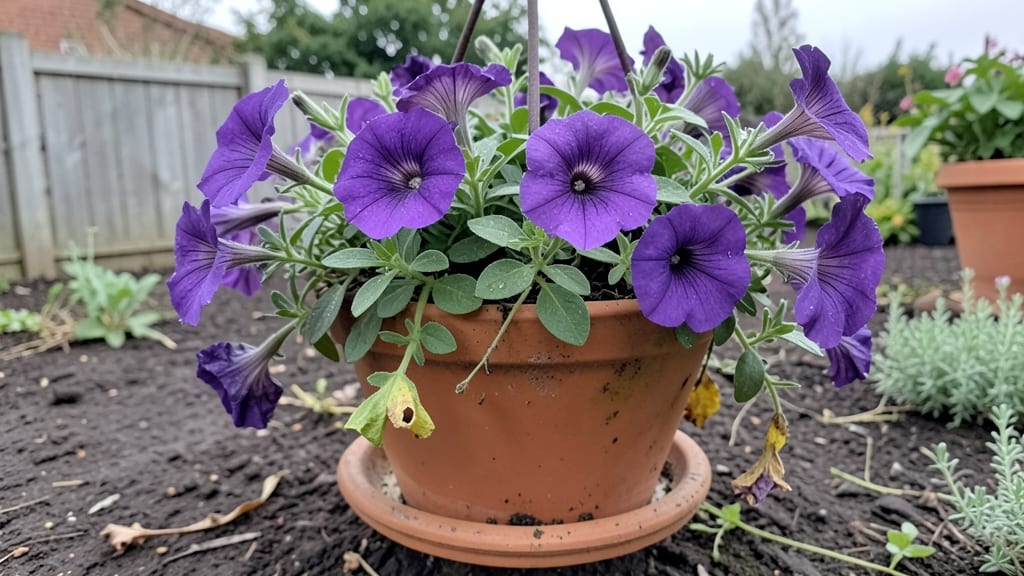
Purple hanging basket flowers turn any patio into a dreamy, jewel-toned retreat. 💜 I’ve filled my own baskets with these showstoppers, and they never fail to draw compliments—especially when they bloom from spring through fall. The key is choosing flowers that cascade beautifully while thriving in the same conditions.
Start with a sturdy basket and a mix of trailing and bushy purple varieties like petunias, lobelias, or fuchsias. These plants love bright light and regular watering, but they’re surprisingly low-maintenance once established. A 5-gallon basket holds enough soil to keep roots happy without weighing you down.
Imagine deep violet petunias spilling over the edges, their velvety blooms contrasting against glossy foliage. With the right care—weekly deadheading and occasional fertilizer—they’ll stay lush and vibrant for months. The best part? You can swap out varieties seasonally for endless color.
Perfect for porches, balconies, or even tree-shaded patios with the right shade-tolerant picks. Let’s get your baskets overflowing with drama!
📚 In This Guide
- What you need
- Instructions
- Tips and common mistakes
- Wrapping up and next steps
What you need
- ● Hanging baskets: 1–3 baskets (12–18 inches in diameter), depending on your space and desired fullness.
- ● Material: Pre-hanging baskets with built-in saucers (plastic, coconut fiber, or metal wire) or DIY wire baskets lined with coco fiber or moss.
- ● Purple flowering plants: Petunias: 3–5 plants per basket (e.g., 'Supertunia,' 'Wave,' or 'Tidal Wave' varieties).
- ● Fuchsias: 2–3 plants (trailing types like 'Giant Marble' or 'Lady Bo-Peep').
- ● Lobelia: 1–2 plants (for delicate cascading effect; 'Crystal Palace' or 'Sapphire' varieties).
- ● Verbena: 2–3 plants (e.g., 'Superbena' or 'Lantana' for heat tolerance).
- ○ Optional fillers: Calibrachoa (1–2 plants) or Begonias (for texture and color contrast).
- ● Potting mix: 1–2 bags of high-quality potting soil (look for a blend labeled for hanging baskets or container gardens).
- ● Add-ins: Perlite or vermiculite (1 part per 4 parts soil) to improve drainage.
- ● Fertilizer: Slow-release granular fertilizer (e.g., Osmocote or Miracle-Gro Shake 'n Feed) or
- ● Liquid balanced fertilizer (10-10-10 or 20-20-20) for weekly feeding.
- ● Tools: Garden trowel or small hand shovel.
- ● Pruning shears (for trimming dead blooms or overgrowth).
- ● Spray bottle (for misting plants during setup).
- ● Measuring cup or scoop (for soil and fertilizer).
- ● Moss or sphagnum peat: To line baskets for moisture retention and a polished look.
- ● Decorative accents: Sheep’s wool, decorative rocks, or spider moss for texture.
- ● Self-watering system: A reservoir kit (e.g., Lechuza baskets) for low-maintenance hydration.
- ● Plant supports: Small stakes or rings for fuchsias if they need extra structure.
- ● Mulch: Pine bark or coconut coir to retain moisture.
Step-by-Step guide to creating stunning purple hanging baskets
Here's how to craft four show-stopping cascades that burst with color and keep blooming all season long.
🪴 Step 1: Select the Right Containers and Liner
Choose 14-inch diameter hanging baskets with sturdy, rust-resistant hardware—your plants will grow heavy with blooms. Line each basket with a coconut fiber liner to retain moisture while allowing excess water to drain. I trim the liner to fit snugly but not tightly; it should still expand slightly as you add soil.
Leave the bottom of the liner open to create a reservoir for water. The liner's natural fibers help roots breathe while preventing soil from spilling through the basket's holes. This setup keeps roots consistently moist without waterlogging, which is crucial for purple bloomers like petunias and lobelias.
🌱 Step 2: Layer Soil and Fertilizer for Optimal Growth
Fill each basket halfway with moistened potting mix, pressing gently to settle it without compacting. Add a handful of slow-release fertilizer granules—about ¼ cup per basket—and mix thoroughly into the top 2 inches of soil. This ensures your purple beauties get a steady nutrient supply without burning delicate roots.
Top with another 2-inch layer of potting mix, leaving space for plants. The fertilizer's slow release matches the blooming season, preventing sudden growth spurts that can overwhelm young plants. Water lightly after adding soil to help it settle and eliminate air pockets that could stunt root development.
☀️ Step 3: Plant Purple Flowers for Maximum Impact
Create a thriving cascade by planting 3-4 trailing plants (like petunias or lobelias) around the basket's edge, spacing them 3-4 inches apart. Nestle their roots into the soil and firm gently. Add 2-3 upright plants (like calibrachoas) in the center to fill the basket's middle layer and provide height contrast.
Water immediately after planting to eliminate air gaps and encourage root contact with soil. The trailing plants will cascade beautifully, while the upright varieties create a lush, full look. Avoid burying stems too deeply—purple flowers often rot if planted too low, so keep them at the same depth they grew in their nursery pots.
💧 Step 4: Water and Feed for Continuous Blooms
Water thoroughly until water runs freely from the basket's bottom—this ensures roots at all levels get moisture. Check soil moisture daily in hot weather; purple flowers wilt quickly when thirsty. I use a self-watering basket system by filling the reservoir after each watering to maintain consistent moisture without overwatering.
Feed with liquid bloom booster fertilizer every 2 weeks during the growing season. Purple flowers respond beautifully to phosphorus-rich feedings, which encourage vibrant blooms. Reduce feeding in late summer to prepare plants for dormancy if your climate turns cool.
✂️ Step 5: Prune and Maintain for All-Season Color
Deadhead spent blooms weekly to encourage continuous flowering. Pinch back leggy stems by ⅓ their length to promote bushier growth and prevent bare spots. I also trim trailing stems if they exceed 24 inches to maintain a neat, cascading shape that doesn't touch the ground.
Rotate baskets quarter-turn weekly so all sides receive even light. Purple flowers grow toward the sun, and rotation prevents lopsided growth. In cooler months, move baskets to protected locations or bring them indoors if frost threatens. With proper care, your purple cascades will remain vibrant from spring through fall.
Tips & tricks for stunning purple hanging baskets
Between us, these small details make all the difference between a basket that looks good and one that thrives all season.
Liner Fit Matters: Don't just stuff that coconut fiber liner into your 14-inch basket! Trim it to fit snugly but leave room for expansion as you add soil. The liner should sit about 1 inch below the basket's rim to create proper drainage while still holding moisture. I've seen baskets where the liner was too tight—soil couldn't settle properly, and roots got waterlogged. The open bottom creates that crucial reservoir system that keeps purple bloomers hydrated without drowning them.
Soil Layering Secret: When you're creating those two 2-inch layers of potting mix in Step 2, resist the urge to pack them down tightly. Press gently to settle, but leave some air pockets—roots need oxygen too. The top layer should be loose enough to easily accommodate your plants' roots without compacting them. I learned this the hard way after watching calibrachoas struggle to establish in overly dense soil.
Plant Placement Strategy: For that perfect cascading effect, arrange your 3-4 trailing plants in a circular pattern around the basket's edge, not just clustered on one side. This creates an even, symmetrical spillover when they mature. The upright plants in the center should be slightly higher than the trailing ones to provide that dramatic height contrast. I like to stagger them so no single stem dominates the visual.
Watering Wisdom: That thorough watering in Step 4 isn't just about getting water to run freely from the bottom—it's about creating a saturation point. After watering, let the basket sit for 5 minutes, then check the liner's reservoir. It should be about half full of water that's been drawn up by capillary action. This method ensures your purple flowers get consistent moisture without the risk of root rot from overwatering.
Pro Tips for Hanging Basket Flowers Purple
- Between us, these small details make all the difference between a basket that looks good and one that thrives all season.
- Liner Fit Matters: Don't just stuff that coconut fiber liner into your 14-inch basket!
- Soil Layering Secret: When you're creating those two 2-inch layers of potting mix in Step 2, resist the urge to pack them down tightly.
Frequently asked questions
Got questions about creating stunning purple hanging basket displays? You’re not alone!
Here are answers to the most common queries—from planting tips to troubleshooting—so your cascading blooms stay vibrant and healthy all season.
What’s the best time to plant purple hanging basket flowers?
For most purple varieties (like petunias, fuchsias, or lobelias), plant in early spring after the last frost (typically April–May in most U.S. zones). If using annuals, start seeds indoors 6–8 weeks before the last frost for a head start. Pro tip: For a fall display, plant in late summer (August) for blooms through autumn!
How often should I water my purple hanging baskets?
Watering is critical—hanging baskets dry out fast! Check soil moisture daily in hot weather; water thoroughly until it drains from the bottom. Morning watering prevents evaporation and fungal issues. Mulch the top with orchid bark or coconut coir to retain moisture. Overwatering? Yellow leaves or soggy soil mean reduce frequency!
Can I mix purple flowers with other colors for a bold look?
Purple pairs beautifully with white, pink, or silver foliage for contrast. Try:
- Petunias (purple) + calibrachoa (white) + helichrysum (silver)
- Fuchsias (magenta) + lobelia (blue) + d dusty miller (gray)
Why are my purple flowers wilting or dropping leaves?
Wilting or leaf drop usually signals one of three issues:
- Underwatering: Soil feels bone-dry; flowers droop but perk up after water.
- Overwatering: Yellow leaves + mushy stems = root rot. Let soil dry slightly between waterings.
- Pests: Check for aphids or spider mites on undersides of leaves. Spray with neem oil if needed.
Are there perennial purple hanging basket flowers for year-round color?
Most purple hanging flowers are annuals, but these perennials offer long-term color (in suitable climates):
- Heather (Calluna): Thrives in partial shade; blooms fall–winter.
- Cyclamen (hardy types): Prefers shade; blooms late winter–spring.
- Ivy (Hedera helix ‘Glacier’): Evergreen foliage + tiny purple flowers in fall.
Wrapping up and next steps
Transforming your space with stunning purple hanging basket flowers is easier—and more rewarding—than you think! Whether you’re drawn to the bold drama of Petunia ‘Supertunia’ or the delicate charm of Lobelia ‘Crystal Palace’, these cascading beauties bring year-round color with minimal fuss.
Remember: consistent care (watering, pruning, and seasonal swaps) is key to keeping your baskets thriving.
Now that you’re armed with the perfect purple picks and pro tips, it’s time to get planting! Grab your baskets, gather your friends, and turn your patio, balcony, or porch into a lush, purple paradise. Ready to start? Check out our step-by-step guide to hanging basket success—or share your blooming masterpiece with us! 🌸✨