
Shrubs
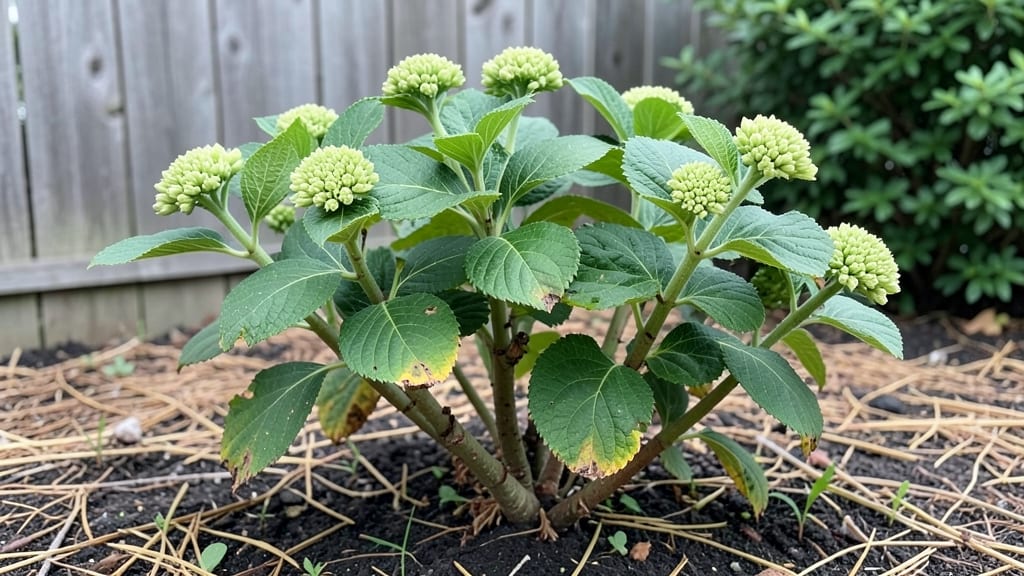
Growing a green flowering hydrangea that stays vibrant all year isn’t just possible—it’s easier than you think. ✨ I’ve had mine turn heads in winter with lush, chartreuse blooms that refuse to fade, and the secret lies in understanding their light, soil, and pruning quirks.
These shrubs thrive in partial shade, where morning sun warms the leaves but afternoon shade prevents scorching. The soil needs to stay consistently moist but well-draining—think rich, organic matter mixed with perlite to keep roots happy.
Most gardeners overlook pruning timing, but cutting back in late winter (before buds swell) guarantees bigger, brighter blooms.
You’ll end up with glossy foliage and clusters of green blooms that last from early summer through frost. The foliage even turns subtle shades of red or purple in fall, adding another layer of color.
With the right care, your hydrangea becomes the showstopper of the garden, not just in summer.
Works beautifully in containers or as a focal point in borders. Here’s how to keep yours thriving through every season—no guesswork, just results.
📚 In This Guide
- What you need
- Instructions
- Tips and common mistakes
- Wrapping up and next steps
What you need
- ● Green flowering hydrangea plants: 1–3 mature shrubs (depending on desired size; Hydrangea quercifolia or Hydrangea paniculata varieties work best for lush green blooms).
- ○ Optional: Bare-root or potted plants (check for healthy stems and buds!).
- ● Well-draining soil: 5–10 bags (20–40 lbs each) of organic compost or peat moss to amend clay or sandy soil.
- ● 1–2 bags of perlite or coarse sand (for improving drainage in heavy soil).
- ● Fertilizer: 1 lb of balanced, slow-release fertilizer (10-10-10 or 20-20-20) or 1–2 lbs of organic fertilizer (like fish emulsion or bone meal).
- ● Mulch: 2–3 cubic feet of wood chips or shredded bark mulch (to retain moisture and regulate soil temp).
- ● Tools: 1 garden trowel or shovel (for digging).
- ● 1 pruning shears (sterilized with rubbing alcohol).
- ● 1 watering can or hose with a gentle spray nozzle.
- ● 1 garden gloves (to protect your hands!).
- ○ Optional: Soil pH test kit (to check acidity; hydrangeas prefer slightly acidic soil, pH 5.2–6.2).
- ● A sunny to partially shaded spot (6+ hours of sunlight for H. paniculata; dappled shade for H. quercifolia).
- ● Access to consistent watering (1–2 inches per week, especially during dry spells).
- ● Pro tip: If your soil is alkaline, add sulfur or aluminum sulfate (follow package instructions) to encourage vibrant green blooms! 💡
Step-by-step instructions for cultivating lush green flowering hydrangeas
Here’s how to coax vibrant green blooms from your hydrangeas all year—no fancy tricks, just smart care.
🌱 Step 1: Choose the Right Location and Soil
Green flowering hydrangeas thrive in partial shade, with morning sun and afternoon shade—think dappled light under tall trees. I always plant mine where they get 4-6 hours of sunlight daily, but never scorching afternoon rays. The soil should drain well but stay moist, so amend heavy clay with 2-3 inches of compost before planting.
Dig a hole twice as wide as the root ball but only as deep. This encourages roots to spread outward instead of settling too low. Gently loosen the roots if they’re circling—hydrangeas hate root-bound stress. Place the plant so the top of the root ball sits 1 inch below soil level for stability.
💧 Step 2: Water Deeply and Mulch for Moisture Retention
Water the newly planted hydrangea deeply right after planting, soaking the soil to a depth of 12 inches. You’ll know it’s enough when water runs out the drainage holes if potted, or when the top 6 inches of soil feel damp. After that, water 2-3 times per week until established—aim for 1-1.5 gallons per watering for mature shrubs.
Spread 3 inches of mulch (like shredded bark) around the base, keeping it 3 inches away from the trunk. This locks in moisture and keeps roots cool. I check soil moisture by sticking my finger 2 inches deep—if it’s dry, it’s time to water. Overwatering is the fastest way to smother roots, so let the top layer dry slightly between sessions.
☀️ Step 3: Prune for Shape and Encourage Blooms
Prune green hydrangeas right after flowering (late summer) to shape the shrub and encourage next year’s blooms. Cut back one-third of the oldest stems to the ground—these are the ones that flowered this year. Leave the newer growth untouched; it’ll bloom next season. Use clean, sharp pruners to avoid tearing stems, and make cuts just above a leaf node or bud.
If your hydrangea looks leggy, trim back the longest stems by half to promote bushier growth. Never prune in fall or winter—you’ll cut off next year’s flower buds. After pruning, give the plant a light fertilizer (like 10-10-10) to support new growth, but skip heavy feeding in late summer to avoid tender new shoots that won’t survive winter.
✂️ Step 4: Protect and Maintain Through Seasons
In winter, mound 4-6 inches of mulch around the base to insulate roots from freezing. I also wrap young plants in burlap if temps drop below 10°F—hydrangeas are tough but not frost-proof. In spring, remove the mulch gradually as new growth appears, and water once a week if rainfall is light.
Watch for yellowing leaves—this usually means too much sun or overwatering. Move the plant if leaves scorch, or let the soil dry out slightly before watering again. Deadhead spent blooms in early fall to redirect energy to root growth for next year. With consistent care, your green hydrangea will reward you with bold, long-lasting color from spring through frost.
Tips & tricks for perfect green flowering hydrangeas
These simple strategies will help you keep your hydrangeas thriving and vibrant all year long.
Location and Soil Secrets: When selecting your planting spot, pay close attention to the 4-6 hours of sunlight requirement. I've learned the hard way that even a few extra hours of afternoon sun can cause leaf scorch. Look for areas with natural afternoon shade from trees or buildings. For the 2-3 inches of compost, I recommend using a mix of well-rotted compost and peat moss to improve drainage while retaining moisture. This combination works wonders for hydrangeas.
Watering Wisdom: The key to watering is consistency—hydrangeas hate moisture extremes. After that initial deep watering to 12 inches, stick to the 2-3 times per week schedule until you see new growth. I've found that watering in the morning gives the roots plenty of time to absorb moisture before the heat of the day. For potted hydrangeas, always check the 6-inch soil depth before watering again.
Pruning Precision: Timing is everything when pruning green hydrangeas. I can't stress enough how important it is to prune right after flowering in late summer. This timing ensures you're cutting back stems that have already bloomed while leaving next year's flower buds intact. When cutting back one-third of the oldest stems, look for stems that are thicker and have already produced blooms this season. Use clean pruners and make cuts just above a leaf node or bud.
Winter Protection: When temperatures drop below 10°F, take extra precautions for young plants. I wrap them in burlap and mound 4-6 inches of mulch around the base. For established plants, the mulch alone usually suffices. Remember to remove the mulch gradually in spring as new growth appears. This slow transition helps prevent shock to the roots.
Pro Tips for Green Flowering Hydrangea
- These simple strategies will help you keep your hydrangeas thriving and vibrant all year long.
- Location and Soil Secrets: When selecting your planting spot, pay close attention to the 4-6 hours of sunlight requirement.
- Watering Wisdom: The key to watering is consistency—hydrangeas hate moisture extremes.
Frequently asked questions
Got questions about keeping your green flowering hydrangea thriving?
You’re not alone! Here are answers to the most common queries—from care tips to troubleshooting—so you can enjoy lush, vibrant blooms year-round.
Why are my green flowering hydrangea leaves turning yellow?
Yellowing leaves often signal overwatering or poor drainage. Ensure your hydrangea is planted in well-draining soil and water only when the top 1-2 inches feel dry. Check for root rot by gently lifting the plant—mushy, dark roots mean it’s time to adjust your watering routine.
When is the best time to prune green flowering hydrangea?
Prune right after flowering (late summer to early fall) to encourage next year’s blooms. Avoid pruning in spring—this removes potential flower buds! Use clean, sharp shears to trim back overgrown stems by about ⅓, but never cut into old wood. Pro tip: Deadhead spent blooms to redirect energy to new growth.
Can green flowering hydrangeas survive winter in cold climates?
Yes! These hardy shrubs tolerate USDA Zones 5-9. Mulch the base with 2-3 inches of organic material (like shredded leaves or straw) after the first frost to insulate roots. For extra protection in Zone 5, wrap the plant in burlap or use a frost blanket.
How do I make my green flowering hydrangea bloom more?
Boost blooms with balanced fertilizer (10-10-10) in early spring, then again after flowering. Ensure full sun to partial shade (4-6 hours daily) and consistent moisture. Prune lightly to encourage airflow—crowded stems can reduce flowering.
What’s a good alternative if my hydrangea isn’t thriving?
Try Oakleaf Hydrangea (for drought tolerance) or Panicle Hydrangea (hardier, longer blooms). Both offer lush greenery and flowers with less fuss. If soil drainage is an issue, consider container gardening with a mix of perlite and compost.
Wrapping up and next steps
Transforming your garden into a lush, year-round retreat with green flowering hydrangeas is easier than you think! 🌿 These vibrant shrubs thrive with the right care—whether you’re adjusting soil pH, pruning at the perfect time, or protecting them from pests.
With a little patience and the tips shared here, you’ll enjoy their stunning blooms and lush foliage for seasons to come.
Ready to give your hydrangeas the love they deserve? Start small—try one of the care tips today! Whether it’s testing your soil or adding mulch, every step brings you closer to a garden that’s as healthy as it is beautiful. Happy gardening! 🌸