
Pruning
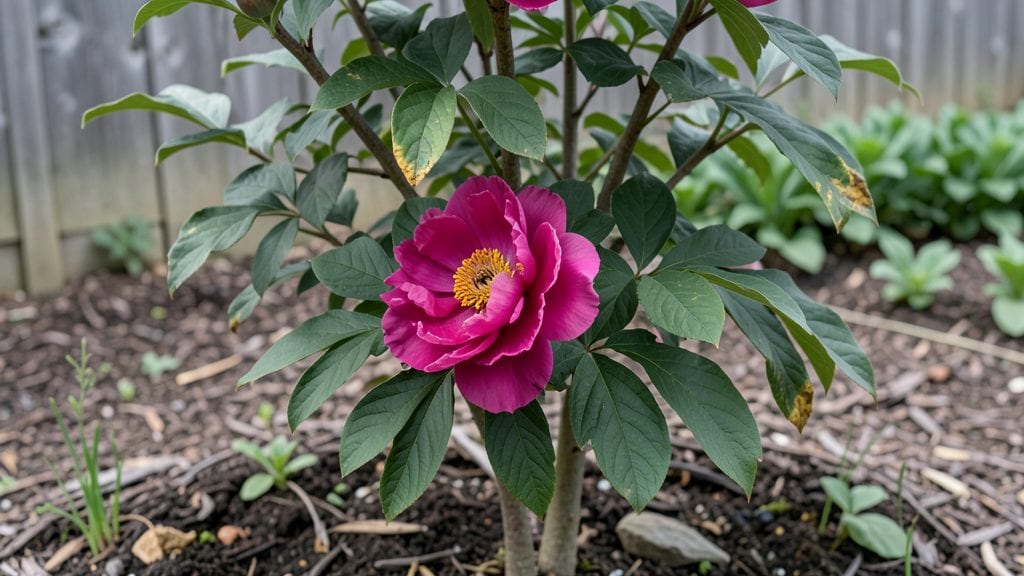
Growing a flowering peony tree is like cultivating a living work of art—those lush, papery blooms in shades of pink, red, and white are worth every minute of care. 🌸 I’ve learned that the key to their legendary beauty lies in understanding they’re not true trees but sturdy shrubs with thick stems, and treating them like delicate perennials guarantees disappointment.
These plants thrive with patience, the right spot, and a few pruning tricks that keep them blooming for decades.
The secret starts with planting them in full sun with well-draining soil that’s rich in organic matter. Most gardeners overlook soil prep, but peonies reward good drainage with fewer diseases and stronger stems.
Water them deeply once a week after establishment, but avoid soggy roots—they’ll protest with yellow leaves or floppy stems. Once settled, these plants are surprisingly low-maintenance, but pruning makes all the difference in bloom quantity and size.
When you prune correctly, you’ll see three to five times more blooms the following season. The magic happens in late winter or early spring, just as new growth begins—cutting back old wood encourages fresh, vigorous shoots.
I’ve seen firsthand how a single sharp cut can transform a sparse shrub into a flowering powerhouse. The blooms themselves are heavy, so sturdy stems prevent them from drooping into the grass.
This isn’t just a plant for experts—even beginners can master it. The real payoff comes in 5 to 7 years, when a well-cared-for peony tree becomes the centerpiece of your garden. Let’s get into the specifics so you can enjoy those velvety blooms for seasons to come.
📚 In This Guide
- What you need
- Instructions
- Tips and common mistakes
- Wrapping up and next steps
What you need
- ● Pruning shears: Sharp, bypass-style shears (4–6 inches) for clean cuts on smaller branches.
- ● Loppers: Bypass loppers (8–10 inches) for thicker branches (½–1½ inches in diameter).
- ● Hand pruners: Anvil-style for stubborn, woody stems (but avoid crushing tender peony branches!).
- ● Disinfectant: 70% isopropyl alcohol or a pruning sealant (like Tanglefoot Pruning Seal) to prevent disease spread.
- ● Gloves: Garden gloves (nitrile-coated for grip and protection from thorns).
- ● Pruning saw: Curved-tooth saw (for branches >1½ inches thick—though peony trees rarely need this!).
- ○ Marking twine or flags: Colored twine or plastic tags to label branches for removal (optional but helpful!).
- ● Hose or bucket: For rinsing tools between cuts to prevent sap buildup.
- ● Safety glasses: Protect your eyes from flying debris (especially if your peony tree is near a road!).
- ● Tree bag or tarp: To collect fallen branches or debris for easy cleanup.
- ● Pruning guide: A branching diagram or peony-specific pruning chart for reference.
Instructions for pruning flowering peony trees
Here’s how to keep your peony tree thriving with minimal effort and maximum blooms.
✂️ Step 1: Time Your Pruning Precisely
Prune your flowering peony tree immediately after it finishes blooming in late spring to early summer. This ensures you don’t cut off next year’s flower buds, which form on old wood during the previous growing season. If you prune too early, you risk removing buds before they develop. If you wait too long, you encourage leggy growth and reduce next year’s blooms.
Watch for the flowers to fade completely and the foliage to start yellowing—this is your signal. Use sharp, clean pruners to make cuts at a 45-degree angle, about ¼ inch above a leaf node or outward-facing bud. This promotes better healing and directs new growth outward for a fuller tree.
✂️ Step 2: Remove Dead, Diseased, or Weak Wood
Start by inspecting the tree for branches that are dead, diseased, or crossing. Dead wood appears brittle and dark, while diseased branches may show discoloration, mold, or unusual spots. Remove these first—they sap energy from healthy growth. Cut back to the main trunk or a healthy lateral branch, ensuring your cut is smooth and clean.
Next, thin out any branches that are rubbing against each other or growing inward. This improves airflow and sunlight penetration, reducing the risk of fungal diseases. Aim to remove no more than 25% of the tree’s foliage in a single pruning session—over-pruning stresses the tree and can limit blooms.
✂️ Step 3: Shape for Balance and Airflow
Step back and assess the tree’s overall shape. Flowering peony trees naturally grow in a rounded form, so avoid aggressive shaping. Instead, focus on lightly thinning the center to allow sunlight to reach inner branches. This prevents the tree from becoming too dense, which can lead to crowded, weak growth.
Use your pruners to shorten overly long branches by about one-third, cutting just above a bud that faces outward. Avoid cutting back to bare wood—peony trees bloom on old wood, so preserve as much of the previous year’s growth as possible. If a branch is too leggy, you can also pinch back new growth in early summer to encourage bushier, more compact growth.
⏰ Step 4: Clean Up and Monitor Growth
After pruning, rake up and dispose of all clippings—never leave them on the ground, as they can harbor disease. Sterilize your pruners with rubbing alcohol between cuts to prevent spreading pathogens. Water the tree deeply to help it recover, especially if you’ve made significant cuts.
Over the next few weeks, keep an eye on the tree’s response. Healthy new growth should appear within 2-3 weeks, and you’ll notice stronger, more vibrant blooms next season. If you see any signs of stress—like wilting leaves or stunted growth—reduce watering slightly and avoid fertilizing until the tree shows signs of recovery.
Tips & tricks for perfect flowering peony pruning
Mastering the art of peony tree pruning transforms your garden from good to spectacular—here’s how to avoid common mistakes and maximize those show-stopping blooms.
The Timing Secret: Late spring to early summer is your golden window, but don’t guess—wait until flowers fade completely and foliage starts yellowing. I’ve learned this the hard way: pruning too early risks cutting off next year’s buds (which form on old wood), while waiting too long encourages leggy growth. Mark your calendar for when your peony blooms finish, then prune within 1-2 weeks after they’ve fully faded. This precise timing ensures you preserve next season’s potential while maintaining the tree’s health.
Cutting Technique That Changed Everything: The 45-degree angle cut about ¼ inch above an outward-facing bud isn’t just arbitrary—it’s the difference between a bushy, blooming tree and one that grows inward. I used to make straight cuts, and my peonies developed dense centers that blocked sunlight. Now, I visualize each cut directing growth outward, creating that perfect rounded shape. Use sharp pruners to make clean cuts—dull blades crush stems and invite disease. For stubborn branches, make two cuts: first at the desired length, then a second cut just outside the branch collar.
Pruning Strategy for Maximum Blooms: Remember the 25% rule—never remove more than a quarter of the foliage in one session. I once over-pruned my peony in a single go, and it took two seasons to recover. Focus on removing dead, crossing, or diseased branches first, then thin the center to improve airflow. For leggy branches, shorten them by one-third rather than cutting them back drastically. This approach maintains the tree’s energy reserves while encouraging stronger new growth. The goal is balance: enough light penetration to prevent disease, but not so much that you stress the tree.
Post-Pruning Recovery Hack: After you’ve finished cutting, don’t just toss those clippings—they can harbor disease. Rake them up and dispose of them properly. I sterilize my pruners between cuts with rubbing alcohol to prevent pathogen spread. Then, water the tree deeply to help it recover, especially if you’ve made significant cuts. Within 2-3 weeks, you should see fresh new growth emerging. If you notice wilting leaves or stunted growth, ease up on watering and avoid fertilizing until the tree shows signs of recovery. This careful attention to the tree’s response after pruning is what separates thriving peonies from struggling ones.
Pro Tips for Flowering Peony Tree
- Mastering the art of peony tree pruning transforms your garden from good to spectacular—here’s how to avoid common mistakes and maximize those show-stopping blooms.
- The Timing Secret: Late spring to early summer is your golden window, but don’t guess—wait until flowers fade completely and foliage starts yellowing.
- Cutting Technique That Changed Everything: The 45-degree angle cut about ¼ inch above an outward-facing bud isn’t just arbitrary—it’s the difference between a bushy, blooming tree and one that grows inward.
Frequently asked questions
Got questions about your flowering peony tree? You’re not alone! Here are some of the most common queries—plus quick, actionable answers to keep your tree thriving and blooming beautifully.
When is the best time to prune a flowering peony tree?
Prune your Paeonia tree immediately after flowering (late spring to early summer). Avoid pruning in fall or winter, as this can stimulate new growth that may be damaged by frost. Light shaping can be done in early spring, but avoid heavy cuts—peony trees bloom on old wood, so less is more!
How much can I trim back my peony tree?
Never remove more than 1/3 of the tree’s height in a single pruning session. For most varieties, a 5–10% reduction of the previous year’s growth is ideal. Focus on dead, crossing, or weak branches first. Over-pruning can stress the tree and reduce next year’s blooms—think of it as a haircut, not a haircut!
Why aren’t my peony tree flowers opening fully?
If buds form but refuse to open, it’s often due to overcrowding, poor air circulation, or disease (like botrytis). Thin out dense branches to improve airflow, and avoid overhead watering. Deadhead spent blooms promptly to redirect energy to new growth. If the issue persists, check for pests like peony sawfly larvae—handpick them or use neem oil.
Can I grow a flowering peony tree in a container?
Yes, but choose dwarf varieties like ‘Karl Rosenfield’ or ‘Coral Charm.’ Use a large pot (at least 18–24 inches wide) with drainage holes and a well-draining soil mix. Containers dry out faster, so water deeply 2–3 times per week in summer. Move pots to partial shade in hot climates to prevent stress. Just remember: Container-grown trees may need annual repotting to prevent root bind.
How do I protect my peony tree from winter damage?
Peony trees are hardy to USDA Zones 3–8, but young trees or tender varieties benefit from winter care. Apply a 2–3 inch layer of mulch around the base (but not touching the trunk) after the ground freezes. For extreme cold (<10°F), wrap the tree in burlap or use a tree guard. Avoid heavy snow buildup—gently brush it off to prevent branch breakage.
What if my peony tree isn’t blooming at all?
No blooms? Check these fixes:
- Age: Trees under 3–5 years may still be establishing roots.
- Light: Ensure it gets 6+ hours of sun daily—peonies need full sun to flower.
- Soil: Amend heavy clay or sandy soil with compost for better nutrients.
- Fertilizer: Apply a balanced, low-nitrogen fertilizer (like 10-10-10) in early spring.
- Dormancy: If you’ve pruned in fall/winter, this can delay blooming.
Wrapping up and next steps
The flowering peony tree is a stunning addition to any garden, and with the right pruning techniques, you can enjoy longer, healthier blooms for years to come! 🌸 By understanding when and how to trim—whether it’s the late winter/early spring shaping or the post-bloom cleanup—you’ll keep your tree thriving and full of vibrant flowers.
Now that you’re armed with the secrets, grab those pruners and give your peony tree the care it deserves! For extra inspiration, explore our guide on seasonal garden maintenance to keep your outdoor space flourishing all year round.