
Tools
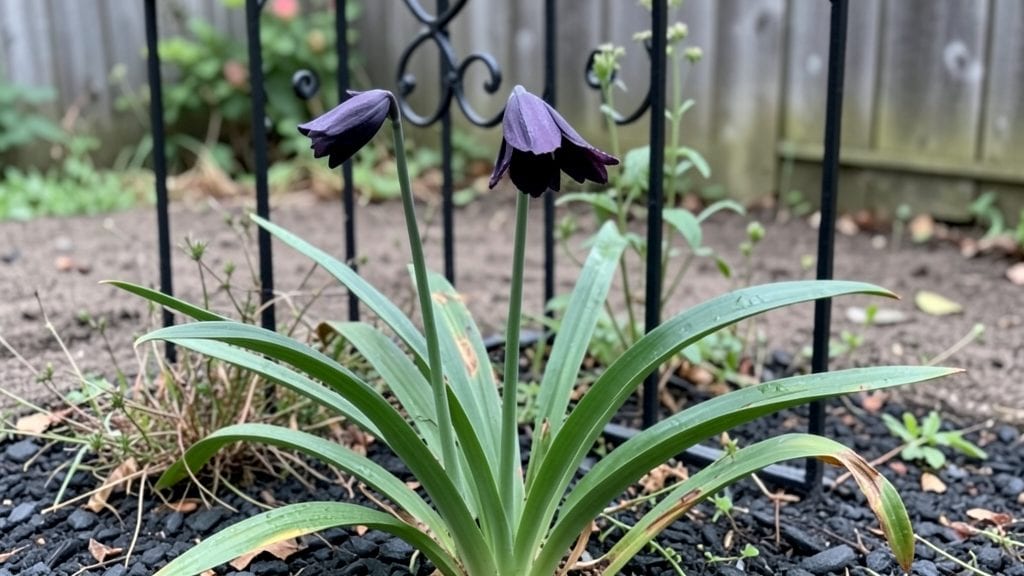
Creating a gothic flower garden turns your yard into a living dark romance novel. 🌿 I stumbled upon this design after craving something more dramatic than my usual cottage garden—something with deep shadows, velvety textures, and a touch of mystery.
The key isn’t just black flowers (though they’re stunning), but the way light plays across layered foliage and weathered stone.
Start with plants that whisper drama: thorny roses, bleeding hearts with their ghostly white blooms, and the striking Dracunculus vulgaris—its purple-black spadix looks like something from a gothic painting. Pair them with wrought iron trellises draped in ivy or moss-covered statues that seem to emerge from the earth itself.
Gravel paths and a small fountain add to the eerie elegance, making every corner feel like a secret garden.
What you’ll end up with is a space that feels alive with history, where every petal and shadow tells a story. The maintenance is simple—just prune regularly to keep the shapes dramatic and mulch to preserve that moody, earthy look.
Even in full sun, the deep colors hold their intensity, and the scent of night-blooming jasmine adds an extra layer of enchantment.
This style works in any yard size, from a small courtyard to a sprawling backyard. The trick is balancing bold plants with just enough open space to let the light dance across the scene. Here’s how to bring that gothic allure to life without losing the soul of your garden.
📚 In This Guide
- What you need
- Instructions
- Tips and common mistakes
- Wrapping up and next steps
What you need
- ● Dark-leaved plants (5–10 varieties): Black mondo grass (Ophiopogon planiscapus 'Nigrescens') – 3–5 clumps
- ● Purple smoke bush (Cotinus coggygria 'Royal Purple') – 1–2 mature shrubs
- ● Heuchera ('Palace Purple' or 'Lime Rickey') – 6–8 plants
- ● Black mondo grass ('Black Scallop') – 3–5 plants
- ● Dramatic blooms (3–5 varieties): Black calla lilies (Zantedeschia 'Black Star' or 'Black Magic' ) – 3–5 tubers
- ● Dark red roses ('Black Baccara' or 'Velvet Noir') – 3–5 bushes
- ● Thorny roses ('Souvenir de la Malmaison') – 1–2 climbers
- ● Deep purple statice (Limonium 'Purpureum' ) – 10–15 stems
- ● Gardening basics: Trowel (stainless steel) – 1
- ● Pruners (bypass, sharp) – 1 pair
- ● Garden gloves (heavy-duty) – 1 pair
- ● Wheelbarrow or bucket – 1 (for hauling soil)
- ● Decorative & structural: Wrought-iron trellises or arches (black or aged bronze) – 1–2
- ● Stone or concrete garden ornaments (gargoyles, urns, crosses) – 2–4
- ● Black or dark gray gravel (½ cubic yard)
- ○ Moss or Spanish moss (optional, for texture) – 1–2 bags
- ● Location: Partial to full shade (4+ hours of dappled light ideal)
- ● Soil: Well-draining, slightly acidic (pH 6.0–6.5); amend with peat moss or compost
- ○ Optional mood enhancers: Fog machine (for dramatic effect) – 1
- ● Solar-powered fairy lights (black or deep red) – 1 string
- ● Vintage lanterns or candelabras – 2–3
How to create a gothic flower garden with moody foliage
Here's how to craft a hauntingly beautiful garden that thrives on drama and texture.
🌿 Step 1: Select Dark, Dramatic Plant Varieties
Start with plants that embody gothic romance: deep purples, velvety blacks, and rich burgundies. My go-to choices include black batswing heuchera for its ebony foliage, purple smoke bush for its smoky purple blooms, and Queen of Night tulips for their striking dark petals. These plants create a moody palette that feels like a secret garden straight out of a gothic novel.
Add moonflower vine for its silvery foliage and night-blooming white flowers, and crimson spider lilies for their striking red blooms that appear in late summer. These varieties provide both color and texture, ensuring your garden feels rich and layered. I always include at least one silver foliage plant like lamb's ear or dusty miller to contrast the darker hues and add visual interest.
🪴 Step 2: Plan Your Layout for Maximum Drama
Arrange plants in odd-numbered groupings—threes or fives—to create a sense of mystery and balance. Place taller plants like purple smoke bush or black bamboo at the back of the garden to draw the eye upward, while lower-growing plants like heuchera or coral bells can spill over edges for a cascading effect. This layering adds depth and makes the space feel intentional and immersive.
Incorporate dark mulch like shredded bark or black gravel to unify the color scheme and suppress weeds. I like to outline pathways with low-growing boxwood or dark purple creeping thyme to create a defined, almost secretive border. Avoid straight lines—curved pathways and asymmetrical plantings enhance the gothic feel.
☀️ Step 3: Provide the Right Light and Soil Conditions
Most gothic garden plants thrive in partial to full shade, making them perfect for woodland edges or north-facing gardens. Ensure your chosen location receives at least 4-6 hours of dappled sunlight daily—too much direct sun can fade the deep colors, while too little shade will stunt growth. Test the light conditions for a few weeks before planting to confirm the spot is ideal.
Amend the soil with compost to improve drainage and fertility, as many dark-leaved plants prefer well-draining, slightly acidic soil. I mix in a slow-release organic fertilizer at planting time to give the roots a strong start. Gothic gardens often include acid-loving plants like hydrangeas or azaleas, so a soil pH test can help you adjust the environment if needed.
💧 Step 4: Water and Maintain for Long-Lasting Drama
Water deeply once or twice a week, depending on rainfall, to encourage strong root growth. Dark foliage plants often have thicker leaves that retain moisture, but they still need consistent hydration—especially during dry spells. I water in the early morning to reduce evaporation and prevent fungal issues. Let the top inch of soil dry out between waterings to avoid soggy roots.
Prune leggy or overgrown branches in late winter or early spring to maintain the garden’s structured yet wild appearance. Remove spent blooms promptly to encourage new growth, but leave some seed heads for texture and winter interest. I also add ornamental grasses like black mondo grass or purple fountain grass for movement and contrast—just be sure to cut them back in early spring before new growth appears.
✂️ Step 5: Add Gothic Accents for Extra Atmosphere
Incorporate iron garden ornaments, like twisted metal trellises or weathered statues, to enhance the gothic vibe. I place black metal arbors near climbing roses or clematis for a dramatic focal point. Add flickering LED candles or solar-powered fairy lights to create a magical evening glow—these details make the garden feel alive even after dark.
Scatter dark gravel or slate chips around plants to mimic a moonlit forest floor. For a touch of whimsy, tuck in glass bottles filled with moss or antique keys half-buried in the soil. These accents don’t just decorate—they tell a story, inviting visitors to imagine the garden’s secrets. A well-placed wrought-iron bench or stone fountain completes the scene, offering a place to sit and soak in the atmosphere.
Tips & tricks for perfect gothic flower garden design
A few key strategies will help you transform your garden into a hauntingly beautiful gothic retreat that feels intentional and immersive.
Plant Selection Wisdom: When choosing your dark foliage plants, look for varieties with deep, velvety textures like black batswing heuchera or Queen of Night tulips. I always select plants with slightly fuzzy or waxy leaves—they hold their rich colors better in full sun and have that extra gothic texture. For contrast, pair these with silver foliage plants like lamb's ear, but don't overdo it—keep the ratio about 80% dark plants to 20% silver for maximum drama.
Layering for Depth: In Step 2, when arranging your plants, think vertically as much as horizontally. I like to create three distinct layers: tall back plants (like purple smoke bush), mid-height plants (such as heuchera), and low-growing ground covers (like dark purple creeping thyme). This creates that mysterious, layered look that makes gothic gardens feel so immersive. Remember, odd-numbered groupings (threes or fives) create better visual balance than even numbers.
Soil Preparation Secret: Before planting, I always do a soil test to check the pH—most gothic garden plants prefer slightly acidic soil (around 6.0-6.5). If your soil is too alkaline, you can amend it with peat moss or sulfur. Also, mix in a handful of slow-release organic fertilizer at planting time—this gives your plants a strong nutritional foundation without the risk of over-fertilizing. The key is to create that rich, dark soil that complements your dark foliage.
Maintenance Timing: The late winter/early spring pruning mentioned in Step 4 is crucial for maintaining that structured yet wild appearance. I always prune just as new growth begins to appear—this encourages fuller, bushier plants. For ornamental grasses like black mondo grass, cut them back when they're completely dormant (usually in late winter) to make room for fresh new growth. This timing keeps your garden looking intentional rather than overgrown.
Pro Tips for Gothic Flower Garden
- A few key strategies will help you transform your garden into a hauntingly beautiful gothic retreat that feels intentional and immersive.
- Plant Selection Wisdom: When choosing your dark foliage plants, look for varieties with deep, velvety textures like black batswing heuchera or Queen of Night tulips.
- Layering for Depth: In Step 2, when arranging your plants, think vertically as much as horizontally.
Frequently asked questions
Got questions about creating your own gothic flower garden? Here are some of the most common ones—plus answers to help you craft a hauntingly beautiful space with confidence!
What are the best flowers for a gothic garden?
A gothic garden thrives on dark, moody blooms like black calla lilies, velvet-black dahlias, deep purple irises, and ebony basil. Don’t forget thorny roses (like ‘Bourbon’ or ‘Damask’) and bleeding hearts for drama. Pair them with silver foliage like lamb’s ear or heuchera for contrast.
When is the best time to plant a gothic flower garden?
For most climates, spring (after the last frost) is ideal—plant bulbs like black tulips in fall for early blooms. In warmer regions, late winter works too. If you’re adding perennials, early autumn gives roots time to establish before winter. Pro tip: Start with container plants if you’re in a rush!
How do I keep pests away from my dark flowers?
Gothic gardens attract pests like aphids and slugs (thanks to their lush foliage). Use neem oil or copper tape around beds to deter slugs. Ladybugs and praying mantises are natural aphid predators—invite them with dill or marigolds nearby. Avoid chemical sprays; they can harm your delicate blooms.
Can I create a gothic garden in a small space?
Use vertical gardens (like hanging baskets of black pothos or thorny ivy), window boxes with dark annuals, or a mini trellis for climbing roses. Even a single large pot with ebony basil and purple statice can set the mood. Think “mood over space”!
What if my garden doesn’t feel “gothic” enough?
Layer in textural elements—add wrought-iron trellises, weathered stone, or antique lanterns. Incorporate dried flowers (like black-eyed Susans) for winter interest. Mulch with dark bark or gravel to deepen the color palette. Lighting matters too! Try flickering LED candles or moonlighting for an eerie glow.
Wrapping up and next steps
A gothic flower garden isn’t just a space—it’s a mood, a story, and a bold statement in your outdoor sanctuary. By blending moody foliage, dark florals, and dramatic textures, you’ve unlocked a world of romance and intrigue right in your backyard.
Whether you’re drawn to the eerie beauty of black roses or the velvety allure of heuchera, this design invites mystery and elegance into your life.
Ready to take the next step? Start small—perhaps with a single dramatic planter or a corner dedicated to your favorite gothic blooms. Then, let your creativity grow! 🌹✨ Your garden’s dark romance awaits—what will you plant first?