
Shrubs
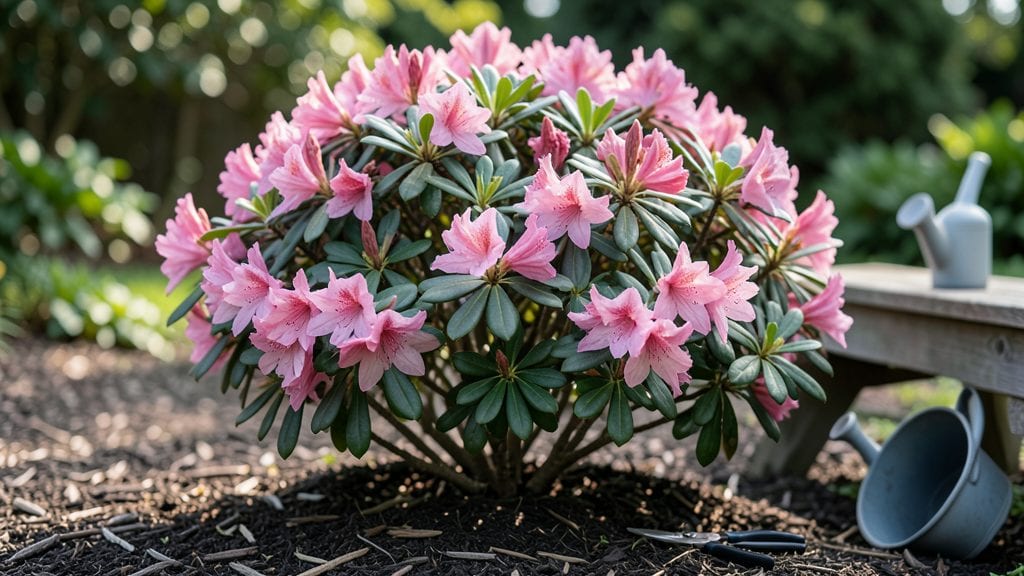
Late flowering azaleas turn your garden into a late-summer spectacle when most shrubs have already faded. 🌸 These varieties—like 'Encore' and 'Southern Indica'—keep blooming until frost, giving you weeks of vibrant color when you need it most.
The secret isn't just picking the right type; it's matching their needs to your climate and soil.
They thrive in partial shade, which means morning sun and afternoon shade works best in hot zones. Most gardeners overlook soil acidity—these azaleas demand pH 4.5-6.0, so test your soil before planting.
Once established, they handle drought better than you'd think, but mulch helps retain moisture during their critical bloom period.
Pruning after flowering keeps them bushy and encourages next year's blooms. I snip back leggy growth in late summer, and the plants reward me with dense clusters of blooms the following season. The fragrance? Lightly sweet, like a whisper of spring in the dog days of summer.
Perfect for foundation plantings, woodland gardens, or even large containers. With the right care, these azaleas will outshine your neighbors' fall mums—and last longer. Let's get those roots settled for a showstopper display.
📚 In This Guide
- What you need
- Instructions
- Tips and common mistakes
- Wrapping up and next steps
What you need
- ● Late-flowering azalea plants: 1–3 mature plants (e.g., Rhododendron varieties like 'Girard’s Pink', 'Hino-Crimson', or 'Bow Bells')
- ● Choose acid-loving cultivars (pH 4.5–6.0 range)
- ● Well-draining, acidic soil: Peat moss or pine bark fines (50% mix with native soil)
- ● Sulfur or azalea fertilizer (10-10-10 or 8-3-9 NPK ratio)
- ● Mulch: 2–3 inches of pine straw or wood chips (avoid cedar)
- ● Watering tools: Hose with soaker nozzle or drip irrigation system
- ● Watering can (for container azaleas)
- ● Pruning shears: Sharp, sterilized bypass pruners (for deadheading)
- ● Soil pH test kit (to confirm acidity levels)
- ● Slow-release fertilizer (e.g., Osmocote for azaleas)
- ● Container gardening: 1–2 15-gallon acid-loving pots (with drainage holes)
- ● Container mix (50% peat moss, 30% perlite, 20% pine bark)
- ● Frost cloth (for late-season protection in colder climates)
- ● Stakes or plant ties (if planting in windy areas)
Step-by-Step guide to extending late-season azalea blooms
Here’s how to coax your azaleas into a second flush of color—no shortcuts, just science-backed techniques.
🌿 Step 1: Prune Strategically After First Bloom
Wait until 4-6 weeks after the first flowers fade before pruning—this gives the plant time to store energy for a second bloom. Use clean, sharp pruners to trim back 1/3 of the oldest growth, focusing on spent blooms and leggy stems. I always cut just above a leaf node or bud, never at a bare stem. This encourages new growth from the base, where late-season buds form.
Remove only the outermost branches first—they’re the most exposed to cold and less likely to rebloom. Avoid heavy pruning now; azaleas are sensitive to over-trimming, and you’ll sacrifice next year’s flowers for a weak second flush. If you see any dead or diseased wood, cut it out immediately—this prevents fungal spread that can kill buds.
☀️ Step 2: Adjust Light and Fertilize for Late Growth
Azaleas need morning sun and afternoon shade to avoid leaf scorch, but late-season blooms thrive with slightly more light than usual. Move containers 2-3 feet closer to a shaded wall if possible, or use a sheer white shade cloth to filter 50% of sunlight during peak afternoon hours. Too much direct sun now will stress the plant and cause buds to drop.
Feed with an acid-loving fertilizer (pH 5.0-5.5) two weeks after pruning—look for a balanced formula with equal parts nitrogen, phosphorus, and potassium. I apply half the recommended dose to avoid burning tender new growth. Water deeply after fertilizing to help roots absorb nutrients without shock. Avoid high-nitrogen fertilizers; they promote leafy growth at the expense of flowers.
💧 Step 3: Master Watering for Bud Formation
Consistent moisture is critical now—azaleas need 1-1.5 inches of water weekly, but never let the soil dry out completely. I check soil moisture by pressing a finger 1 inch deep; if it feels dry, water until it drips from the bottom of the pot. Overhead watering can cause fungal issues, so use a drip irrigation system or water at the base early in the morning.
Mulch with 2-3 inches of pine bark or oak leaves to retain moisture and simulate the acidic forest floor azaleas prefer. Avoid synthetic mulches; they don’t break down and can raise soil pH over time. If your azalea is in the ground, add a 3-inch layer of sphagnum peat moss around the base to keep roots cool and hydrated.
⏰ Step 4: Protect Buds from Late-Season Chills
Watch for temperatures below 50°F at night—this is when late-season buds often abort. Cover plants with frost cloth if a cold snap is forecast, securing edges tightly to prevent wind damage. I’ve seen azaleas drop buds overnight when temps dip into the 40s, so don’t wait until frost warnings appear. Remove covers by 10 AM to allow sunlight to reach the foliage.
If your azalea is in a container, move it to a sheltered spot like a porch or garage during cold nights. Grouping pots together creates a microclimate that traps heat. Avoid using plastic covers; they trap too much moisture and can cause rot. A light layer of straw mulch over the soil also adds insulation without smothering the plant.
✂️ Step 5: Deadhead and Support for Longer Displays
As new buds form, remove spent blooms immediately by snipping the stem just below the flower head. This redirects the plant’s energy into developing more buds rather than setting seed. I use small floral scissors for precision—regular pruners can crush stems and invite disease. Deadheading also improves airflow, reducing the risk of powdery mildew that thrives in dense foliage.
If your azalea is top-heavy with new blooms, stake it with 3-4 bamboo stakes tied loosely to the main stems. Avoid tight bindings; azalea bark is delicate and can bruise easily. You’ll see buds open 6-8 weeks after pruning, but some varieties like ‘Girard’s Pink’ can take up to 10 weeks**. Patience is key—rushing to harvest buds too early results in small, weak flowers.
Tips & tricks for extending late-season azalea blooms
Mastering late-season azalea blooms takes precision—here’s how to avoid common pitfalls and maximize your plant’s potential.
Pruning Precision: In Step 1, when you’re trimming back 1/3 of the oldest growth, focus on making clean cuts just above a leaf node or bud. I’ve seen gardeners accidentally cut into the stem’s vascular tissue, which weakens the plant’s ability to support new blooms. Use sharp pruners and make cuts at a 45-degree angle to prevent water from pooling on the wound—this reduces the risk of fungal infections that can compromise bud formation. Remember, azaleas are sensitive to over-pruning, so resist the urge to shape aggressively now.
Light Balance Strategy: The 50% sunlight filter mentioned in Step 2 is non-negotiable for late-season blooms. I recommend testing your shade cloth’s effectiveness first by placing it over a small section of the plant for a few hours. If you notice leaves turning yellow or crisping at the edges, you’re either getting too much sun or not enough. Azaleas need that delicate balance—think of it as giving your plant a gentle sunbath rather than full exposure. For container azaleas, rotating the pot every few days ensures even light distribution.
Watering Science: That 1-1.5 inches of water weekly in Step 3 isn’t just about quantity—it’s about consistency. I’ve found that azaleas respond best to watering at the same time each morning, preferably before 8 AM. This routine helps establish a predictable moisture level in the soil, which is crucial for bud development. For potted plants, I weigh the pot before watering—when it’s 10% lighter than its saturated weight, it’s time to water. This method prevents both underwatering and soggy soil conditions that can lead to root rot.
Cold Protection Hacks: When temperatures drop below 50°F at night (Step 4), don’t just throw any old cover over your azaleas. Frost cloth works best when it’s secured tightly and allows some airflow—think of it like a breathable blanket. I’ve had success using mini clothespeakers to hold the edges down during windy nights. For container plants, grouping them together creates a microclimate that can raise temperatures by several degrees. And remember, those 10 AM removal times are critical—azaleas need sunlight to photosynthesize and fuel their second bloom cycle.
Pro Tips for Late Flowering Azaleas
- Mastering late-season azalea blooms takes precision—here’s how to avoid common pitfalls and maximize your plant’s potential.
- Pruning Precision: In Step 1, when you’re trimming back 1/3 of the oldest growth, focus on making clean cuts just above a leaf node or bud.
- Light Balance Strategy: The 50% sunlight filter mentioned in Step 2 is non-negotiable for late-season blooms.
Frequently asked questions
Got questions about late-flowering azaleas? You’re not alone! Here are some of the most common concerns—plus quick, practical answers to help you extend that seasonal bloom magic.
When do late-flowering azaleas typically bloom?
Late-flowering azaleas usually bloom between late May and July, depending on your climate. In warmer regions (Zones 7-9), they may even push blooms into early August! Cooler springs can delay flowering, while heatwaves might shorten their season—so monitor temps and water consistently.
How can I encourage my azalea to flower later in the season?
To extend blooms, prune lightly after flowering (never in fall/winter) and fertilize with acid-loving plant food in early spring. Mulch with pine bark to retain moisture, and avoid overwatering—soggy roots stress plants. A light shade (especially afternoon sun) also helps preserve petals longer.
Will late-flowering azaleas survive a late frost?
Most late-bloomers are hardy to Zone 5-9, but new buds can still frost-damaged if temps dip below 28°F. Protect them with frost cloth or a lightweight blanket if frost is forecasted. Prune damaged branches in spring, but wait until after blooming to assess full recovery.
Are there late-flowering azaleas that thrive in full sun?
Yes! Varieties like ‘Hino Crimson’ or ‘Girard’s Pink’ tolerate morning sun + afternoon shade. For full-sun spots, opt for Evergreen azaleas (Rhododendron) like ‘Catawbiense’, which handle heat better. Just water deeply 2-3x/week and mulch heavily to prevent root stress.
Why aren’t my late azaleas flowering this year?
Common culprits: over-fertilizing with wrong pH (test soil—ideal pH: 4.5-6.0), root-bound pots, or stress from pests (like lace bugs or spider mites). Check for yellowing leaves (sign of overwatering) or sticky residue (aphids). Prune dead blooms promptly and feed with an acid-based fertilizer in early spring.
Wrapping up and next steps
Late flowering azaleas are the secret weapon for extending your garden’s color palette well into summer and even fall! 🌸 With the right care—like selecting the perfect variety, providing consistent moisture, and protecting them from pests—you can enjoy vibrant blooms long after most shrubs have faded. Don’t let early bloomers limit your seasonal joy—embrace these hardy beauties and turn your late-season garden into a showstopper!
Ready to transform your space? Start by picking a few late-blooming varieties from your local nursery, then dive into our step-by-step planting guide to get growing. Happy gardening—your future blooms will thank you! 🌿