
Shrubs
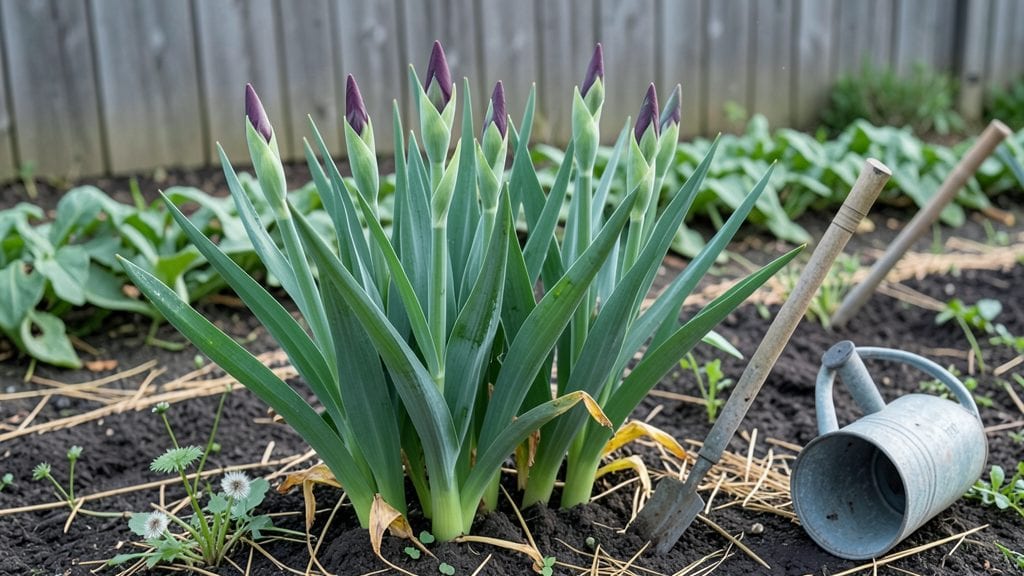
Gladioli not flowering? The culprit is often hiding right under the soil. I’ve revived stubborn gladioli by checking their roots—thick, white, and healthy roots mean blooms are coming, but thin, brown, or tangled ones?
That’s your wake-up call. The fix isn’t complicated, just counterintuitive: less water, more sunlight, and a sharp eye for overcrowding.
Most gardeners overwater gladioli, drowning their roots in soggy soil. Instead, let the top 2 inches dry out between waterings—this forces the plant to stretch upward for sunlight, which is when flower stalks form.
I also swear by a midseason feeding of 10-10-10 fertilizer to jumpstart blooming. And yes, those crowded clumps? Dig them up and separate the tubers now—space makes all the difference.
Within 4-6 weeks of adjusting care, you’ll see new shoots pushing through the soil, followed by those dramatic, sword-like blooms. The key is consistency: gladioli are divas but respond fast to the right adjustments.
Trust the process, and you’ll have a stand of flowers that turns heads at your local garden show.
Works for both in-ground and container gladioli, and the same rules apply whether you’re in Zone 5 or Zone 9. Here’s how to diagnose and fix it for good—no more sad, leafless stalks.
The Hidden Triggers Behind Stubborn Gladioli
When your gladioli corms refuse to bloom, the issue often boils down to a mix of environmental, biological, and cultural factors. Understanding these root causes (literally and figuratively!) is the first step toward reviving your plants.
Here’s a deep dive into why your gladioli might be playing hard to flower—and how to fix it.
Gladioli thrive on sunlight, and lots of it. These sun-worshippers need at least 6–8 hours of direct sunlight daily to trigger flowering. Without enough light:
- Photosynthesis stalls: Reduced energy production means the plant diverts resources to leaf growth instead of flower buds.
- Daylength sensitivity: Gladioli are short-day plants, meaning they bloom best when exposed to 12–14 hours of daylight. Shorter days (common in late summer) can signal them to skip flowering if they’re already stressed.
- Weak stems: Low light leads to leggy, floppy growth, making the plant vulnerable to lodging (falling over) before blooms even form.
Actionable fix: Move your gladioli to the sunniest spot in your garden—even a south-facing bed or raised planter. If space is tight, supplement with a grow light (12–14 hours/day) during cloudy periods.
Gladioli are drought-tolerant but hate soggy feet. Watering issues are a top reason they refuse to flower:
- Overwatering:
- Leads to root rot, suffocating the corms and starving them of oxygen.
- Encourages fungal diseases (like Fusarium or Botrytis), which weaken the plant’s ability to produce flowers.
- Underwatering:
- Triggers stress responses, causing the plant to prioritize survival over blooming.
- Leads to small, weak corms the following season, reducing next year’s flower potential.
Actionable fix:
- Water deeply but infrequently—aim for 1–1.5 inches per week, letting the top 2 inches of soil dry out between waterings.
- Improve drainage by amending soil with perlite or sand if your garden retains moisture.
- Avoid overhead watering to prevent fungal spores from splashing onto leaves.
Gladioli are heavy feeders, especially during their flowering phase. A nutrient deficiency—particularly of phosphorus and potassium—can halt bloom production:
| Deficiency | Symptoms | Fix |
|---|---|---|
| Low Phosphorus (P) | Purple or red tinges on leaves, stunted growth, no flower buds | Apply a bone meal or 5-10-10 fertilizer at planting and mid-season. |
| Low Potassium (K) | Yellowing leaf edges, weak stems, small or absent blooms | Use a potassium-rich fertilizer (like 0-0-50) or wood ash. |
| Too Much Nitrogen (N) | Lush green leaves but no flowers (the plant prioritizes foliage) | Switch to a low-nitrogen, high-phosphorus formula (e.g., 2-8-4). |
Actionable fix: Conduct a soil test to identify deficiencies, then amend with:
- A balanced bloom booster (like 10-20-20) at planting.
- A second feeding when spikes reach 12 inches tall.
- Compost or well-rotted manure to improve soil fertility organically.
Gladioli are cool-season plants with a strict schedule. If temperatures or planting times are off, they’ll skip flowering:
- Planting too early:
- Corms may sprout in cold soil, then get shocked by frost, stunting growth.
- Leaves emerge but fail to harden off, leading to weak stems.
- Planting too late:
- Limited growing season means corms don’t mature enough to produce flowers.
- Short days + warm nights = no bloom signal from the plant.
- Extreme heat:
- Temperatures above 85°F (29°C) can stop flower bud formation entirely.
- Leads to bolting (rapid stem elongation) without blooms.
Actionable fix:
- Plant corms in spring (after the last frost) or early fall (6–8 weeks before the first frost).
- Choose heat-tolerant varieties (like 'Green Star' or 'Attraction') if your climate is hot.
- Provide afternoon shade in peak summer to prevent heat stress.
Hidden pathogens and pests can drain energy from your gladioli, leaving them too weak to bloom:
- Fungal diseases (e.g., Fusarium, Botrytis):
- Cause rot in corms or blight on leaves, reducing the plant’s ability to photosynthesize.
- Symptoms: Yellowing, wilting, or blackened stems.
- Pests (e.g., thrips, slugs, or gladiator flies):
- Damage leaves and stems, diverting energy away from blooms.
- Thrips, in particular, transmit viruses that stunt growth.
Actionable fix:
- Rotate crops annually to prevent soil-borne diseases.
- Apply neem oil or copper
Revive Your Gladioli Blooms Now
Struggling with gladioli that refuse to flower? Don’t toss them out just yet! With the right adjustments, you can coax those vibrant blooms back to life.
Below, we’ll tackle the most common causes of non-flowering gladioli—from poor soil to improper care—and provide practical, step-by-step fixes to get your garden back on track. Plus, we’ll share prevention tips to keep your gladioli thriving for seasons to come.
Problem: Gladioli need rich, well-draining soil packed with nutrients to produce flowers. If the soil is depleted or compacted, your plants may focus on foliage instead of blooms.
How to Fix It:
- 🔥 Test Your Soil – Use a simple soil test kit (available at garden centers) to check pH (ideal: 6.0–7.0) and nutrient levels.
- 🍳 Amend the Soil – Mix in compost, aged manure, or a balanced fertilizer (10-10-10) before planting. For a quick boost, use bone meal or phosphorus-rich fertilizer (gladioli love phosphorus for flowers!).
- 👨🍳 Improve Drainage – If your soil is clay-heavy, add sand or perlite to prevent waterlogging, which stresses roots.
💡 Prevention Tip:
- Top-dress with compost in early spring and after each flowering cycle to maintain nutrient levels.
Problem: Gladioli crave full sun (6+ hours daily) and proper airflow. Shady spots or overcrowding lead to weak stems and no blooms.
How to Fix It:
- 🌞 Move to Sun – Relocate plants to a south- or west-facing spot with unobstructed sunlight.
- 📏 Space Correctly – Plant corms 6–8 inches apart and 4–6 inches deep to prevent competition for nutrients.
- ✂️ Prune Wisely – Remove yellow or damaged leaves to redirect energy to flower production.
💡 Prevention Tip:
- Stake tall varieties early to prevent flopping, which can block sunlight from lower leaves.
Problem: Too much or too little water stresses gladioli, causing them to skip flowering. They need consistent moisture but hate soggy roots.
How to Fix It:
- 🔄 Water Deeply & Infrequently – Aim for 1–1.5 inches of water per week, watering at the base (not leaves) to avoid fungal issues.
- ⏰ Adjust for Seasons – Reduce watering in winter (dormant phase) but increase slightly when buds form in late summer.
- 🚰 Improve Drainage – If water pools, raise beds or add gravel beneath corms.
💡 Prevention Tip:
- Mulch with straw or shredded leaves to retain moisture without suffocating roots.
Problem: Gladioli have a strict growing cycle. Planting at the wrong time or disturbing them too soon can halt blooming.
How to Fix It:
- 📅 Plant in Spring – After the last frost, plant corms 2–3 inches deep (they’ll grow upward).
- 🌱 Let Foliage Die Back – Wait until leaves yellow (late fall) before digging up corms. Cut back stems but leave roots intact.
- 🔄 Replant Properly – Store corms in a cool, dry place (50–60°F) over winter, then replant in early spring.
💡 Prevention Tip:
- Label varieties—some gladioli take 2 years to rebloom after dormancy!
Problem: Thrips, aphids, or fungal diseases (like botrytis) can weaken plants, preventing flowers.
How to Fix It:
- 🔪 Inspect Leaves – Look for chewed edges (thrips) or black spots (fungus). Spray with neem oil or insecticidal soap if needed.
- 🌿 Improve Airflow – Space plants wider and remove debris to deter pests.
- 💊 Use Fungicide – If botrytis appears (gray mold on buds), apply a copper-based fungicide preventatively.
💡 Prevention Tip:
- Rotate planting spots every 2–3 years to break pest/disease cycles.
Final Thought: Gladioli are dramatic divas—they demand attention but reward it with stunning spikes of color!
By fixing soil, sun, water, timing, and pests, you’ll coax those blooms back in no time. Try one fix this season, and watch your gladioli transform from foliage flops to flowering superstars! 🌸✨
Frequently asked questions
Why do my gladioli grow tall but never produce flowers?
Tall stems without blooms usually mean your plants are focusing energy on leaf growth instead of flowering. This often happens from too much nitrogen fertilizer, insufficient sunlight (6+ hours daily), or overcrowding. Try switching to a low-nitrogen, phosphorus-rich fertilizer (like 5-10-10) and moving them to a sunnier spot.
Can I force gladioli to bloom if I've had them for years?
Older corms sometimes need a "reset." Dig up your gladioli after foliage dies back, separate any crowded tubers, and store them in a cool, dry place (50-60°F) for 8-10 weeks. Replant in spring with fresh, nutrient-rich soil. Many gardeners report blooms within 4-6 weeks of proper care.
What's the best fertilizer ratio for encouraging gladioli flowers?
Gladioli thrive on a low-nitrogen, high-phosphorus formula like 2-8-4 or 5-10-10. Phosphorus (the middle number) is key for flower production. Apply it at planting, then again when stems reach 12 inches tall. Avoid high-nitrogen fertilizers—they promote leaves but stop blooms!
Is it too late to fix my gladioli if they're already 3 feet tall with no buds?
Not yet! Prune back any weak or yellowing leaves to redirect energy to potential buds. Increase sunlight exposure immediately and apply a phosphorus boost (like bone meal). With proper care, you might still see blooms—just give them 4-6 weeks of ideal conditions. The later in season, the less likely, but it's worth trying!