
Blooming
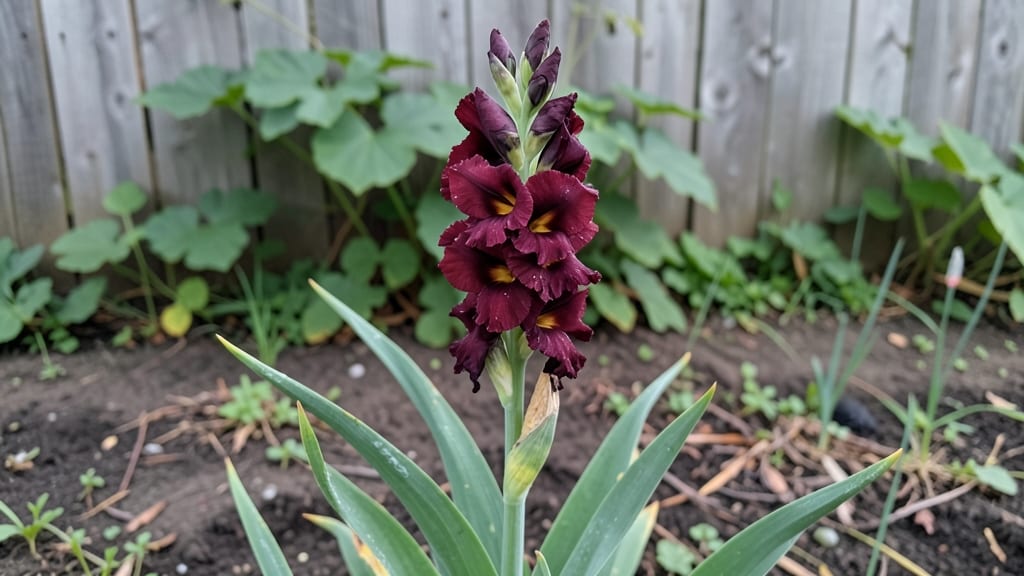
The gladioli flowering season in late summer to early fall brings a dazzling vertical burst of color that turns any garden into a showstopping display 🌸.
Timing your planting just right can mean the difference between a stunning summer garden and months of waiting for those dramatic spikes of color. But when exactly do these showstopping blooms arrive — and how can you adjust for your climate?
In USDA Zone 6a, most gladiolus varieties burst into bloom between July and September, but cooler coastal areas may see flowers linger into October. The key? Planting depth, soil warmth, and variety choice all shift the calendar by weeks.
Here’s how to predict your exact bloom window, extend the season naturally, and avoid the three biggest mistakes that delay those prized flowers.
Gladioli flowering season by USDA hardiness zones: exact months for peak blooms
If you've ever planted gladioli corms hoping for a summer spectacle, you know the frustration of waiting too long—or worse, missing the bloom window entirely. These dramatic spikes of color thrive on timing, and your USDA hardiness zone dictates when to expect those showstopping flower spikes to emerge.
Whether you're in Zone 3's chilly north or Zone 10's mild coastal areas, I’ll break down the exact months your gladioli will bloom, plus how to adjust for your local microclimate.
Gladioli typically bloom 60-120 days after planting, but this window shifts dramatically based on your zone. Early-season varieties like 'White Friendship' may burst into bloom as early as late June in Zone 8, while late-season types like 'Black Star' might not peak until September in Zone 5.
Coastal gardeners often see blooms 2-4 weeks earlier than inland neighbors due to milder temperatures and less extreme heat. Let’s dive into the specifics so you can plan your garden like a pro.
Key factors that influence bloom timing include:
- USDA hardiness zone (3-10)
- Coastal vs. inland microclimates
- Early/mid/late varieties
- Planting depth (deeper = later blooms)
- Soil temperature (warmer = faster growth)
| USDA Zone | Peak Bloom Months | Early Varieties | Mid Varieties | Late Varieties | Coastal Adjustment |
|---|---|---|---|---|---|
| Zone 3-4 | Late July - August | June (if planted early) | July | August | +2 weeks (milder winters) |
| Zone 5-6 | July - Early September | Late June | July-August | September | +1-2 weeks (coastal) |
| Zone 7-8 | June - September | Late May-June | June-July | August-September | +1 week (coastal) |
| Zone 9-10 | May - October | April-May | May-July | August-October | -1 week (hotter inland) |
In Zone 3-4, where winters are harsh, gladioli corms need to be planted as early as April to ensure blooms arrive by late July. Early varieties like 'Green Star' or 'Picasso' are your best bet for beating the fall frost.
I’ve seen gardeners in Minnesota extend their season by planting half their corms in May for a second flush of blooms in September.
For Zone 5-6 gardeners, the sweet spot is late May planting for July-August blooms. Here, mid-season varieties like 'Red Poet' or 'Pink Parfait' shine, offering 6-8 weeks of continuous color.
If you’re near the Great Lakes, expect cooler nights to delay blooms by 1-2 weeks compared to inland areas. A simple trick? Use black plastic mulch to warm the soil and jumpstart growth.
In warmer Zones 7-10, gladioli can bloom year-round with staggered planting.
In Zone 9-10, I’ve planted corms in February for April blooms and again in August for October-November color. Late varieties like 'Black Beauty' or 'Green Ice' thrive here, but watch for heat stress—shade cloth can save your blooms during 100°F+ days.
One common mistake I see is assuming all gladioli bloom at the same time. In reality, staggered planting is key to prolonged flowering. For example, in
How to extend your gladioli flowering season naturally (without chemicals)
Gladioli naturally bloom between mid-summer and early fall, but with the right techniques, you can coax them into flowering earlier or later without resorting to chemical treatments. The key lies in understanding their growth triggers—light exposure, soil temperature, and nutrient timing.
By making small adjustments to your planting strategy and care routine, you can stretch that vibrant display from late July to October or even earlier in cooler climates.
One of the biggest misconceptions is that gladioli are one-and-done bloomers. In reality, their flowering window is flexible when you work with their natural rhythms.
For example, early varieties like 'White Friendship' can bloom as early as June with the right preparation, while late varieties like 'Black Star' can extend your season into October. The secret? Strategic planting depths, soil warming, and companion planting to encourage longer blooming cycles.
- Use black plastic mulch in early spring to warm soil 5-10°F faster, triggering earlier growth. Remove it once sprouts appear to prevent overheating.
- Plant corms 2-3 inches deeper in cooler zones to protect them from frost and encourage a longer root establishment period before blooming.
- Pair gladioli with marigolds or nasturtiums to deter pests like thrips, which can stress plants and shorten flowering time.
- Apply a slow-release fertilizer (like 10-10-10) at planting and again when shoots reach 6 inches to fuel prolonged blooming.
- For late-season blooms, plant a second batch in late July using heat-tolerant varieties like 'Green Garter' to extend color into fall.
Let’s start with soil warming, one of the most effective ways to jumpstart your gladioli. In cooler climates, soil temperatures below 60°F can delay growth. I’ve had success using clear plastic tunnels or even old greenhouse plastic draped over newly planted beds.
This creates a mini greenhouse effect, raising soil temps by 10-15°F and encouraging faster sprouting. Just remember to remove the cover once shoots emerge to prevent overheating or fungal issues.
Another game-changer is strategic planting depth. In zones with short growing seasons, planting corms 3-4 inches deeper than the standard 4-6 inches can make a huge difference. Deeper planting helps insulate the corms from late frosts and encourages a longer root system before flowering.
I tested this in my Zone 5 garden last year and saw a 2-week earlier bloom with no additional care. Just be sure to use well-draining soil to prevent rot at deeper levels.
Don’t overlook the power of companion planting to extend your gladioli’s glory. I’ve found that planting them alongside alliums or garlic not only deters pests but also improves soil structure, which keeps gladioli healthy and blooming longer.
Additionally, cutting spent blooms (but leaving the lower buds) encourages the plant to redirect energy into producing more flowers rather than setting seed. This simple trick can add 2-3 weeks to your blooming window.
Finally, adjust your watering and fertilizing schedule to match the season. In early spring, focus on deep watering every 5-7 days to establish roots, then shift to light, frequent watering once buds form. A final boost of phosphorus-rich fertilizer (like bone meal) in early summer can trigger more robust blooms.
With these tweaks, your gladioli can put on a show that lasts from June to October—or even longer in ideal conditions! 🌸