
Blooming
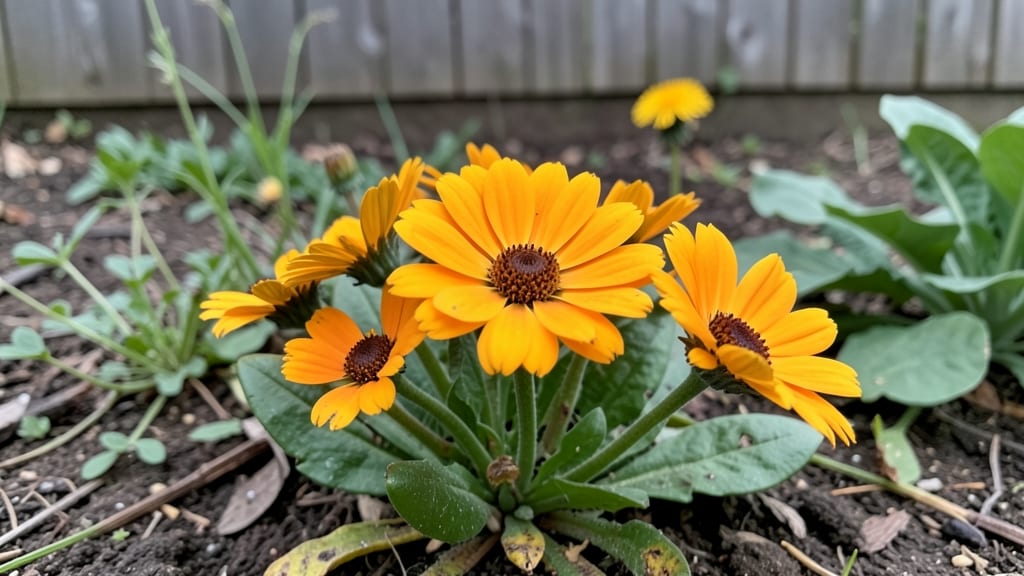
The gazania flower season arrives in late spring through summer, transforming your garden into a sunlit canvas of color—but only if you plant them at the right time.
Gazania flowers—with their vibrant colors and cheerful faces—are a gardener’s dream, but timing their bloom is everything. If you’ve ever planted them too early and watched them wilt in cooler weather, you know how frustrating it can be to miss the perfect window.
In USDA Zone 6a, these hardy annuals thrive from June to September, but the secret to their longest, brightest display starts with planting after your last frost—usually in April or May. With the right care, you can stretch their season even longer.
This guide breaks down the best planting times by zone, care tips to keep them blooming all summer, and how to prep them for fall—so you can enjoy their cheerful faces from start to finish.
Gazania blooming seasons by US hardiness zone: month-by-month guide
Gazania flowers thrive in warm climates and deliver bright, sun-loving blooms that brighten gardens from spring through fall. Their peak bloom seasons vary dramatically by USDA hardiness zone, with some varieties even reblooming in cooler months.
Understanding these patterns helps you plan for continuous color—whether you're in humid coastal areas or arid desert regions.
In zones 7-11, gazanias typically bloom from late spring to early fall, but regional microclimates can shift these windows. For example, coastal zones (like 9b) may see prolonged fall blooms thanks to milder temperatures, while desert zones (like 10a) often enjoy year-round flowering with minimal care.
Let’s break down the month-by-month bloom cycles so you can align your planting schedule with nature’s timeline.
🌼 Key Takeaway: Gazanias are sun-worshippers that close at night and reopen in the morning—this daily ritual is your cue for optimal bloom timing and watering schedules.
In zone 7, where frosts are common, gazanias typically bloom from May through October, with early bloomers like 'Sunset' pushing flowers as early as April.
These varieties are perfect for spring containers or border edges where they’ll catch the morning sun and close by evening—a natural light meter for your garden!
For zones 8-9, the bloom season stretches from April to November, with some late-season varieties like 'Tiny Tangerine' still flowering in October or November. In coastal climates (e.g., zone 9b), you might even see prolonged fall color due to milder ocean breezes delaying the first frost.
This makes gazanias ideal for autumn weddings or holiday displays.
Gardeners in zones 10-11 enjoy the luxury of year-round blooms, though peak flowering still occurs in spring and fall. Here, desert varieties like 'Sunny' thrive with minimal water and intense sunlight, making them perfect for xeriscaping projects.
Even in these warm zones, deadheading spent blooms encourages new flowers, extending your gazania season by months.
If you’re in zone 7 or cooler, don’t despair—gazanias can overwinter with the right care. For perennial varieties, cut back foliage to 2 inches tall
How to extend gazania flower season: pro tips for longer blooms
Gazania flowers are famous for their sunny disposition and bold colors, but their natural blooming season can feel short-lived. With the right techniques, you can extend their display by weeks—or even months!
The key lies in understanding their growth habits and creating ideal conditions. Whether you're growing annual varieties or perennial types, these strategies will keep your gazanias flowering like clockwork.
Most gardeners focus on watering schedules and sunlight exposure, but the real secret to prolonged blooms often comes down to soil health and pest management. Even in drought-prone areas, gazanias can thrive with minimal effort if you follow a few simple rules.
Let’s dive into the proven methods that will transform your garden into a gazania paradise all season long.
- Deadhead daily to encourage new buds—spend just 5 minutes each morning snipping spent blooms.
- Adjust soil pH to 6.0-7.0—gazanias love slightly acidic to neutral soil for optimal nutrient uptake.
- Water deeply 2-3 times weekly—avoid shallow watering to prevent root stress.
- Use companion plants like marigolds to deter pests and attract beneficial insects.
- Fertilize with low-nitrogen feed every 6 weeks to promote blooms over foliage.
One of the most effective ways to extend gazania blooms is through regular deadheading. These flowers follow a natural cycle where they produce one bloom per stem before fading. By removing spent blooms daily, you signal the plant to produce new flowers instead of setting seed.
This simple habit can double your blooming season—imagine vibrant gazanias from early summer to first frost!
Soil pH levels play a crucial role in gazania health. These plants thrive in slightly acidic to neutral soil (pH 6.0-7.0). If your soil is too alkaline, the plants may struggle to absorb essential nutrients, leading to fewer blooms.
Test your soil and amend it with peat moss or sulfur if needed. Well-draining soil is equally important—gazanias hate soggy roots, so raise beds or add compost to improve drainage.
Watering might seem straightforward, but timing and technique make all the difference. Gazanias are drought-tolerant, but they still need consistent moisture during their active growing season. Water deeply in the morning to reduce evaporation and prevent fungal diseases.
In hot climates, mulch around plants to retain moisture and keep roots cool. Overwatering is a common mistake—let the top inch of soil dry out between waterings.
Companion planting is a game-changer for pest control and pollinator attraction. Pair gazanias with marigolds, basil, or lavender to repel aphids and other pests. These companions also attract bees and butterflies, which boost pollination and lead to healthier, longer-lasting blooms.
Avoid planting near heavy feeders like tomatoes, which can compete for nutrients and stress your gazanias.
For the longest possible display, choose perennial varieties over annuals if you live in USDA zones 8-11. Perennials like 'Gazania rigens' return year after year with minimal care, while annuals like 'Sunburst' offer prolonged summer color but must be replanted annually.
Mix both types for a continuous bloom from early summer to frost. With these tips, your gazanias will outshine the competition all season! 🌼