
Shrubs
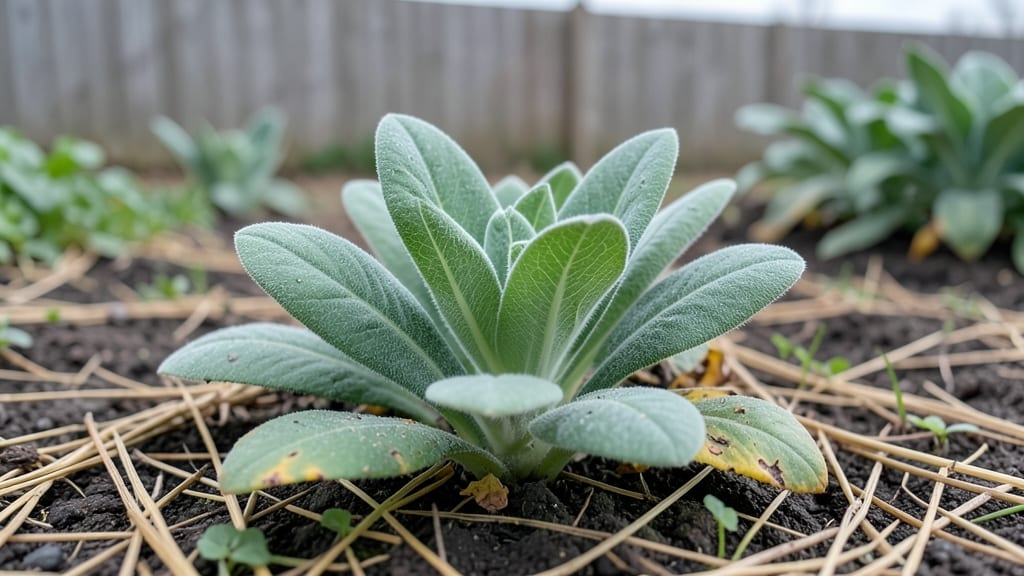
Foxgloves before flowering are the secret to those dramatic, towering spikes you dream about—it’s all in the early season work. ✨ I’ve seen gardeners skip this stage and end up with scraggly plants that flop over before they even bloom.
The difference between a wild, lanky mess and a sturdy, showstopping specimen starts with how you handle them in spring.
Right after the first true leaves appear, focus on soil prep and spacing—foxgloves hate soggy roots but need consistent moisture. Amend heavy clay with compost and space plants 18-24 inches apart to give them room to grow.
Snip off any flower buds that appear too early (yes, really), because the plant will put all its energy into leaves and roots first. This might feel counterintuitive, but trust me—it pays off.
By midsummer, you’ll notice thick, velvety-green stems and a bushier base. That’s your reward for patience. The plants will store energy for next year’s blooms, and when they finally flower, they’ll stand tall and proud instead of leaning like they’re bowing to the wind.
The payoff? Stems that reach 4-5 feet with clusters of bell-shaped blooms that last for weeks.
Works for both woodland gardens and sunny borders—just adjust watering based on your climate. The key is consistency: feed lightly in spring, water deeply in dry spells, and resist the urge to cut back until after flowering.
Now go give those foxgloves the attention they deserve before the real magic begins.
📚 In This Guide
- What you need
- Instructions
- Tips and common mistakes
- Wrapping up and next steps
What you need
- ● Pruning shears or bypass pruners: Choose sharp, high-quality shears (e.g., Felco F-2 or Gonicc) to make clean cuts without crushing stems.
- ● Gloves: A pair of gardening gloves (preferably with reinforced palms) to protect your hands from thorns or rough stems.
- ○ Disinfectant (optional but recommended): A small bottle of rubbing alcohol (70% isopropyl) or a pruning saw disinfectant to sterilize tools between cuts and prevent disease spread.
- ● Pruning saw (for thicker stems): If your foxgloves have woody stems over ½-inch thick, a curved pruning saw (like the Fiskars X27) will make the job easier.
- ● Garden twine or plant ties: A small roll of jute twine or soft plant ties to secure stems if staking is needed post-pruning.
- ○ Garden stakes (optional but helpful): Bamboo stakes or metal plant supports (6–12 inches tall) to stabilize foxgloves if they’re top-heavy after trimming.
- ● Hand pruners (for precision): Smaller, ergonomic pruners (e.g., Corona Tools) for delicate trimming of smaller stems.
- ● Garden kneeler/pad: For comfort if you’re working close to the ground.
- ● Compost bin or bag: To collect pruned foliage for composting.
- ● Plant food (balanced fertilizer): A 10-10-10 or 20-20-20 NPK fertilizer to give your foxgloves a nutrient boost after pruning.
Instructions for pruning foxgloves before flowering
Here’s how to shape your foxgloves early for stronger stems and bigger blooms—no fancy tools needed.
🌱 Step 1: Identify and Prepare for Pruning
Wait until late winter or early spring when new growth begins—you’ll see 2-3 inch tall shoots pushing through the soil. This is the perfect time to prune because the plant is waking up but hasn’t yet used energy on flowers. Wear gloves; foxglove leaves can irritate skin.
Gather your sharp pruning shears and sanitize them with rubbing alcohol to prevent spreading disease. Focus on the outer stems first—they’re the oldest and won’t regrow as vigorously. Avoid cutting into the center of the clump, where next year’s growth will emerge.
✂️ Step 2: Remove Dead or Weak Stems
Cut back any brown, mushy, or hollow stems at the base with a single clean snip. These stems won’t produce flowers and can harbor pests. You’ll know a stem is dead if it crumbles when you touch it—healthy stems feel firm. Remove no more than 1/3 of the total stems to avoid stressing the plant.
For stems that are still green but thin or leggy, trim them back by half their height. This encourages the plant to put energy into thicker, stronger growth. Watch for new side shoots forming at the base—these are your plant’s way of telling you it’s happy with the pruning.
🌿 Step 3: Thin Crowded Stems for Better Airflow
Foxgloves love space to breathe, and crowded stems compete for nutrients. Look for clumps of 3-4 stems growing too close together—these should be thinned. Use your shears to cut the thinnest stems at the base, leaving the thickest, healthiest ones. Aim for 2-3 stems per clump for optimal flowering.
If you’re working with a mature clump, you can even divide it now. Dig up the entire plant, separate the roots gently, and replant the strongest sections. Water them deeply after replanting to help them recover. This step is optional but ensures your foxgloves have room to thrive.
💧 Step 4: Water and Fertilize After Pruning
Give your foxgloves a deep watering right after pruning to help them recover. The soil should be moist 2-3 inches down—stick your finger in to check. Avoid overhead watering, which can spread disease. Instead, water at the base until it drains out the bottom of the pot or soil.
Apply a balanced, slow-release fertilizer (like 10-10-10) around the base of the plant. Follow the package instructions for dosage—foxgloves don’t need much, but a little extra nitrogen now will encourage strong new growth. Mulch with 2-3 inches of organic mulch to retain moisture and protect roots as temperatures fluctuate.
☀️ Step 5: Monitor and Adjust for Summer Growth
Keep an eye on your foxgloves over the next 4-6 weeks. You’ll notice new leaves emerging from the base—this is a sign the pruning worked. If any stems look too leggy or weak, give them a light trim again to encourage bushier growth. Avoid heavy pruning now, though—you want the plant to focus on building strong stems for next season’s blooms.
By mid-summer, you should see flower buds forming at the top of the stems. This is your reward for early pruning! If you notice any yellowing leaves, it’s usually a sign of overwatering—let the soil dry out slightly between waterings. Foxgloves are tough once established, but they appreciate consistent care.
Tips & tricks for pruning foxgloves before flowering
Pruning foxgloves early can transform your garden, but a few key tricks make all the difference. Here's what I've learned from years of shaping these dramatic plants.
The Timing Secret: Late winter or early spring is your narrow window—when you see those 2-3 inch tall shoots emerging, that's your cue. I've pruned too early when plants were still dormant, and it stressed them unnecessarily. Wait until you see active growth before touching your shears. This timing ensures your foxgloves have energy reserves to recover and grow stronger stems.
Tool Prep Matters: Never skip sanitizing your pruning shears with rubbing alcohol before you start. I learned this the hard way when I reused shears from trimming diseased plants—my foxgloves developed brown spots later. Focus on the outer stems first as instructed, but remember to clean your tools between cuts if you're working with multiple plants to prevent cross-contamination. A quick wipe between stems keeps your foxgloves healthy.
Visual Cues for Healthy Stems: When deciding which stems to keep, look for these visual clues: healthy stems feel firm when you gently squeeze them, while dead stems crumble like dry paper. In Step 2, when you're removing up to 1/3 of the stems, trust your fingers—they're more reliable than guesswork. I've kept too many weak stems before, and my plants never produced those towering blooms I was hoping for. Aim for the thickest, healthiest stems—they'll give you the best flower displays.
Post-Pruning Recovery: That deep watering in Step 4 isn't just about hydration—it's about helping your foxgloves recover from the shock of pruning. Stick your finger 2-3 inches down to check moisture; the soil should feel damp but not soggy. I've seen pruned plants wilt when they didn't get enough water after cutting, so don't skip this step. The mulch layer you add will also help maintain even moisture as temperatures fluctuate, which is especially important during those first 4-6 weeks of new growth.
Pro Tips for Foxgloves Before Flowering
- Pruning foxgloves early can transform your garden, but a few key tricks make all the difference.
- The Timing Secret: Late winter or early spring is your narrow window—when you see those 2-3 inch tall shoots emerging, that's your cue.
- Tool Prep Matters: Never skip sanitizing your pruning shears with rubbing alcohol before you start.
Frequently asked questions
Got questions about foxgloves before they bloom? You’re not alone!
Here are answers to the most common queries—from pruning timing to plant care—so you can nurture those stunning spikes without stress.
When should I prune foxgloves before flowering?
Prune foxgloves in early spring (March–April) or late winter before new growth appears. This removes dead foliage and encourages fresh, vigorous stems. Avoid pruning too late—waiting until flowering season can reduce bloom potential.
How much can I cut back foxgloves before they flower?
Trim back one-third to half of the plant’s height, focusing on dead or yellowed leaves. Never cut into healthy stems—foxgloves store energy in their roots, and drastic pruning can weaken them. Leave at least 6–8 inches of growth to ensure strong reblooming.
What if I miss the early-season pruning window?
Don’t panic! If you skip early pruning, wait until after flowering (late summer) to trim spent blooms and dead leaves. Just avoid heavy cuts—foxgloves are hardy but need time to recover. Mulch around the base to protect roots while they adjust.
Can I prune foxgloves for shorter, bushier growth?
Foxgloves naturally grow tall and slender, so pruning won’t make them bushy. However, you can pinch back young stems in early spring to encourage branching. For a fuller look, plant them in clusters (3–5 plants together) instead. Their height is part of their charm!
What should I avoid when pruning foxgloves?
- Pruning in fall or winter—this can invite rot or frost damage.
- Using dull or dirty tools—clean shears prevent disease spread.
- Over-trimming healthy stems—foxgloves rely on stored energy.
- Fertilizing right after pruning—wait until new growth appears.
Pro tip: Wear gloves! Foxglove leaves contain digitalis, which can irritate skin.
Wrapping up and next steps
Pruning foxgloves before flowering is your secret weapon for bigger, healthier blooms—and it’s easier than you think! 🌿 By removing spent foliage and shaping stems early, you’re not just tidying up; you’re inviting your plants to grow stronger and stand taller.
Whether you’re a first-time gardener or a seasoned green thumb, this simple step can transform your garden into a showstopper.
Ready to take the next step? Grab your pruners, mark your calendar for early spring, and give your foxgloves the care they deserve. Watch as they reward you with stunning, towering blooms that’ll be the talk of the neighborhood!