
Shrubs
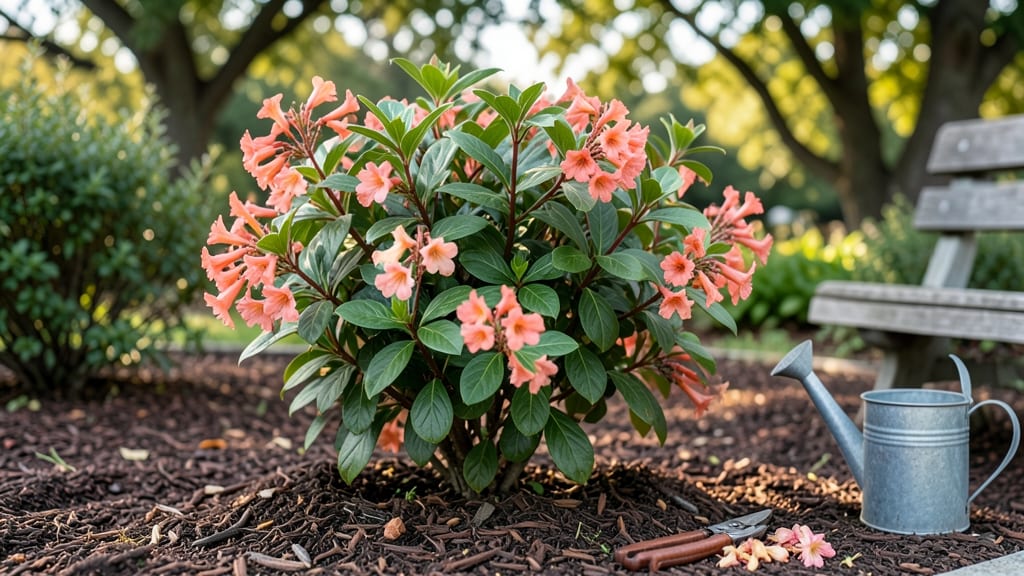
Weigela flowering bushes bring bold pink and red blooms that hummingbirds can't resist, and they keep putting on shows from spring through fall. 🌸 I fell in love with them after my first plant produced three months of nonstop color—no dead zones, no waiting for a single flush.
The secret lies in their care routine, which is simpler than most gardeners think.
These shrubs thrive in partial sun, tolerating morning shade that protects their delicate blooms from afternoon heat. Your soil just needs to drain well—no fancy amendments required. Most gardeners overcomplicate pruning, but weigela responds best to light shaping in late winter and deadheading spent flowers.
The foliage stays lush even when flowers fade, giving you year-round structure.
By summer, you'll have a bush covered in butterfly-sized blossoms that attract pollinators like crazy. The foliage turns golden in fall, and some varieties even produce winter interest.
Pair them with catmint or Russian sage for a pollinator magnet combo that never stops performing. Here's how to keep yours looking this good every season.
Works in zones 4-8, from city patios to woodland edges. The key is matching their needs to your space—whether that's a foundation planting or a container on your deck. Let's get yours growing strong from day one.
📚 In This Guide
- What you need
- Instructions
- Tips and common mistakes
- Wrapping up and next steps
What you need
- ● Weigela plants: 1–3 nursery-grown Weigela florida or Weigela middendorffiana bushes (choose based on mature size and color preferences).
- ○ Optional: Bare-root plants (less expensive but require extra care during transplanting).
- ● Soil amendments: 5–10 lbs of compost or well-rotted manure per planting hole.
- ● 1–2 lbs of balanced fertilizer (10-10-10 or 20-20-20) for initial planting.
- ○ Optional: 1–2 lbs of slow-release granules (e.g., Osmocote) for long-term feeding.
- ● Planting tools: 1 shovel or spade (for digging holes).
- ● 1 hand trowel (for adjusting soil and roots).
- ● 1 garden hose or watering can (with a fine rose attachment).
- ○ Optional: 1 pruning shears (for trimming dead branches before planting).
- ● Mulch: 2–3 inches of organic mulch (e.g., shredded bark, pine straw, or wood chips).
- ● Pollinator support: A small bird feeder or bee water station (to attract hummingbirds and bees!).
- ● Pest control: Neem oil or insecticidal soap (for aphid or spider mite prevention).
- ● Staking: 1–2 garden stakes or tree ties (if planting in windy areas).
- ● Soil test kit: To check pH levels (Weigela thrives in slightly acidic to neutral soil (pH 6.0–7.0)).
How to plant and care for weigela flowering bushes
These hardy shrubs thrive with minimal fuss—just follow these steps for vibrant blooms and pollinator magnet appeal.
🌱 Step 1: Choose the Perfect Planting Location
Weigela loves full sun to partial shade—aim for at least 6 hours of direct sunlight daily. I always pick a spot with morning sun and afternoon shade in hotter climates, which prevents leaf scorch. The soil should drain well but retain moisture; weigela roots despise soggy conditions.
Check the site's drainage by digging a 12-inch deep hole. If water pools after 30 minutes, amend the soil with 2-3 inches of compost to improve aeration. Weigela thrives in USDA zones 4-8, so verify your climate matches before planting.
🪴 Step 2: Dig and Prepare the Planting Hole
Dig a hole twice as wide as the weigela’s root ball but no deeper. This encourages roots to spread outward rather than settling at the bottom. Gently loosen the roots if they’re circling—just tease them apart with your fingers. Never force the plant into the hole; it should sit 1 inch higher than its container level.
Mix the excavated soil with a handful of balanced fertilizer (10-10-10) to give the shrub a nutrient boost. The goal is loose, crumbly soil that won’t compact around the roots. Tap the hole lightly to remove air pockets before placing the weigela in.
💧 Step 3: Plant and Water Deeply for Establishment
Place the weigela in the hole, ensuring the top of the root ball aligns with the soil line. Fill the hole with the amended soil, pressing gently to eliminate gaps. Water immediately with 2 gallons of water to settle the soil and eliminate air pockets. You’ll see the soil sink slightly—top it off if needed.
After planting, water every 2-3 days until new growth appears. Mulch with 2-3 inches of organic mulch around the base (but not touching the stem) to retain moisture and suppress weeds. This keeps roots cool and reduces watering frequency once established.
☀️ Step 4: Prune for Shape and Encourage Blooms
Prune weigela in late winter or early spring before new growth starts. Remove 1/3 of the oldest stems at the base to rejuvenate the plant. This prevents overcrowding and encourages vigorous new growth. Deadhead spent blooms throughout the season to prolong flowering—simply pinch off faded flowers with your fingers.
Watch for leggy growth; if stems stretch too tall, trim them back by 1/3 to maintain a compact shape. Weigela blooms on new wood, so don’t fear pruning—it actually stimulates more flowers. Just avoid cutting into old wood, which won’t rebloom.
✂️ Step 5: Maintain Through Seasons for Year-Round Interest
Fertilize in early spring with ½ cup of slow-release fertilizer to support new growth. Water deeply once a week during dry spells, ensuring the top 6 inches of soil stay moist. You’ll know it’s time to water when the soil feels dry to the touch.
In fall, reduce watering but keep the soil slightly moist. Weigela’s foliage turns a stunning bronze-red before dropping, adding winter interest. Prune again lightly in late fall to remove any dead or diseased branches, keeping the shrub tidy for the dormant season.
Tips & tricks for perfect weigela flowering bushes
A few key strategies will ensure your weigela thrives and blooms abundantly year after year.
Location Intelligence: The 6 hours of sunlight requirement is non-negotiable for vibrant blooms, but here's the secret: morning sun with afternoon shade in hot climates prevents leaf scorch while maintaining enough light for flowering. I've seen weigelas in full sun locations struggle with heat stress—watch for yellowing leaves as an early warning sign.
Root Development Strategy: When preparing the planting hole in Step 2, focus on creating a loose, airy environment for roots. The 12-inch deep drainage test reveals soil conditions that could make or break your plant's establishment. I always add an extra inch of compost to the bottom of the hole before mixing with native soil—this creates an ideal root zone right where your weigela needs it most.
Watering Wisdom: The 2-3 day watering schedule after planting might seem frequent, but it's critical during establishment. I've found that giving 2 gallons of water immediately after planting helps settle the soil and eliminates air pockets that could strangle new roots. For mature plants, the "top 6 inches moist" guideline works perfectly—just stick your finger in the soil to check before watering.
Pruning Precision: The late winter/early spring pruning window is your chance to rejuvenate the plant. Focus on removing 1/3 of the oldest stems at the base—this might seem drastic, but it stimulates fresh growth from the base. I've seen weigelas that looked overgrown become bushier and more productive after just one proper pruning session. Remember, weigela blooms on new wood, so don't hesitate to cut back!
Pro Tips for Weigela Flowering Bushes
- A few key strategies will ensure your weigela thrives and blooms abundantly year after year.
- I've seen weigelas in full sun locations struggle with heat stress—watch for yellowing leaves as an early warning sign.
- Root Development Strategy: When preparing the planting hole in Step 2, focus on creating a loose, airy environment for roots.
Frequently asked questions
Got questions about growing and caring for Weigela flowering bushes?
You’re not alone! Here are some of the most common queries—plus quick, practical answers to help you keep your pollinator-friendly shrubs thriving.
When is the best time to plant Weigela bushes?
Plant your Weigela in early spring or early fall when the soil is workable but not frozen. This gives roots time to establish before extreme heat or cold. Avoid planting in summer—high temperatures stress young plants. If you’re in a warm climate, opt for fall planting to beat summer drought.
Do Weigela bushes attract bees and butterflies?
Weigela is a pollinator magnet, especially when in bloom (spring through summer). Their tubular flowers are perfect for hummingbirds, bees, and butterflies. For extra buzz, plant near other nectar-rich shrubs like Butterfly Bush (Buddleia) or Russian Sage.
How and when should I prune Weigela bushes?
Prune Weigela right after flowering (late spring to early summer) to encourage new blooms. Cut back 1/3 of the oldest stems to the ground and shape lightly. Avoid heavy pruning in fall—it removes next year’s flower buds! Never prune in late summer or winter.
Why aren’t my Weigela flowers opening?
If your Weigela has buds but no blooms, it’s often due to over-fertilizing with high nitrogen (which promotes leafy growth over flowers) or poor sunlight. Move to full sun (6+ hours/day) and switch to a balanced or low-nitrogen fertilizer in early spring. Weigela also needs well-draining soil—amend heavy clay with compost if needed.
What’s a good alternative if I want a similar but lower-maintenance shrub?
If Weigela seems high-maintenance, try Spirea (Spiraea japonica) or Dwarf Fothergilla. Both offer seasonal color, attract pollinators, and thrive in similar conditions with less aggressive pruning. For year-round interest, Abelia is another great pick—it blooms spring to fall and has glossy foliage.
Wrapping up and next steps
Transforming your garden into a vibrant, pollinator-friendly haven is easier than ever with Weigela flowering bushes! Their stunning blooms, low-maintenance nature, and year-round appeal make them a standout choice for any outdoor space.
Whether you're a seasoned gardener or just starting out, adding a Weigela will bring joy, color, and life to your landscape—and the bees will thank you too!
Ready to take the next step? Pick your favorite variety, grab some gloves, and get planting—your future garden oasis awaits! 🌸🐝