
Succulent
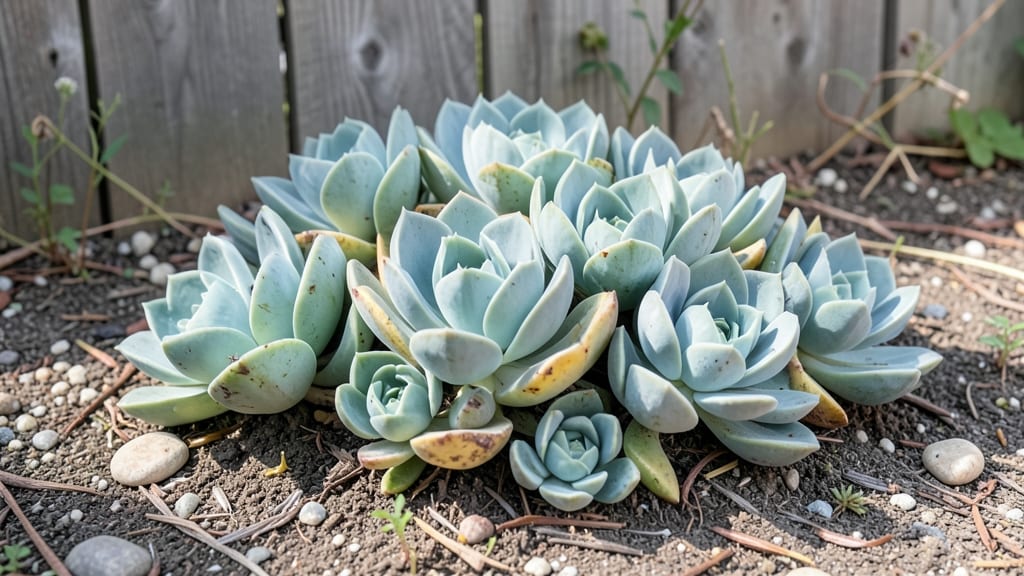
Growing flowering succulents outdoors transforms your yard into a vibrant, low-maintenance paradise that thrives even when you forget to water. ✨ I’ve turned my sunbaked front yard into a riot of color with varieties like echeveria, sedum, and agave—plants that bloom reliably while drinking almost nothing.
The key isn’t complicated: it’s about matching the right soil, sunlight, and timing to what these desert survivors actually need.
You’ll need well-draining soil mixed with coarse sand or perlite (think crumbly, not compact), a spot that gets at least 6 hours of sun daily, and a watering routine that mimics their natural habitat—deep soaks followed by drying out completely.
Most people overwater, which is why their succulents rot before they bloom. I’ve killed more than I’ve kept, but now I’ve got a foolproof system that keeps mine thriving through summer heat and winter chill.
By late spring, you’ll see those first delicate blooms appear—some in shocking pinks, others in deep purples—while the rest of the garden is still waking up. The plants stay compact, spread slowly, and require almost no upkeep once established.
Even in drought years, they’ll reward you with color when other plants struggle. The secret? Less is more with water, and patience pays off when the flowers finally arrive.
Works in zones 5 through 11, from rocky slopes to container gardens, and even thrives in urban heat islands. Whether you’re a beginner or a seasoned grower, these plants prove that beauty doesn’t require babying—just the right conditions. Let’s get those roots established!
📚 In This Guide
- What you need
- Instructions
- Tips and common mistakes
- Wrapping up and next steps
What you need
- ● Flowering succulents: Choose varieties like Kalanchoe blossfeldiana, Echeveria, or Sedum (3–5 plants per container or 1 per square foot in beds).
- ● Well-draining soil: 50% cactus/succulent mix + 50% perlite, pumice, or coarse sand (1 bag per 2–3 plants).
- ● Containers or garden beds: Pots: 6–12" diameter (1 per plant; ensure drainage holes!).
- ● Raised beds: At least 6" deep with side walls (or in-ground with amended soil).
- ● Gravel or pebbles: Small-sized (¼–½") for mulching (1–2 lbs per plant).
- ● Slow-release fertilizer: 10-10-10 or succulent-specific (1 tbsp per plant, spring/fall).
- ● Pruning shears: Sharp, sterilized (for deadheading or shaping).
- ● Drip irrigation system: Low-flow emitters (for automated watering).
- ● Lightweight shade cloth: 30–50% coverage (for hot climates; 4’x6’ panel).
- ● Epsom salt: 1 tbsp dissolved in water (monthly for magnesium boost).
- ● Decorative stones: For aesthetics around plant bases.
How to plant and care for flowering succulents outdoors
Here’s the straightforward approach I use to keep flowering succulents vibrant and blooming for years—no fuss, just beauty.
🪴 Step 1: Choose the Right Spot and Soil
Flowering succulents thrive in full sun—at least 6 hours daily. A south-facing spot with afternoon shade in hot climates works best. Avoid low-lying areas where water pools, as succulents rot easily. I always test the soil first: dig a small hole, fill it with water, and wait. If it drains in under 10 minutes, the spot’s perfect. If not, amend the soil with 1 part coarse sand or perlite to 3 parts native soil.
Use the 4 gallons of well-draining cactus/succulent mix for each plant. Mix it with 1 cup of perlite to lighten the blend—this prevents compaction and keeps roots oxygenated. The goal is soil that crumbles easily when dry and doesn’t clump when wet. If your native soil is heavy clay, skip the native mix entirely and stick to the pre-mixed succulent soil.
☀️ Step 2: Plant at the Right Depth and Spacing
Dig a hole twice as wide as the root ball but only as deep as the pot’s drainage hole. Succulents hate being buried too deep—it causes rot. Gently remove the plant from its container, loosen the roots if they’re circling, and place it in the hole. The top of the root ball should sit slightly above the surrounding soil level. This ensures water runs off quickly instead of pooling.
Space plants 12-18 inches apart—closer for trailing types like Sedum morganianum (burro’s tail), wider for upright bloomers like Echeveria. I like to arrange them in odd-numbered clusters (3, 5, or 7) for a natural, full look. After planting, give each a light watering to settle the soil, but don’t soak it. You’ll see the soil settle slightly—this is normal and helps prevent sinking over time.
💧 Step 3: Water Deeply but Infrequently
Water only when the soil is completely dry—stick your finger 2 inches down. If it feels dry, give a thorough soak until water runs out the drainage hole. If it’s still damp, wait another week. Overwatering is the #1 killer of succulents, and flowering varieties are no exception. I set a reminder on my phone for every 2-3 weeks in summer and once a month in winter. Less water in cooler months encourages stronger blooms next season.
After watering, let excess drain completely—never let plants sit in saucers of water. Mulch with 1 inch of gravel or coarse sand around the base to reflect sunlight and reduce evaporation. This keeps roots cooler and soil drier, which is especially important in hot climates. You’ll notice leaves stay plump and vibrant when watering is spot-on.
✂️ Step 4: Feed and Prune for Continuous Blooms
Feed with ½ teaspoon of balanced 10-10-10 fertilizer mixed into the soil at planting, then again in early spring. Too much fertilizer burns roots, so I skip it in summer—succulents go dormant in heat and don’t need extra nutrients. Instead, focus on deadheading spent blooms by pinching off faded flowers with clean fingers or small scissors. This redirects energy to new growth and encourages more flowers.
Prune leggy stems in late winter or early spring by cutting back ⅓ of the length with sterilized scissors. This promotes bushier growth and more blooms. Avoid pruning after summer—plants need all their energy to recover from heat stress. You’ll see fresh, compact growth within weeks of pruning, and flowers return stronger the next season.
⏰ Step 5: Protect Through Seasonal Shifts
In winter, move tender varieties like Kalanchoe blossfeldiana to a sheltered spot or bring them indoors if temps drop below 40°F. Hardier types like Sedum handle frost but may need a lightweight frost cloth for extra protection. I check soil moisture monthly in winter—overwatering in cold weather suffocates roots. Reduce watering to once every 6-8 weeks unless your home is very dry.
In summer, watch for signs of stress: wrinkled leaves mean underwatering, while mushy stems signal overwatering. Adjust your schedule based on what you see. A healthy flowering succulent has firm, glossy leaves and sturdy stems. If you notice pests like mealybugs, wipe leaves with a damp cloth dipped in 1 part rubbing alcohol to 3 parts water—this is gentler than chemical sprays and works fast.
Tips & tricks for perfect flowering succulents outdoors
A few simple tricks will help your flowering succulents thrive and keep blooming like clockwork all year.
The Soil Test Trick: When testing your soil's drainage in Step 1, I like to use a clear plastic bottle with holes poked in the bottom. Fill it with soil and water, then time how long it takes to drain. If it takes longer than 10 minutes, you definitely need to amend with that 1 part coarse sand or perlite to 3 parts native soil ratio. This simple test saves you from guessing—and prevents root rot before it starts.
Planting Depth Secret: In Step 2, that slight elevation of the root ball above soil level is crucial. I use a small wooden stake to mark the original soil line in the pot before transplanting—this helps me judge when the top of the root ball is just right. Too deep, and you'll suffocate those roots; too high, and they'll dry out. Aim for that sweet spot where the top sits just above the surrounding soil.
Watering Wisdom: The 2-3 week summer watering schedule in Step 3 works perfectly in most climates, but here's the thing: I check soil moisture right before my scheduled watering day. If the top 2 inches are still damp, I wait another week. Succulents are tough, but they won't forgive consistent overwatering. A moisture meter makes this even easier—just stick it in and let it tell you what to do.
Seasonal Care Calendar: For Step 5, I've found that marking my calendar with these key dates helps: February 15th for early spring feeding, June 1st for summer watering reminders, and November 1st for winter protection prep. This keeps all the seasonal shifts organized and prevents me from missing critical care periods. Plus, I add notes about which varieties need special attention each season.
Pro Tips for Flowering Succulents Outdoors
- A few simple tricks will help your flowering succulents thrive and keep blooming like clockwork all year.
- The Soil Test Trick: When testing your soil's drainage in Step 1, I like to use a clear plastic bottle with holes poked in the bottom.
- Planting Depth Secret: In Step 2, that slight elevation of the root ball above soil level is crucial.
Frequently asked questions
Got questions about bringing flowering succulents outdoors? You’re not alone! Here are answers to the most common concerns—from timing to troubleshooting—so you can enjoy vibrant blooms with ease.
When is the best time to plant flowering succulents outdoors?
Plant flowering succulents in early spring (after the last frost) or late summer (6–8 weeks before the first frost). This gives roots time to establish before extreme temperatures. Avoid planting in peak summer heat—succulents need time to acclimate to prevent sunburn or stress.
How often should I water flowering succulents once they’re outdoors?
Water deeply but infrequently—about once every 2–3 weeks (or when the soil is completely dry). Overwatering is the #1 killer! Use well-draining soil and pots with drainage holes to prevent root rot. In winter, reduce watering to once a month or less, as growth slows.
Can I keep flowering succulents outdoors year-round, or do they need winter protection?
Most flowering succulents (like echeverias or sedums) tolerate mild winters but need protection in freezing temps (<32°F/0°C). Move potted plants to a sheltered spot, cover with burlap or frost cloth, or bring them indoors. Hardy varieties (e.g., sempervivums) can stay outside with a thick layer of mulch.
Why aren’t my flowering succulents blooming outdoors?
Blooms often depend on light, stress, and proper care. Ensure they get 6+ hours of sunlight daily and a period of dormancy (like cooler nights in fall/winter). Over-fertilizing or inconsistent watering can also stunt flowers. Try reducing water slightly in late summer to encourage blooming.
What are the best low-maintenance flowering succulents for beginners?
Start with these resilient picks:
- Sedum ‘Autumn Joy’ – Hardy, drought-tolerant, and bursts with pink blooms.
- Kalanchoe blossfeldiana – Bright flowers year-round with minimal care.
- Echeveria ‘Lola’ – Compact, colorful, and thrives in containers.
- Portulaca grandiflora – Annual but ultra-drought-proof with cheerful blooms.
Wrapping up and next steps
Growing flowering succulents outdoors is a rewarding way to add vibrant color and low-maintenance beauty to your garden—even in drought-prone areas! 🌸 With the right sunlight, soil, and care, these resilient plants thrive year-round, offering stunning blooms while conserving water.
Whether you're a beginner or a seasoned gardener, their ease of care makes them a perfect choice for any outdoor space.
Now that you’re equipped with the tips and answers you need, why not start small? Pick a few hardy varieties like echeveria or sedum, plant them in a sunny spot, and watch your garden transform into a blooming paradise with minimal effort. Happy gardening! 🌿