
Orchid Care
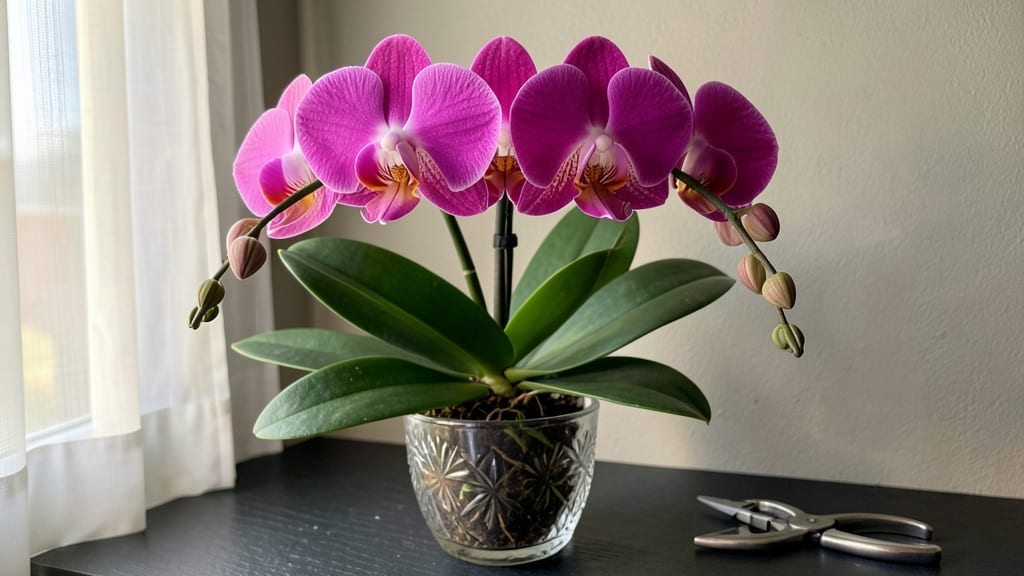
The stunning color orchid flower in cascading purple, fiery red, and creamy white instantly transported me into a dreamy tropical paradise the first time I saw them in a greenhouse. ✨ I’ll never forget how it felt—like stepping into a living painting.
These aren’t just flowers; they’re bold statements that bring drama and elegance to gardens, balconies, and even indoor spaces.
The secret to their impact lies in color coordination. Pair deep burgundy Phalaenopsis with lush green foliage for a moody, sophisticated look, or mix bright yellow Dendrobium with blue agapanthus for a sunny, cheerful contrast.
Containers and hanging baskets work best, letting their unique shapes and colors shine without competition from ground plants.
Imagine your garden bursting with jewel-toned blooms that last for months. A single orchid can anchor a patio display, while clusters in a mixed planter create a lush, layered effect. The right lighting and humidity will keep them thriving, turning heads every time someone passes by.
Whether you’re dreaming of a jungle-inspired retreat or a minimalist indoor oasis, orchids adapt beautifully. Start with one dramatic variety—like a deep magenta Cattleya—and let its colors inspire the rest of your space. The possibilities are endless, and the results will leave you grinning every time you see them bloom.
📚 In This Guide
- What you need
- Instructions
- Tips and common mistakes
- Wrapping up and next steps
What you need
- ● Color orchid variety: Choose from Phalaenopsis (moth orchids), Dendrobium, Cattleya, or Oncidium—each offers unique hues like purple, pink, blue, or even rainbow-like tones!
- ● Well-draining orchid potting mix: 1 bag (2-3 quarts) of bark-based or coconut fiber mix (avoid regular soil—orchids hate soggy roots!).
- ● Orchid pots: 1-2 plastic or clay pots with drainage holes (4-6 inches in diameter for mature plants).
- ○ Slotted baskets (optional but great for airflow—ideal for Dendrobium or Cattleya).
- ● Fertilizer: 1 bottle of balanced orchid fertilizer (20-20-20 or 10-10-10, diluted to half-strength).
- ○ Bloom booster (optional, for vibrant colors—look for high phosphorus like 10-30-20).
- ● Pruning shears: Sharp, sterilized shears (for trimming dead spikes or roots).
- ● Spray bottle: For misting (orchids love humidity!).
- ○ pH testing kit: (Optional but helpful—orchids thrive in pH 5.5–6.5).
- ● Grow lights: (If indoors) LED or fluorescent cool-white bulbs (12–14 hours/day).
- ○ Humidity tray or pebble tray: (Optional for dry climates—keeps air moist without overwatering).
- ● Patience & love: Orchids reward slow, consistent care with year-round blooms! 🌟
- ● 🌡️ Temperature control: Most orchids prefer 60–80°F (day) and 55–65°F (night).
- ● ✨ Light check: Avoid direct sunlight—Phalaenopsis orchids love bright, indirect light (like a north-facing window).
- ● 💧 Watering hack: Soak roots in room-temperature water for 5–10 minutes, then drain. Never let them sit in water!
How to care for colorful orchid flowers for long-lasting blooms
Orchids aren't just exotic—they're your ticket to vibrant blooms all year. Here's how to keep those stunning colors thriving indoors.
🪴 Step 1: Choose the Right Pot and Medium
Skip the decorative pots for now—orchids need airflow. Use a 4-6 inch plastic or terracotta pot with drainage holes. The medium matters too: orchids thrive in fir bark chunks or sphagnum moss (never regular potting soil). I repot mine every 1-2 years to refresh the mix, which breaks down over time.
Fill the pot about 2/3 full with the medium, leaving room at the top. The roots need space to breathe, so don't pack it down tightly. If you're using moss, soak it first to help it hold moisture without becoming waterlogged.
☀️ Step 2: Position for Bright, Indirect Light
Orchids crave bright, indirect light—think east-facing window or a few feet from a south window. Direct afternoon sun will scorch those delicate blooms, while dim corners make them stretch and lose color. I notice my orchids start to fade or grow leggy when they're not getting enough light.
Rotate the pot a quarter turn weekly so all sides get even exposure. You'll see the leaves stay a healthy medium green (never deep green or yellow) when light is just right. If the leaves turn dark, move it away from the light source.
💧 Step 3: Water with Precision
Orchids drown easily—water only when the medium feels completely dry to the touch. I test by lifting the pot: if it feels light, it's time. Soak the pot in lukewarm water for 5-10 minutes, then let it drain completely. Never let it sit in standing water.
Use room-temperature water—cold water shocks the roots. I water in the morning so excess moisture evaporates during the day. Yellow leaves often mean overwatering, while wrinkled leaves signal underwatering. Find that sweet spot where the medium stays slightly damp but never soggy.
✂️ Step 4: Prune and Fertilize for Continuous Blooms
After blooms fade, cut the stem 1 inch above a node (that little bump where leaves grow). New blooms often sprout from these nodes! I fertilize every 2-4 weeks with a balanced orchid fertilizer (20-20-20 or similar) diluted to half strength.
Skip fertilizer in winter if your home stays cool—orchids rest then. I notice my orchids bloom more prolifically when I give them a break from feeding during cooler months. Mist the leaves occasionally to increase humidity, especially if your home is dry.
🌿 Step 5: Monitor for Pests and Adjust Seasonally
Check leaves weekly for tiny black spots (scale) or webbing (spider mites). Wipe leaves with a damp cloth to remove dust and deter pests. If you spot trouble, isolate the plant and treat with neem oil (mix 1 tsp per quart of water).
In winter, reduce watering slightly—orchids need less moisture when days are short. I move mine away from cold drafts or heating vents, which dry out the air too much. With these adjustments, your orchids will keep delivering those stunning colors for months.
Tips & tricks for vibrant orchid care
Keeping orchids vibrant takes a few key insights that go beyond the basics. Here's what I've learned after years of growing these stunning plants.
Medium Matters: When repotting every 1-2 years, don't just replace the old medium—mix in about 20% fresh fir bark or moss with the existing mix. This gradual transition prevents root shock while giving your orchid the airflow it needs. I've found that orchids in completely new medium often struggle to adapt, especially if they're already established.
Light Testing: The quarter-turn weekly rotation in Step 2 isn't just about even exposure—it's also your chance to check for color changes. Healthy leaves should stay a vibrant medium green. If you notice one side turning slightly darker, that's your plant telling you it's getting too much direct light on that side. Move it slightly away from the window until you find the perfect balance.
Watering Wisdom: That 5-10 minute soaking in Step 3 is crucial, but here's the trick: use a pot with drainage holes that's about 1-2 inches larger than your orchid's root system. This prevents water from pooling at the bottom while still allowing complete saturation. I've ruined orchids by using pots that were too small—they'd dry out too quickly, but the roots couldn't reach the water.
Fertilizer Timing: The 2-4 week feeding schedule works best when you fertilize right after watering. This gives the roots time to absorb nutrients before the next watering cycle. In winter, I actually reduce to every 6-8 weeks when my home stays below 65°F—this resting period helps my orchids produce more dramatic blooms in spring.
Pro Tips for Color Orchid Flower
- Keeping orchids vibrant takes a few key insights that go beyond the basics.
- Medium Matters: When repotting every 1-2 years, don't just replace the old medium—mix in about 20% fresh fir bark or moss with the existing mix.
- Light Testing: The quarter-turn weekly rotation in Step 2 isn't just about even exposure—it's also your chance to check for color changes.
Frequently asked questions
What colors do color orchid flowers come in?
Color orchids (like Phalaenopsis or Cymbidium) come in a stunning spectrum: pinks, purples, whites, yellows, oranges, reds, and even bi-colors or striped varieties. Some even mimic rare hues like black (deep maroon) or blue (lavender). Pro tip: Look for "color-break" orchids—they develop new shades as they mature!
How long do color orchid flowers last before wilting?
With proper care, color orchid blooms last 2–6 months. Phalaenopsis (moth orchids) often top the list, staying fresh for 3–4 months. To extend their life:
Color orchids thrive indoors if you mimic their tropical habitat:
Yellow/mushy leaves usually signal overwatering or root rot. Check these fixes:
Yes! If you want easy color without fuss, try:
Can I grow color orchids indoors year-round?
Pro tip: Rotate your orchid weekly for even growth!
Why are my color orchid leaves turning yellow or mushy?
Issue
Solution
Soggy potting mix
Let the mix dry out 50% between waterings. Repot in orchid bark for better drainage.
Black, foul-smelling roots
Trim dead roots with sterilized scissors, repot, and reduce watering. Add fungicide if needed.
Cold drafts
Move away from AC vents/windows. Orchids hate sudden temp drops!
Are there low-maintenance color orchid alternatives?
Best pick for beginners: Phalaenopsis—they’re the most colorful and resilient!
Wrapping up and next steps
The color orchid flower is a stunning symbol of year-round beauty, offering a vibrant palette that brightens any space with elegance and grace. Whether you're drawn to the deep purples of Phalaenopsis or the fiery hues of Cattleyas, these blooms prove that nature’s artistry thrives with the right care. 🌸
Ready to bring home your own burst of color? Start by choosing the perfect orchid variety for your home, then gather the essentials—like well-draining pots and the right lighting—and dive into nurturing your plant. With patience and passion, your orchid will reward you with months of breathtaking blooms!
Next step: Pick your favorite orchid hue and get growing—your garden (or windowsill) will thank you! 🌱