Shrubs
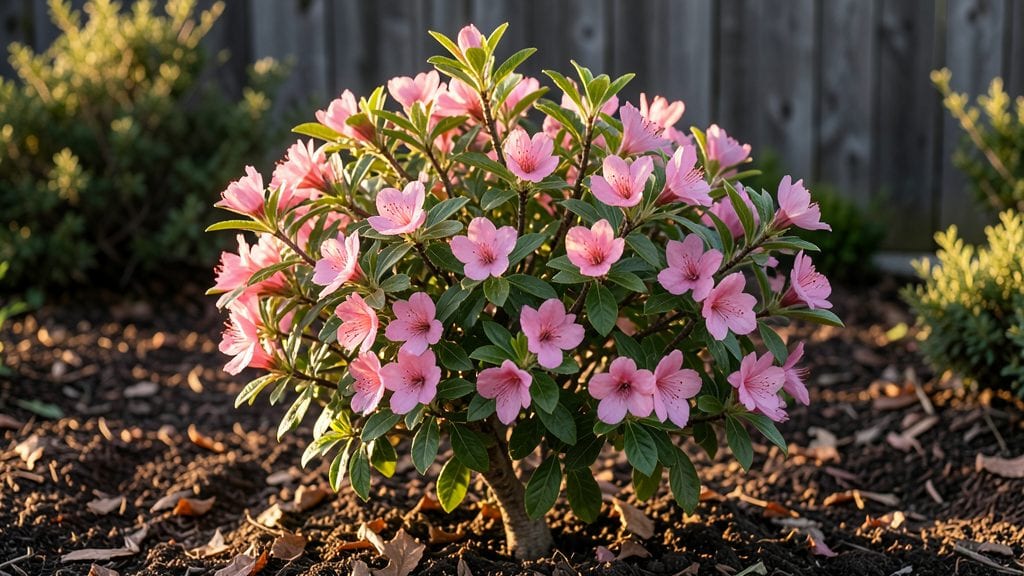
A flowering quince hedge transforms your yard into a fragrant sanctuary that blooms even before spring arrives. 🌸 I planted mine last autumn, and by February, the scent of honey and spice filled the air—long before my roses stirred.
The key lies in choosing the right variety and mastering the pruning rhythm that keeps it lush year after year.
Start with disease-resistant varieties like 'Flore Pleno' or 'Coccinea,' spaced 3-4 feet apart for a dense, impenetrable barrier. The soil doesn’t need to be fancy—just well-draining and amended with compost—but these shrubs thrive in full sun to partial shade.
Once established, they handle drought surprisingly well, making them low-maintenance once you get the pruning routine down.
You’ll see the payoff in early spring when clusters of fragrant blossoms cover the branches, followed by glossy red berries that add winter interest. The secret to long-term success? Prune immediately after flowering to shape the hedge and encourage next year’s blooms.
With proper care, these hedges live for decades, rewarding you with color and scent through all four seasons.
Perfect for formal gardens, privacy screens, or even as a dramatic backdrop for perennials. The fragrance alone makes it worth the effort—imagine walking past and being greeted by that sweet, spicy aroma every time. Let’s get yours growing strong!
📚 In This Guide
- What you need
- Instructions
- Tips and common mistakes
- Wrapping up and next steps
What you need
- ● Flowering quince plants (Chaenomeles speciosa) – 5–10 plants per 5-foot section (spaced 3–4 feet apart for a dense hedge). Choose dwarf varieties (e.g., 'Coccinea' or 'Nivalis') for smaller spaces.
- ● High-quality potting soil or garden loam – 2–3 cubic yards (amend with compost for better drainage).
- ● Organic mulch (wood chips or shredded bark) – 1–2 bags (2–3 cubic feet each) to retain moisture and suppress weeds.
- ○ Slow-release fertilizer (10-10-10 or balanced) – 1–2 pounds per 100 sq. ft. (optional but recommended for the first year).
- ● Peat moss or coconut coir – 1 bag (2–3 cubic feet) for improving soil structure.
- ● Shovel or spade – For digging planting holes (12–18 inches wide/deep).
- ● Garden trowel – For finer adjustments and transplanting.
- ● Wheelbarrow or bucket – To mix soil amendments and transport materials.
- ● Pruning shears or hedge trimmers – Bypass pruners (for shaping) or electric trimmers (for larger hedges).
- ● Measuring tape – To ensure proper spacing (3–4 feet between plants).
- ● Garden hose with spray nozzle – For deep watering (1–2 inches per week).
- ● Gloves and knee pads – For comfort during planting and pruning.
- ● Epsom salt (magnesium sulfate) – 1 tbsp per plant (boosts blooms and leaf health).
- ● Drip irrigation system – For automated watering (especially in hot climates).
- ● Hedge stakes and twine – To support young plants until established.
- ● Post-planting fungicide (copper-based) – Preventative measure for fungal diseases.
- ● Decorative edging (landscape fabric or stone) – For a polished border.
Step-by-Step guide to planting a fragrant flowering quince hedge
Here's how to create a stunning, low-maintenance hedge that blooms with intoxicating spring fragrance.
🌱 Step 1: Choose the Perfect Planting Location
Flowering quince thrives in full sun to partial shade, with at least 6 hours of direct sunlight daily. I always pick a spot where the morning sun warms the plants—this helps those fragrant blooms open fully. The hedge will grow 6-10 feet wide at maturity, so space your plants 4-6 feet apart for a dense, lush look.
Check the soil drainage before planting. Quince hates soggy roots, so if your soil stays wet for more than a day after rain, amend it with 2-3 inches of compost mixed into the top 12 inches of soil. You'll know you've got good drainage when water soaks in within 15-20 minutes after watering.
🪴 Step 2: Dig and Plant with Proper Spacing
Dig holes twice as wide as the root ball and just as deep. Gently remove each plant from its container and loosen the roots if they're circling. Place the plant in the hole so the top of the root ball sits 1 inch below soil level—this prevents rot while encouraging strong root growth.
Fill the hole with native soil, pressing lightly around the roots to remove air pockets. Water deeply right after planting to settle the soil. I always add a 2-inch layer of mulch around the base (keeping it 3 inches away from the trunk to prevent rot). This helps retain moisture and keeps weeds at bay.
☀️ Step 3: Establish Initial Watering Routine
Water newly planted quince once weekly for the first 3 months, giving each plant about 1 gallon of water. You'll know they're getting enough when the soil feels 2 inches deep feels moist but not soggy. After that, they're quite drought-tolerant once established.
During the first growing season, you'll see new growth emerge within 4-6 weeks. This is when the hedge starts to take shape. Avoid heavy pruning during this time—just let the plants grow naturally so they develop a strong root system. The first year is all about root establishment and minimal shaping.
✂️ Step 4: First Pruning for Shape and Health
Wait until late spring or early summer after flowering to do your first pruning. This is when the plant has finished blooming and is entering its growth phase. Use clean, sharp pruners to cut back any dead or crossing branches first—this opens up the center for better air circulation and prevents disease.
For shaping, I like to create a slightly tapered look by trimming the outer branches to encourage a natural, full appearance. Cut just above a leaf bud at a 45-degree angle to promote healthy regrowth. Never remove more than 25% of the plant's foliage in one session—this can stress the quince and reduce next year's blooms.
🌿 Step 5: Year-Round Care for Long-Term Beauty
After the first year, your quince hedge will need minimal care. Water during prolonged dry spells (no rain for 2+ weeks), giving each plant 2-3 gallons of water. You'll notice the leaves turn a beautiful bronze in fall—this is normal and adds seasonal interest.
Prune again in late winter or early spring before new growth begins. This keeps the hedge tidy and encourages abundant flowering. Remove any suckers or watersprouts that appear at the base—they drain energy from the main plant. With proper care, your flowering quince hedge will reward you with years of fragrant blooms and lush greenery.
Tips & tricks for perfect flowering quince hedge planting
A few key strategies will help you create a thriving, fragrant quince hedge that lasts for years. Confession: I learned these the hard way after struggling with my first hedge!
Soil Drainage is Non-Negotiable: In Step 1, when checking drainage, dig a small test hole nearby and fill it with water. If it doesn't drain within 15-20 minutes (as mentioned), you absolutely need that 2-3 inches of compost amendment. I've seen quince roots rot when planted in heavy clay—trust me, this step saves headaches later.
Root Ball Placement Matters: That 1-inch below soil level in Step 2 isn't just a suggestion—it's crucial for preventing crown rot. I used to plant with the root ball flush, and my first hedge struggled. Think of it like a bathtub: you want water to drain away from the plant, not pool around it.
Watering Wisdom: The once-weekly watering for 3 months in Step 3 is perfect, but here's the secret: water deeply each time rather than frequent light waterings. This encourages deep root growth. I've seen plants develop shallow roots when watered too often, making them vulnerable to drought later.
Pruning Precision: When shaping in Step 4, cut just above a leaf bud at a 45-degree angle—this isn't just for looks. The angle prevents water from sitting on the cut and promotes faster healing. And that 25% limit? I've pushed it before and ended up with sparse blooms the next season. Patience pays off!
Pro Tips for Flowering Quince Hedge
- A few key strategies will help you create a thriving, fragrant quince hedge that lasts for years.
- Soil Drainage is Non-Negotiable: In Step 1, when checking drainage, dig a small test hole nearby and fill it with water.
- Root Ball Placement Matters: That 1-inch below soil level in Step 2 isn't just a suggestion—it's crucial for preventing crown rot.
Frequently asked questions
Got questions about creating or maintaining a flowering quince hedge? You’re not alone! Here are answers to the most common queries—from planting tips to troubleshooting—so you can enjoy a fragrant, low-maintenance hedge year-round.
How fast does a flowering quince hedge grow?
A flowering quince hedge grows at a moderate pace, typically adding 12–24 inches per year under ideal conditions. With proper pruning, you can shape it into a dense, uniform barrier in 2–3 years. For faster results, opt for container-grown plants or layer young shrubs closely together.
When is the best time to prune a flowering quince hedge?
Prune your hedge right after flowering (late spring to early summer) to encourage dense growth for the next season. Avoid heavy pruning in fall or winter, as it can stimulate tender new growth vulnerable to frost damage. Light shaping in late winter (before buds swell) is fine, but skip drastic cuts.
Can flowering quince hedges be used for screening in small yards?
Flowering quince thrives in small spaces and stays compact (typically 6–10 feet tall and 4–6 feet wide with pruning). Its semi-evergreen foliage and fragrant blooms make it a perfect space-saving screen. Just ensure it gets 6+ hours of sunlight daily for best performance.
What are some alternatives if flowering quince isn’t available?
If flowering quince is hard to find, consider these fragrant, low-maintenance hedging options:
- Dwarf Fothergilla – Delicate white blooms in spring, fall color.
- Abelia – Glossy leaves, continuous blooms, and drought-tolerant.
- Pieris japonica – Evergreen with cascading white flowers in early spring.
- Boxwood (Buxus) – Classic, dense, and fragrant when crushed (but needs more frequent pruning).
Why are my flowering quince leaves turning yellow or brown?
Yellowing or browning leaves usually signal overwatering, underwatering, or fungal issues. Check these fixes:
| Issue | Solution |
|---|---|
| Yellow leaves with brown edges | Reduce watering; quince prefers well-draining soil. |
| Black spots or powdery mildew | Improve airflow with pruning; apply fungicide if severe. |
| Wilting or crispy leaves | Water deeply 1–2 times per week (more in heatwaves). |
If problems persist, test your soil’s pH (6.0–7.0 ideal) or check for pests like spider mites.
Pro Tip: Mulch your hedge with 2–3 inches of organic mulch (like wood chips) to retain moisture, suppress weeds, and protect roots from temperature swings. Just keep mulch away from the trunk to avoid rot!
Wrapping up and next steps
A flowering quince hedge is more than just a stunning addition to your landscape—it’s a fragrant, low-maintenance masterpiece that rewards patience with year-round beauty. With the right pruning techniques and care, you’ll enjoy vibrant blooms, lush foliage, and a sweet aroma that turns your garden into a serene retreat.
Ready to transform your outdoor space? Start by sketching your hedge design—then gather your tools and dive in! Whether you’re a seasoned gardener or a curious beginner, every trim brings you closer to a fragrant, picture-perfect hedge. Happy pruning! 🌸✂️