
Pruning
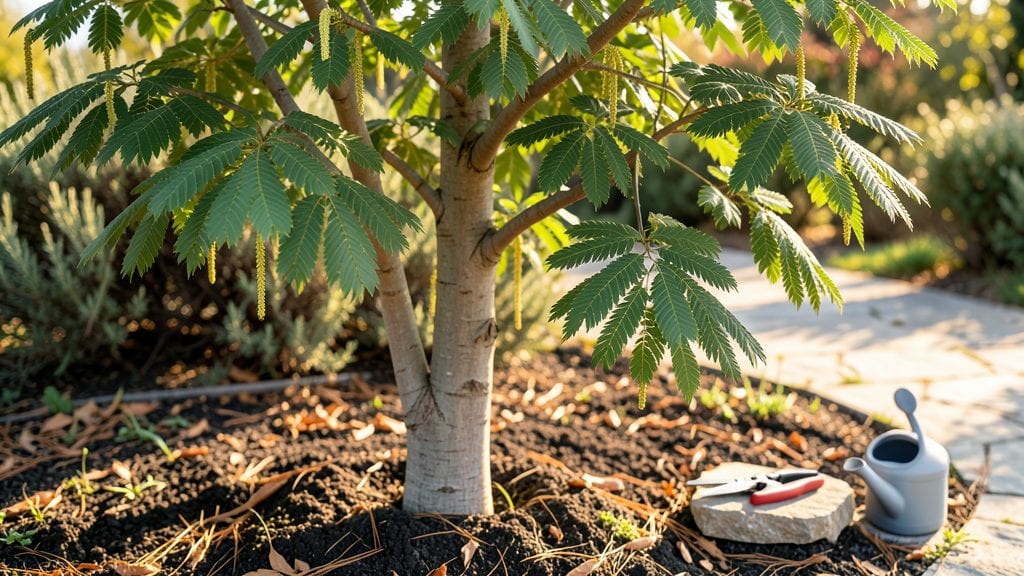
Your flowering pistachio tree’s springtime spectacle starts with pruning its layered canopy—this is how you unlock those cascading blooms year after year. ✨ I’ve watched mine transform from a tangled mess into a showstopper by focusing on the right cuts at the right time, and the difference is night and day.
The key isn’t just trimming branches—it’s shaping the tree to encourage sunlight penetration and air flow, which keeps those fragrant flowers coming back thicker every spring.
The secret lies in three simple steps: removing dead or crossing branches first, then thinning the canopy to let light reach the inner layers, and finally shaping the outer edges for balance.
You’ll need sharp pruning shears, a ladder (for taller trees), and a clear day to work—this isn’t a job for stormy weather or dull tools.
Most home gardeners overlook the importance of timing, but pruning right after the last frost (when new growth starts) gives your tree the best chance to recover before summer heat hits.
What you’ll end up with is a tree that looks like it belongs in a botanical garden, not your backyard. Those delicate, fragrant flowers will blanket your patio in spring, and the tree’s natural shape will make it the centerpiece of your landscape.
The best part? Proper pruning extends the tree’s lifespan, so you’re not just fixing one season—you’re investing in years of blooms. Let’s get those shears ready and turn your pistachio into a springtime star.
Works for both ornamental varieties and edible nut types, though edible pistachios need slightly different pruning for nut production. Whether you’re dealing with a young sapling or a mature tree, the same principles apply—just adjust the scale. Here’s how to make it happen without stressing your tree (or yourself).
📚 In This Guide
- What you need
- Instructions
- Tips and common mistakes
- Wrapping up and next steps
What you need
- ● Pruning shears: Bypass pruners (for small branches, ¼"–¾" thick)
- ● Loppers: 8–12" handles (for branches ¾"–2" thick)
- ● Pruning saw: Curved-tooth saw (for branches 2"+ thick)
- ● Disinfectant: 70% isopropyl alcohol or 1-part bleach to 9-parts water (to sterilize tools)
- ○ Pruning sealant: Optional (for cuts > ½" thick, like Tanglefoot Tree Wound Pruning Seal)
- ● Heavy-duty gloves: Cut-resistant (e.g., mechanics’ gloves or gardening gloves with Kevlar)
- ● Ladder or step stool: Sturdy, 10–12 ft tall (for tall branches)
- ● Trash bags or bucket: For collecting debris (aim for 2–3 large bags)
- ● Extension pole saw: For high branches without a ladder
- ● Marking spray: Fluorescent paint (to tag branches for removal)
- ● Camera or phone: To document progress (for reference later!)
- ● Safety goggles: Protects eyes from debris
- ● Timing: Prune in late winter/early spring (before buds swell) or summer (after flowering)
- ● Weather: Choose a dry, overcast day (avoid pruning if rain is forecasted within 24 hours)
- ● Tree health: Inspect for pests/disease first (aphids, scale, or fungal spots may need treatment before pruning)
How to prune a flowering pistachio tree for a stunning spring display
Springtime is the perfect season to shape your pistachio tree’s canopy—here’s how to encourage vibrant blooms and healthy growth.
🌿 Step 1: Assess the Tree’s Structure and Identify Key Areas
Start by examining your pistachio tree for dead, diseased, or crossing branches—these are your top priorities. Pistachio trees naturally grow with a vase-like shape, so aim to maintain that open framework. Look for branches that rub against each other or grow inward; these compete for sunlight and can weaken the tree.
Use your hands to gently feel for dead wood—it’ll be dry, brittle, and snap easily. Healthy branches bend slightly before breaking. Mark these areas with a small flag or twine so you don’t miss them during pruning. This step ensures you’re only removing what’s necessary, preserving the tree’s natural beauty.
✂️ Step 2: Remove Dead, Diseased, and Problematic Branches First
Grab your sharp pruning shears and make clean cuts just outside the branch collar—the swollen area where the branch meets the trunk. Avoid leaving stubs, as they invite rot and disease. For thicker branches over ½ inch in diameter, use loppers to avoid tearing the bark.
Focus on removing suckers (fast-growing shoots at the base) and water sprouts (vertical shoots with no leaves). These drain energy from the tree’s flowering branches. Once you’ve cleared out the weak or problematic growth, step back and admire the new openness—this is where light and air will flow, setting the stage for better blooms.
☀️ Step 3: Thin the Canopy to Encourage Sunlight Penetration
Now, it’s time to thin the canopy by selectively removing 25-30% of the foliage. Focus on branches that are too dense, allowing sunlight to reach the inner layers of the tree. Pistachio trees bloom best when they receive full sun exposure, so prioritize branches that block light from the center.
Cut back to a side shoot or bud that grows outward, never leaving a stub. You’ll notice the tree’s natural shape start to emerge as you work—this is the moment you’re shaping its future growth. Avoid over-thinning, though; pistachio trees need some shade to protect their delicate flowers from harsh afternoon sun.
🌱 Step 4: Shape the Tree for Balanced Growth and Flowering
Use your hand pruners to trim back any branches that are growing too long or leggy. Aim to create a balanced, layered look with the lowest branches about 3-4 feet off the ground. This encourages a fuller, more compact tree that’s easier to maintain and produces more flowers.
Pay special attention to the outer edges of the canopy—these are where new growth will emerge. A lightly tapered shape prevents the tree from becoming top-heavy, which can lead to storm damage. Step back every few minutes to check your progress; you’ll see the tree’s natural elegance start to shine through as you refine its form.
⏰ Step 5: Clean Up and Monitor for New Growth
After pruning, sterilize your tools with rubbing alcohol to prevent spreading disease. Collect and dispose of all clippings—never leave them on the ground, as they can harbor pests. Water the base of the tree deeply to help it recover, but avoid overwatering, which can stress the roots.
Over the next 4-6 weeks, watch for new shoots emerging from the pruned areas. These indicate the tree is healing well. If you notice any yellowing leaves or wilting, it’s a sign of stress—adjust your watering and provide some afternoon shade until the tree stabilizes. Your efforts will pay off in vibrant spring blooms and a healthier, more resilient tree.
Tips & tricks for perfect flowering pistachio tree pruning
These simple tricks will help you transform your pistachio tree into a stunning springtime spectacle while keeping it healthy for years to come.
The Branch Collar Rule: In Step 2, when you're making those clean cuts outside the branch collar, here's what I learned the hard way: never cut flush with the trunk. The branch collar is like the tree's natural bandage—it protects the wound from disease. I used to cut too close, and those areas always ended up with blackened spots. Aim for about 1/8 inch outside the collar, and you'll see fewer problems with rot and infection.
Thinning Strategy for Blooms: When you're thinning the canopy in Step 3, focus on removing branches that are growing toward the center of the tree. Pistachio flowers need sunlight to develop properly, so prioritize branches that create that open vase shape. I like to think of it like opening a curtain—you want to let light pour in while maintaining that elegant structure.
Seasonal Timing Tip: The best time to prune is actually late winter to early spring, right before the buds swell but before they break open. This gives your tree time to heal before the growing season starts. I've pruned in summer before, and while it works, the tree struggles more with recovery. The 4-6 week healing period mentioned in Step 5 works perfectly when you prune at this optimal time.
Tool Maintenance Secret: After you're done pruning, don't just wipe off your tools—sterilize them properly. I keep a small bottle of rubbing alcohol handy specifically for this. Clean tools prevent spreading disease between cuts, which is especially important when you're working with multiple branches. It's a small step that makes a big difference in your tree's long-term health.
Pro Tips for Flowering Pistachio Tree
- These simple tricks will help you transform your pistachio tree into a stunning springtime spectacle while keeping it healthy for years to come.
- The Branch Collar Rule: In Step 2, when you're making those clean cuts outside the branch collar, here's what I learned the hard way: never cut flush with the trunk.
- Thinning Strategy for Blooms: When you're thinning the canopy in Step 3, focus on removing branches that are growing toward the center of the tree.
Frequently asked questions
Got questions about nurturing your flowering pistachio tree for that stunning springtime display? You’re not alone! Here are answers to the most common queries—from pruning timing to troubleshooting—so you can keep your tree thriving and blooming beautifully.
When is the best time to prune a flowering pistachio tree for optimal blooms?
The ideal window is late winter to early spring, just before buds swell but before flowers appear. This timing encourages vigorous growth and abundant blooms. Avoid pruning in fall or during flowering, as it can stress the tree and reduce next year’s blossoms.
How long does it take for a newly pruned pistachio tree to flower again?
With proper pruning, most flowering pistachio trees rebound within 1–2 years. Young trees may take slightly longer (2–3 years), but consistent care—like balanced fertilization and watering—speeds up recovery. Patience pays off with dramatic spring displays!
What should I do if my pistachio tree isn’t flowering after pruning?
Check these first:
- Age: Young trees (under 5 years) may not flower yet.
- Light: Ensure it gets 6+ hours of sunlight daily.
- Nutrients: Test soil for nitrogen/phosphorus imbalances.
- Stress: Overwatering or drought can delay blooms.
Can I prune a flowering pistachio tree in summer? What are the risks?
Summer pruning is possible but risky. Heat stress and sap loss can weaken the tree, reducing next year’s flowers. If you must prune, do it early morning, remove no more than 25% of foliage, and water thoroughly. Fall pruning is also discouraged—stick to winter/early spring for best results.
Are there alternatives to traditional pruning for encouraging flowers?
Yes! Try these low-maintenance methods:
- Thinning cuts: Remove selective branches (not just random trimming) to improve airflow.
- Root pruning: Gently trim roots in early spring to stimulate top growth.
- Fertilizer tweaks: Use low-nitrogen, high-phosphorus fertilizers to boost blooms.
- Mulching: Add 2–3 inches of mulch to retain moisture and regulate soil temp.
Wrapping up and next steps
The flowering pistachio tree is a stunning addition to any landscape, and with the right pruning techniques, you can unlock its full potential for a breathtaking spring display. By mastering layered canopy pruning—balancing structure, airflow, and bloom stimulation—you’ll ensure vibrant growth and healthier yields. 🌸
Now that you’re equipped with the tools and know-how, why not take action this season? Start small—prune a single branch today—and watch your tree transform into a springtime masterpiece. Happy gardening! 🌿