
Shrubs
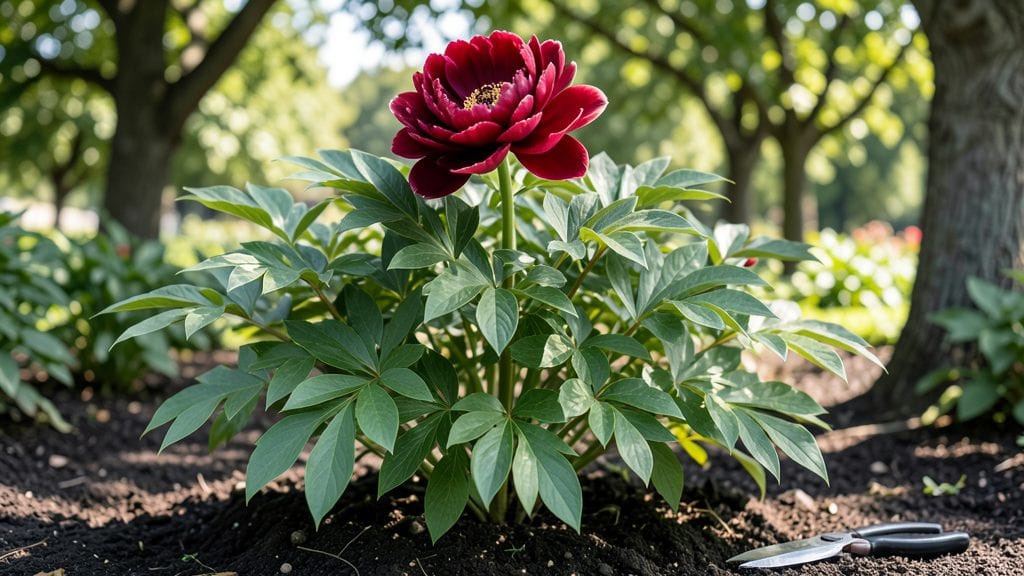
Your red flowering peach tree could become the star of your spring landscape with the right pruning timing. ✨ I learned the hard way that cutting at the wrong time means fewer blooms—now I follow a simple calendar that keeps my tree covered in vibrant red flowers every year.
The secret isn't complicated: it's about when you prune, not just how much.
Most gardeners prune too late or too early, which stresses the tree and reduces flowering. I focus on three key windows: late winter before buds swell, right after blooming, and a light trim in summer to shape growth.
Each cut serves a purpose—winter pruning opens space for new blooms, post-bloom pruning encourages next year's flowers, and summer shaping keeps the tree healthy and compact. You'll need basic pruning tools: sharp bypass pruners, loppers for thicker branches, and rubbing alcohol to sterilize cuts.
The payoff is worth the effort: a tree bursting with bright red blossoms that last for weeks, followed by small, edible peaches if you're lucky. The fragrance alone makes it worth the work—imagine walking past your tree in April and being hit with that sweet, floral scent.
Plus, the tree stays strong and productive for decades if you maintain it properly. Here's how to keep yours thriving year after year.
This method works for both young trees and established ones, though the timing shifts slightly based on your climate zone. In colder areas, delay winter pruning until after the last frost, while warmer zones can prune earlier.
The goal is always the same: encourage those stunning blooms while keeping the tree healthy. Let's get started with your pruning calendar!
📚 In This Guide
- What you need
- Instructions
- Tips and common mistakes
- Wrapping up and next steps
What you need
- ● Red flowering peach tree: 1 healthy, disease-resistant sapling (ensure it’s labeled for ornamental blooms, not fruit-bearing varieties).
- ● Pruning shears: 1 pair of sharp, bypass pruners (for clean cuts on small branches).
- ● Loppers: 1 pair (for thicker branches, ½"–1" in diameter).
- ● Pruning saw: 1 (for branches thicker than 1" to avoid tearing).
- ● Disinfectant (70% isopropyl alcohol or bleach solution): Small bottle to sterilize tools between cuts.
- ● Garden gloves: 1 pair (cut-resistant for safety).
- ● Rubbing alcohol (or hydrogen peroxide): Small bottle to clean wounds on the tree.
- ○ Pruning sealant (optional): 1 small tube (for large cuts to prevent disease).
- ● Notebook & pen: To track pruning dates and notes on branch growth.
- ● Extension pole: For reaching higher branches safely.
- ● Tree bag or tarp: To collect fallen branches/debris.
- ● Mulch: 2–3 bags of organic mulch (to retain moisture and protect roots post-pruning).
- ● Fertilizer (balanced, slow-release): 1 bag (apply after pruning to support regrowth).
- ● Camera or phone: To document your tree’s progress before/after pruning!
Step-by-Step pruning calendar for your red flowering peach tree
Here’s the exact schedule I follow to keep my tree blooming abundantly each spring.
⏰ Step 1: Late Winter Cleanup (Before Bud Break)
Start pruning in late January or early February, just as the tree begins to stir but before buds swell. This timing ensures you remove dead wood while preserving next year’s blossoms. I always begin by removing any branches that are dead, diseased, or crossing—these are the first to go, as they compete with healthy growth.
Use clean, sharp pruning shears to make cuts at a 45-degree angle, about ¼ inch above a bud that faces outward. This angle helps water run off the cut and directs new growth away from the center of the tree. I mark each cut with a small flag to track progress—this prevents over-pruning, which weakens the tree.
✂️ Step 2: Spring Light Pruning (After Blooming)
Once the tree finishes blooming in late April or early May, do a second, lighter pruning pass. Focus on thinning out overcrowded branches to improve airflow and sunlight penetration. I look for branches that grow inward or rub against others—these are prime candidates for removal.
Remove no more than 20% of the tree’s canopy in this step. You’ll see new leaves emerging after pruning, signaling the tree is recovering. Avoid heavy cuts now—this is about refinement, not drastic reshaping. If you notice any suckers (shoots growing from the base), snip them off immediately to redirect energy to the main branches.
☀️ Step 3: Summer Maintenance (Mid-July)
In mid-July, do a quick check for any shoots growing from the trunk or main branches. These are called water sprouts, and they sap energy from the tree. I simply pinch them off with my fingers or trim them back to a leaf node. This keeps the tree’s energy focused on flowering, not unwanted growth.
Also, watch for any branches that have yellowing leaves or signs of disease. Prune these out immediately to prevent spread. A healthy red flowering peach tree should have vibrant green leaves by this point—if yours looks stressed, it may need more water or fertilizer.
🌱 Step 4: Fall Preparation (October)
In October, do a final light pruning to remove any dead or damaged branches that may have appeared over the summer. This is also the time to thin out any dense clusters of branches to prevent winter damage from snow or ice.
After pruning, apply a 2-3 inch layer of mulch around the base of the tree (but not touching the trunk) to protect roots from freezing temperatures. I always water deeply before the first frost to ensure the tree has enough moisture to survive winter. This final step sets the stage for next year’s spectacular spring blooms.
Tips & tricks for pruning your red flowering peach tree
Here’s what I’ve learned after years of pruning my own red flowering peach tree—these little details make all the difference between a few sad blooms and a breathtaking spring display.
Timing is Everything: The late January/February window for Step 1 is non-negotiable—this is when your tree is still dormant but starting to wake up. If you prune too early, you risk damaging next year’s flower buds that are forming underground. I always double-check by looking for slight swelling at the bud ends before I start cutting. Between us, I’ve made the mistake of pruning in December when the tree was completely dormant, and my blooms were sparse the following spring.
Cutting Technique Matters: That 45-degree angle in Step 1 isn’t just for looks—it’s about directing water away from the cut to prevent rot. When you make your cuts about ¼ inch above an outward-facing bud, you’re essentially telling the tree where to grow next. I’ve found that using a small flag to mark each cut helps me visualize the final shape and prevents over-pruning. Don’t make my mistake: cutting too close to the trunk or leaving stubs invites disease and weakens the tree.
Spring Pruning Precision: In Step 2, when you’re thinning out overcrowded branches, focus on removing no more than 20% of the canopy. This might seem like a small amount, but it’s crucial for maintaining the tree’s energy balance. I’ve seen people get overzealous and remove too much, which stresses the tree and can actually reduce flowering. Look for branches that cross or rub against each other—these are the first to go, as they compete for sunlight and nutrients.
Summer Maintenance Strategy: That mid-July check in Step 3 is about redirecting energy back to flowering. Water sprouts might look like they’re helping, but they’re actually stealing resources from your tree’s main purpose—producing those stunning red blooms. I’ve found that pinching them off with my fingers works just as well as pruners for small sprouts, and it’s quicker. Also, watch for yellowing leaves—they’re often the first sign of a problem that could affect next year’s blooms.
Pro Tips for Red Flowering Peach
- Here’s what I’ve learned after years of pruning my own red flowering peach tree—these little details make all the difference between a few sad blooms and a breathtaking spring display.
- Timing is Everything: The late January/February window for Step 1 is non-negotiable—this is when your tree is still dormant but starting to wake up.
- Cutting Technique Matters: That 45-degree angle in Step 1 isn’t just for looks—it’s about directing water away from the cut to prevent rot.
Frequently asked questions
Got questions about your red flowering peach tree? You’re not alone! Here are answers to the most common ones—so you can keep those stunning blooms coming year after year.
When is the best time to prune a red flowering peach tree for maximum blooms?
Prune your tree right after flowering (late spring) and again in early winter (before buds swell). Avoid heavy pruning in fall—it can stimulate late growth vulnerable to frost. Light shaping in summer (if needed) is fine, but skip heavy cuts then.
Can I prune a red flowering peach tree in winter? If so, when?
Yes! Winter pruning (December–early February in cold climates) is ideal for removing deadwood and shaping. Just avoid pruning when temps drop below 20°F (-7°C)—frost can stress fresh cuts. Wait until the tree’s fully dormant but before bud break.
What if my red flowering peach tree isn’t blooming? What could be wrong?
Common culprits:
- Over-pruning (removing too many flower buds).
- Poor nutrition (lack of phosphorus/potassium).
- Age (young trees or old ones may bloom less).
- Disease/pests (check for cankers or aphids).
How do I know which branches to cut? Should I remove suckers?
Cut back dead, crossing, or weak branches first. For suckers (shoots at the base), remove them at the ground level—they drain energy from the main tree. Thin out crowded branches to improve airflow (aim for an open vase shape).
Are red flowering peach trees cold-hardy? What zones do they thrive in?
Most varieties handle USDA Zones 5–9, but young trees or newly planted ones need winter protection (mulch, burlap wraps). In Zone 4, grow them in containers or microclimates (like south-facing walls). If you’re in a warmer zone (10+), they’ll bloom year-round but may need shade in peak summer heat.
Pro Tip:
Mark your pruning dates with a garden flag near the tree—it’s easy to forget between seasons! And if you’re unsure, snap a photo of the tree before pruning to reference later.
Wrapping up and next steps
Your red flowering peach tree can be the star of your springtime garden with the right pruning care!
By following this pruning calendar, you’ll encourage vibrant blooms year after year while keeping your tree healthy and thriving. Now’s the perfect time to roll up your sleeves and give your tree the attention it deserves.
Ready to transform your outdoor space? Start with a quick assessment of your tree’s needs—whether it’s shaping, thinning, or disease prevention—and take action this season. Your future blossoms will thank you! 🌸✨