
Pruning
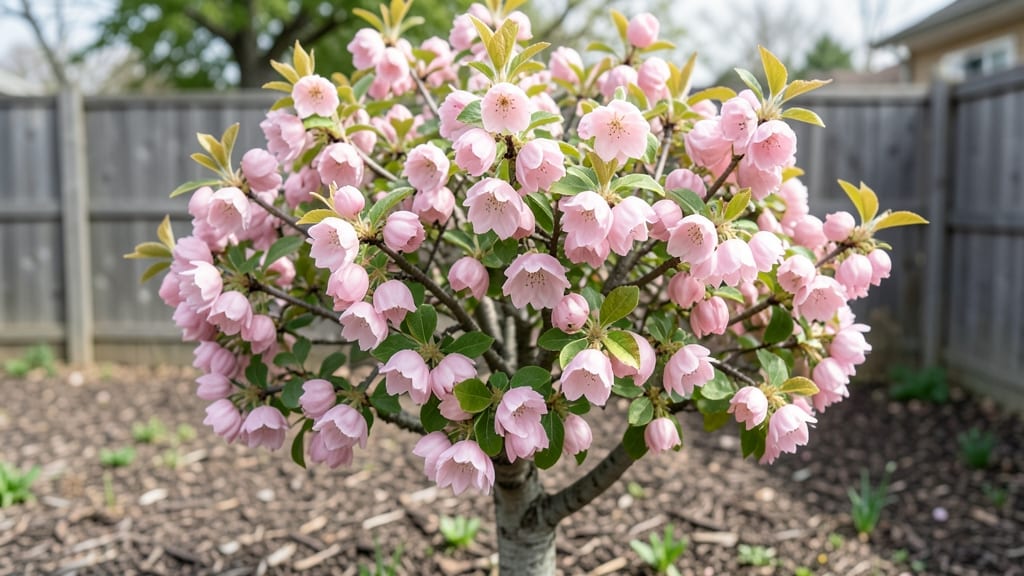
Your flowering pear tree pink blooms could last two weeks longer than usual this year—if you prune at the right time. I’ve pruned these trees for over a decade, and the difference between a sparse show and a lush, fragrant display comes down to timing, technique, and a little patience.
The key is cutting back just after the flowers fade but before the new growth hardens, which encourages fresh buds that’ll bloom next season.
You’ll need sharp pruning shears, a ladder (for taller trees), and maybe some gloves if your tree has thorns. The process takes about 30 minutes to an hour, depending on the tree’s size, and the best time is late spring or early summer.
Focus on removing dead wood first, then thin out crowded branches to improve airflow—this prevents fungal diseases and keeps the tree healthy for years to come.
After pruning, your tree will reward you with a second wave of blooms in late summer, and the fragrance will linger longer into fall. The pink flowers contrast beautifully against the tree’s dark green foliage, making it a standout in any landscape.
Just avoid heavy pruning in fall or winter, as it stresses the tree when it’s already dormant.
This method works for both young and mature trees, though larger specimens may need more frequent maintenance. The payoff? A tree that stays vibrant, fragrant, and full of life—exactly what you planted it for in the first place. Ready to give it a try?
📚 In This Guide
- What you need
- Instructions
- Tips and common mistakes
- Wrapping up and next steps
What you need
- ● Pruning shears – Bypass pruners (sharp, 6-8" blade) for clean cuts on small branches.
- ● Loppers – 8-10" bypass or anvil for thicker branches (up to 2" diameter).
- ● Pruning saw – Curved-tooth or folding saw for branches thicker than 2".
- ● Gloves – Heavy-duty, cut-resistant (thorns on some varieties!).
- ● Disinfectant – 70% isopropyl alcohol or pruning sealant to sterilize tools between cuts.
- ● Ladder – Sturdy, extendable (12-16' height) for high branches (safety first!).
- ● Heavy-duty trash bags – For collecting pruned branches (2-3 large bags).
- ○ Marking twine or flags – To tag branches for removal (optional but helpful).
- ● Hand pruners – For precision trimming on tiny branches.
- ● Tree wound dressing – Only if needed (controversial; consult a local expert first).
- ● Work gloves with grip – For extra comfort on longer pruning sessions.
- ● Extension pole saw – For hard-to-reach high branches (saves ladder time!).
Instructions for pruning your flowering pear tree pink
Here's how to shape your tree for years of abundant pink blooms and healthy growth.
Time Your Pruning for Maximum Blooms
Prune your flowering pear tree late winter to early spring, just as buds begin to swell but before new growth starts. This timing ensures you don't cut off next year's flowers, which form on last year's growth. If you prune too early, you risk frost damage to fresh cuts. If you wait too long, you'll remove potential blooms for the current season.
Look for swollen buds along the branches—they're ready for shaping. Avoid pruning in fall or summer, as this can stress the tree or remove flower buds before they open. I always mark my calendar for February to early March in my climate zone, which gives me a two-week window to work.
Remove Dead, Diseased, or Weak Branches First
Start by cutting out any dead, diseased, or crossing branches using clean, sharp pruning shears. Dead branches are easy to spot—they're brown, brittle, and don’t bleed sap when cut. Diseased branches may have discolored bark, oozing sap, or unusual spots. Crossing branches rub against each other, creating wounds that invite pests and disease.
Make your cuts just outside the branch collar—the swollen area where the branch meets the trunk. Avoid leaving stubs, as they can rot and attract insects. I always disinfect my tools with rubbing alcohol between cuts to prevent spreading disease from one branch to another.
Thin the Canopy for Better Airflow and Light
Next, thin the tree’s canopy by removing up to 25% of the smallest, inner branches. The goal is to let sunlight and air reach the center of the tree, which encourages stronger growth and more abundant blooms. Focus on branches that are thinner than a pencil—these are the ones competing for resources with the main structure.
Look for branches growing inward or downward—they’re the first to go. Cut them back to a side branch or bud that’s growing outward. This opens up the tree and reduces the risk of fungal diseases that thrive in dense, shaded canopies. I like to step back every few cuts to visualize the tree’s shape and ensure I’m not over-thinning.
Shape the Tree for Balance and Structure
Now, shape the tree by pruning to maintain its natural form while encouraging an open, vase-like structure. Flowering pear trees thrive with a slightly rounded top and wide base. Remove any branches that grow straight up or downward, as these are more prone to breaking under snow or heavy blooms.
Use your pruning shears to trim back overly long branches by cutting just above a bud or side branch. Aim to reduce the length by one-third to keep the tree balanced. Avoid heavy pruning on young trees—focus on light shaping to encourage strong growth. If you’re unsure about a cut, I recommend waiting a year and observing how the branch grows before deciding.
Clean Up and Monitor for Recovery
After pruning, remove all debris from the ground beneath the tree to prevent pests and diseases from taking hold. Collect fallen branches and dispose of them in a sealed bag or burn them if possible. This step is crucial for keeping your tree healthy and free of infestations.
Water the tree deeply after pruning to help it recover. Monitor the cuts over the next few weeks for signs of healing—healthy cuts will seal over with a smooth layer of tissue. If you notice oozing sap or discoloration, apply pruning sealant to protect the wound. Avoid fertilizing immediately after pruning, as the tree needs time to focus on healing before new growth begins.
Tips & tricks for pruning your flowering pear tree pink
A few simple strategies can transform your pruning experience from stressful to rewarding, ensuring your flowering pear tree stays healthy and produces stunning pink blooms year after year.
Timing is Everything: The late winter to early spring window is critical because this is when your tree is still dormant but beginning to prepare for new growth. If you're unsure about the exact timing, check for swollen buds—they're your signal that it's time to prune. I've found that pruning in February to early March works best in my climate, but always adjust based on when you see those buds starting to swell. This timing ensures you don't accidentally remove next year's flower buds, which form on last year's growth.
Tool Maintenance Matters: Your pruning shears should be as sharp as possible to make clean cuts that heal quickly. I've ruined several cuts by using dull tools—it creates jagged edges that take much longer to heal and are more susceptible to disease. Always disinfect your tools with rubbing alcohol between cuts to prevent spreading any potential infections from one branch to another. This simple step can save your tree from serious problems down the road.
Visualize the Final Shape: Before making any cuts, step back and visualize what you want your tree to look like. Flowering pear trees naturally grow with a slightly rounded top and wide base. Focus on creating an open, vase-like structure by removing branches that grow straight up or downward. This not only looks more aesthetically pleasing but also helps prevent branches from breaking under heavy snow or blooms. I like to sketch a rough outline of my ideal shape on paper first—it helps me stay focused and avoid over-pruning.
Proper Cutting Technique: When you make a cut, always aim to remove the entire branch collar—the swollen area where the branch meets the trunk. This ensures the tree can properly heal the wound. Never leave stubs, as they can rot and attract insects. For branches thicker than a pencil, make your cut just above a side branch or bud that's growing outward. This technique encourages new growth in the right direction and maintains the tree's natural shape. I've learned this the hard way—leaving stubs led to several infections in my first few years of pruning.
Pro Tips for Flowering Pear Tree Pink
- A few simple strategies can transform your pruning experience from stressful to rewarding, ensuring your flowering pear tree stays healthy and produces stunning pink blooms year after year.
- Timing is Everything: The late winter to early spring window is critical because this is when your tree is still dormant but beginning to prepare for new growth.
- Tool Maintenance Matters: Your pruning shears should be as sharp as possible to make clean cuts that heal quickly.
Frequently asked questions
Got questions about keeping your flowering pear tree pink blooming beautifully? Here are some answers to common concerns that’ll help you extend that fragrant season with ease!
When is the best time to prune a flowering pear tree for more pink blooms?
Prune your Pyrus calleryana (flowering pear) right after flowering—typically late spring to early summer. Avoid pruning in fall or winter, as this can reduce next year’s blooms. Light shaping in late winter (before buds swell) is okay, but focus on post-bloom maintenance to encourage dense, fragrant pink flowers.
How long does it take for a flowering pear tree to recover after pruning?
Most flowering pears recover quickly! With proper pruning (removing no more than 25% of the canopy), you’ll see new growth within 4–6 weeks. Heavy pruning may take 1–2 seasons for full recovery, but prioritize small, annual cuts to avoid stress. Always sterilize tools to prevent disease.
Can I prune a flowering pear tree too much? What are the signs?
Yes! Over-pruning shows up as fewer blooms, sparse foliage, or weak branches. If your tree looks leggy or flowers sparingly, you’ve likely cut too aggressively. Stick to selective pruning—remove only dead, crossing, or overcrowded branches—and avoid "haircutting" the canopy.
What if my flowering pear tree isn’t blooming pink anymore?
Pink blooms may fade due to age, poor pruning, or stress. Try these fixes:
- Fertilize in early spring with a balanced 10-10-10 formula.
- Ensure it gets 6+ hours of sunlight daily.
- Check for pests/disease (e.g., fire blight) and treat early.
- If mature, renewal pruning (removing 1/3 of oldest wood) can revive blooms.
Are there pink flowering pear tree alternatives with easier pruning?
If pruning feels overwhelming, consider these low-maintenance pink-blooming alternatives:
Tree Bloom Time Pruning Needs Bradford Pear (Pyrus calleryana 'Bradford') Early spring Moderate; prone to storm damage Chanticleer® Pear (Pyrus calleryana 'Chanticleer') Mid-spring Minimal; disease-resistant Kelsey Pear (Pyrus calleryana 'Kelsey') Late spring Light; compact growth
For fragrance + ease, Chanticleer® is a top pick—it blooms prolifically with less fuss.
Wrapping up and next steps
The flowering pear tree pink is a stunning addition to any landscape, and with the right pruning techniques, you can enjoy its fragrant blooms for years to come! 🌸 By following seasonal guidelines, sharpening your tools, and prioritizing safety, you’ll keep your tree healthy and vibrant.
Remember, patience and consistency are key—your efforts will reward you with breathtaking spring displays.
Ready to take the next step? Mark your calendar for your first pruning session this winter and watch your tree thrive! 🌱