
Propagation
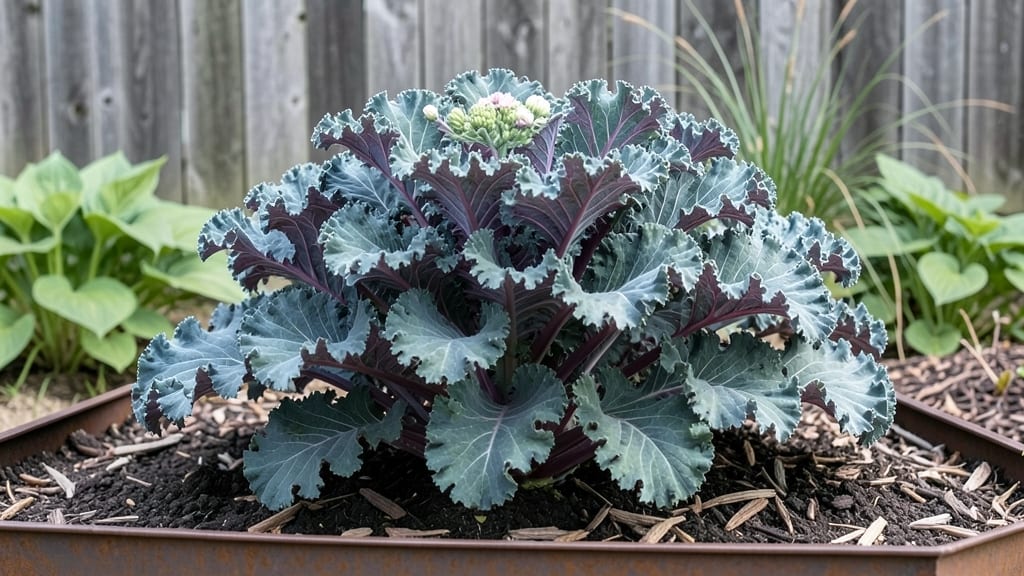
Growing flowering kale from seed gives you those vibrant, edible blooms that look like jewelry in the garden. ✨ I started with just a handful of seeds last spring, and by summer, my patio was bursting with purple, pink, and white flowers that tasted as good as they looked.
The key is treating them like the ornamental powerhouses they are—bright colors, bold textures, and a harvest you can eat.
You’ll need a sunny spot with well-draining soil, a packet of seeds (look for varieties like ‘Red Russian’ or ‘Dazzling Blue’), and patience—these plants take 60-70 days to reach full bloom. Start seeds indoors 4-6 weeks before your last frost, or sow directly after soil warms to 50°F.
Thin seedlings to 12-18 inches apart so they don’t crowd, and keep the soil consistently moist but not soggy. Too much water or heat will send them bolting early, so shade cloth helps in hot climates.
Once established, flowering kale thrives with minimal fuss—just regular watering and occasional fertilizer. The flowers attract pollinators, and the leaves stay tender until frost. Snip blooms for salads or garnishes, or let them go to seed for next year’s crop.
The best part? They’re disease-resistant and pest-proof, meaning fewer headaches and more showstopping color. Here’s how to keep them looking their best all season.
Whether you’re growing for the table, the garden, or both, flowering kale delivers year after year with the right care. The secret is balancing sunlight, water, and timing—once you nail it, you’ll wonder why you didn’t try it sooner. Let’s get those seeds planted!
📚 In This Guide
- What you need
- Instructions
- Tips and common mistakes
- Wrapping up and next steps
What you need
- ● Flowering kale seeds – Choose cold-hardy varieties like Kaleidoscope or Red Russian (5–10 seeds per plant; ~20 seeds for a small harvest).
- ● Well-draining soil mix – 50% potting soil + 50% compost or coconut coir (sterilized to prevent disease).
- ● Containers or garden bed – 6-inch pots (for seedlings) or a raised bed with full sun (6+ hours/day).
- ● Seed-starting tray or peat pots – Biodegradable options work best for transplanting.
- ● Grow lights or sunny windowsill – LED grow lights (12–16 hrs/day) if indoors.
- ● Watering can with a fine rose nozzle – Keep soil moist but not soggy.
- ● Fertilizer – Balanced organic fertilizer (e.g., 5-5-5) or fish emulsion (diluted per package).
- ● Plant labels & markers – Track varieties (especially if mixing colors!).
- ● Seedling heat mat – Speeds up germination (70–75°F ideal).
- ● Humidity dome or plastic wrap – Retains moisture for tender seedlings.
- ● Pruning shears – For harvesting blooms or trimming leggy growth.
- ● pH test kit – Aim for soil pH 6.0–7.0 (kale loves slightly acidic to neutral).
- ● Row cover or frost cloth – Protects young plants from late frosts (if planting early).
- ● Compost tea or mycorrhizal fungi – Boosts soil health for vibrant blooms.
Step-by-Step instructions for growing flowering kale from seed
Here's how to coax those stunning edible blooms from tiny seeds—no fancy greenhouse needed.
🌱 Step 1: Prepare Containers and Soil for Germination
Fill your 4-inch pots with 2 gallons of moistened seed-starting mix—this lightweight blend ensures roots get the air they need. Press it down gently so the surface is firm but not compacted. I like to make a shallow depression with my finger, about ¼ inch deep, where the seeds will nestle.
Flowering kale seeds are tiny, so I sprinkle them directly into the depression rather than trying to measure. Aim for 3-4 seeds per pot—you'll thin later. Cover them with just enough mix to hide them completely, then mist the surface lightly with water until it's evenly damp. Avoid soaking the mix, as soggy soil invites rot before germination.
💧 Step 2: Create Ideal Conditions for Sprouting
Place the pots in a warm, dark spot—think top of the fridge or under a heat mat—where temperatures stay between 65-75°F. Flowering kale seeds germinate best in warmth, and darkness prevents them from stretching toward light too soon. Keep the soil consistently moist but never soggy; I check daily by pressing my finger into the mix.
You'll see the first sprouts in 7-10 days, though some may take up to 2 weeks depending on your home's humidity. Once 50% of seeds have sprouted, move the pots to a bright, indirect light spot immediately. Direct sunlight now will scorch the delicate seedlings. Watch for the first true leaves—these are the second set of leaves after the initial cotyledons.
☀️ Step 3: Harden Off and Transplant Seedlings
When seedlings have 3-4 true leaves (about 4-6 weeks after sowing), they're ready for their first taste of outdoor conditions. Start by placing them in a shaded, sheltered spot for 1-2 hours the first day. Gradually increase their time outside over 7-10 days, moving them to sunnier locations each step.
Transplant into your garden or larger 8-inch containers once nighttime temperatures stay above 50°F. Space plants 12 inches apart to allow room for their broad leaves and eventual flower stalks. Amend the soil with 1 cup of compost per plant—this boosts nutrients for the bold colors you're growing toward. Water deeply at the base to settle the roots without disturbing them.
✂️ Step 4: Encourage Robust Growth and Flowering
Flowering kale thrives in full sun to partial shade, but the more sunlight it gets, the more vibrant its colors will be. I've found that 6+ hours of direct sun produces the deepest purples, pinks, and whites. Water 1 inch per week, letting the soil dry slightly between waterings—consistent moisture prevents bitter flavors and bolting.
Fertilize lightly every 3-4 weeks with a balanced organic fertilizer (like the 1 lb of 10-10-10 you have). Stop fertilizing 4-6 weeks before harvest to let the natural sweetness develop. Watch for the flower stalks to emerge—these are your cue that the plant is ready for its showstopper phase. Pinch off any side shoots to direct energy into the main bloom.
Tips & tricks for perfect flowering kale growth
Here's what I've learned after growing these vibrant edible blooms—these tricks ensure your flowering kale thrives from seed to stunning harvest.
Soil Preparation Secret: For Step 1, don't just moisten your seed-starting mix—aim for a consistency like a wrung-out sponge. Too much water creates anaerobic pockets that stunt root development, while too little prevents proper seed contact. I find mixing in 1 tablespoon of perlite per gallon of soil improves aeration without compromising moisture retention. This simple amendment makes all the difference in germination rates.
Temperature Matters: Maintaining that 65-75°F range in Step 2 is crucial, but here's the trick: if your home runs cooler, place pots on a seedling heat mat set to 70°F for the first 5 days. The extra warmth jumpstarts germination even in chilly basements. Once sprouts appear, remove the heat mat and transition to the warm, dark spot as directed—this prevents leggy seedlings that struggle to support themselves later.
Harden Off Gradually: When you begin the 1-2 hour outdoor acclimation in Step 3, I recommend placing seedlings on a shaded patio or under a tree canopy. The goal is to introduce them to wind and temperature fluctuations without sudden sun exposure. After 3 days of this gentle introduction, you can safely move them to sunnier locations. This gradual process prevents transplant shock that often stunts growth.
Sunlight Strategy: For Step 4's 6+ hours of direct sun requirement, I've found that morning sun (before 10am) plus afternoon shade produces the most vibrant colors. The intense midday sun can actually bleach the pigments, especially in white varieties. If you notice leaves turning pale, provide afternoon shade using a sheer curtain or mesh screen—this preserves those showstopping hues.
Pro Tips for Flowering Kale Seeds
- Here's what I've learned after growing these vibrant edible blooms—these tricks ensure your flowering kale thrives from seed to stunning harvest.
- Soil Preparation Secret: For Step 1, don't just moisten your seed-starting mix—aim for a consistency like a wrung-out sponge.
- Temperature Matters: Maintaining that 65-75°F range in Step 2 is crucial, but here's the trick: if your home runs cooler, place pots on a seedling heat mat set to 70°F for the first 5 days.
Frequently asked questions
Got questions about growing flowering kale seeds? You’re not alone—this vibrant, edible crop has a few quirks! Below, we’ve rounded up the most common queries to help you cultivate showstopping blooms with confidence.
How long does it take for flowering kale seeds to germinate?
Flowering kale seeds typically sprout in 7–14 days when kept in warm (65–75°F), moist soil. For faster results, pre-soak seeds overnight or use a heat mat. Patience is key—cool weather can slow germination, so start indoors if your climate is chilly!
When is the best time to plant flowering kale seeds?
Sow seeds 4–6 weeks before your last frost date for a spring harvest or 60–90 days before the first fall frost for winter color. Flowering kale thrives in cool weather (40–70°F) and may bolt in summer heat—opt for shade cloth if temperatures rise above 80°F.
Can flowering kale survive frost, or will it die in cold weather?
Flowering kale is cold-hardy and often sweeter after light frost. It tolerates temps down to 20°F with mulch or row covers. Hard freezes (<10°F) may damage leaves, but the roots often regrow. Harvest before heavy snowfall to enjoy fresh blooms!
What can I substitute if I can’t find flowering kale seeds?
Try these edible, ornamental alternatives:
- Ornamental kale (like ‘Winterbor’): Similar taste, but non-blooming.
- Dianthus or snapdragons: Petals add color to salads (taste mild).
- Calendula: Edible, pest-repellent, and great for tea.
- Nasturtiums: Peppery leaves and flowers—both are edible!
Why aren’t my flowering kale seeds sprouting? Troubleshooting tips.
If your seeds aren’t germinating, check these common issues:
- Old seeds: Viability drops after 2–3 years—test a few in damp paper towels.
- Poor soil contact: Press seeds lightly into soil (¼” deep) for moisture.
- Temperature swings: Use a seedling heat mat if your home is drafty.
- Overwatering: Damp, soggy soil suffocates seeds—keep soil moist, not soaked.
Wrapping up and next steps
Growing flowering kale seeds is a rewarding journey that transforms your garden into a vibrant, edible masterpiece! 🌸 With the right soil, sunlight, and care, you’ll enjoy stunning blooms and a harvest packed with flavor and nutrition.
Whether you’re a seasoned gardener or just starting, these bold edible flowers are a fun and delicious addition to any space.
Ready to take the next step? Start by planting your seeds this season—your future harvest (and Instagram-worthy garden!) will thank you. Happy growing! 🌱