
Tools
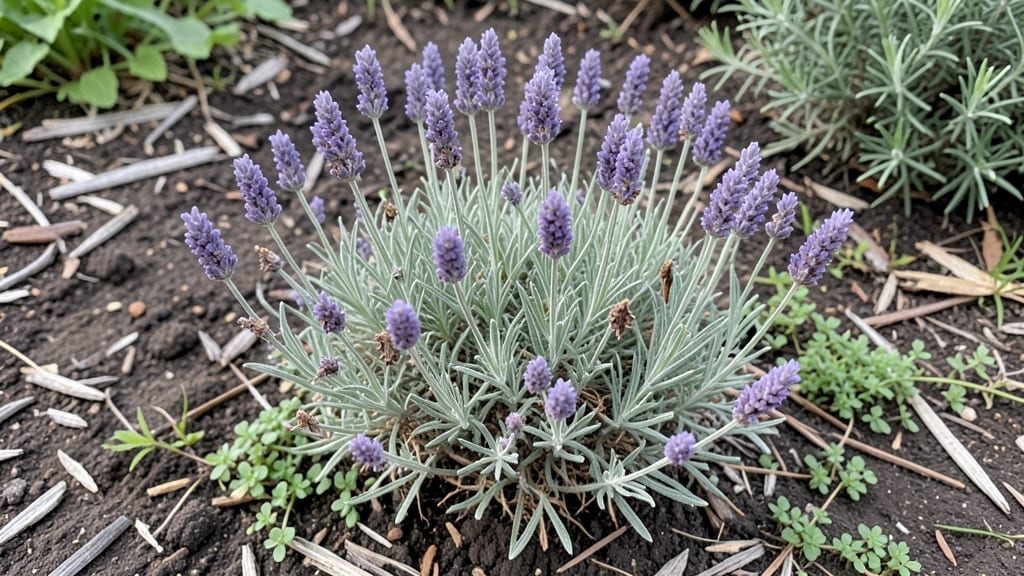
A flowering herb garden transforms your yard into a fragrant, edible masterpiece where every bloom is both beautiful and useful. 🌿 I designed mine after realizing how many herbs—like borage, chives, and basil—produce stunning flowers and flavorful leaves, cutting my grocery list in half while adding color to my patio.
The key is pairing herbs that thrive together, like mint with oregano or thyme with rosemary, so they support each other’s growth while filling your kitchen with scent.
Start with a sunny spot (at least 6 hours of light daily) and containers or beds with well-draining soil—herbs hate soggy roots. My 10-gallon pots work perfectly for small spaces, while larger beds let me mix heights and textures for drama.
For example, tall lavender (3 feet) anchors the back, while low-growing thyme (6 inches) spills over edges, creating layers that bloom from spring to fall. The secret? Grouping plants by water needs—drought-tolerant rosemary near the edge, thirsty basil closer to the hose.
By mid-summer, you’ll harvest fragrant flowers for tea, garnishes, or pollinator-friendly bouquets while snipping leaves for cooking. My borage blooms turn into edible blue "eggs" for salads, and chive flowers add a mild onion kick to dishes.
The garden stays productive for months longer than traditional herb beds because the flowers encourage regrowth. Plus, bees and butterflies will visit daily—your yard becomes a little ecosystem that feeds and feeds you.
This works for balconies, windowsills, or sprawling backyards—just scale the containers. In cooler climates, overwinter tender herbs like basil in pots and bring them indoors. The best part? No trade-offs: your garden is as pretty as it is practical. Let’s get planting!
📚 In This Guide
- What you need
- Instructions
- Tips and common mistakes
- Wrapping up and next steps
What you need
- ● Flowering herbs (seeds or seedlings): Basil (e.g., Genovese, Thai, or Purple) – 3-5 plants
- ● Borage – 2-3 plants (self-seeding, so a few go a long way!)
- ● Chive – 1-2 plants (perennial, spreads easily)
- ● Calendula – 3-4 plants (edible petals + pest-repellent)
- ● Nasturtium – 4-6 plants (peppery leaves + vibrant blooms)
- ● Stevia – 1-2 plants (sweet leaves for teas)
- ● Growing containers or garden bed: Pots: 5–10-inch diameter (1 per herb, or 2–3 herbs per 12-inch pot)
- ● Raised beds: At least 6 inches deep, with drainage holes
- ● In-ground: Full sun (6+ hours/day) + well-draining soil
- ● High-quality potting mix: 1 bag (1–2 cubic feet) for containers; 2–3 bags for raised beds
- ○ Optional boost: Add compost (1 part compost to 3 parts soil)
- ● Trowel or small hand shovel
- ○ Garden gloves (optional but highly recommended!)
- ● Watering can or hose with a gentle spray nozzle
- ● Pruning shears (for harvesting and shaping)
- ● Mulch (straw or shredded leaves, 1–2 inches) to retain moisture
- ○ Optional (but fun!): Decorative stones or pebbles for edging
- ● Trellis or small stakes (for climbing herbs like borage)
- ● Label markers (to track varieties)
- ● Sunny spot (most flowering herbs need 6+ hours of sunlight daily)
- ● Access to water (herbs prefer consistent moisture, not soggy soil)
- ● Patience! Some herbs (like stevia) take 60–90 days to bloom and flavor.
- ● Pro tip: Test your soil’s pH (aim for 6.0–7.0)—most herbs thrive in slightly acidic to neutral soil. 🌡️
How to design a thriving flowering herb garden
Here's the straightforward approach I've used to blend beauty and utility in compact spaces.
🌱 Step 1: Select Your Flowering Herb Varieties
Start with four complementary varieties that offer both fragrance and culinary value. I recommend borage for its sky-blue flowers and cucumber-flavored leaves, lavender for its calming aroma and culinary versatility, chive blossoms for their mild onion-garlic notes, and basil flowers for their sweet, peppery accents in salads.
Each plant serves dual purposes: borage attracts pollinators while its leaves work in summer drinks, lavender repels pests while drying beautifully, chives add edible flowers to garnishes, and basil flowers extend your harvest season. Space them 12-18 inches apart to allow airflow and prevent fungal issues.
🪴 Step 2: Prepare Containers or Garden Beds
Use 12-inch diameter containers for each herb if growing in pots, or create a 4-foot square garden bed for in-ground planting. Fill containers with 3 gallons of well-draining potting mix amended with 1 cup perlite per pot to prevent compaction. For in-ground beds, loosen soil to 12 inches deep and mix in 5 gallons of compost to enrich the planting area.
Flowering herbs need excellent drainage—amend heavy soils with 2 inches of coarse sand if your garden soil retains moisture. Test drainage by filling a container with water; it should drain completely within 15 minutes. Planting in raised beds or containers eliminates drainage concerns entirely.
☀️ Step 3: Plant and Establish Initial Care
Set transplants at the same depth they grew in their nursery pots, pressing soil gently around the stems to eliminate air pockets. Water immediately after planting to settle the soil and encourage root contact. For seeds, sow at ¼ inch depth and keep soil consistently moist until germination, which typically occurs in 7-14 days depending on your climate.
Place your garden in full sun (minimum 6 hours daily) for optimal flowering and flavor development. I position mine on a south-facing patio where they receive morning sun and afternoon shade during summer's peak heat. Mulch with 1 inch of straw to retain moisture and suppress weeds—this is especially important in containers where water evaporates quickly.
💧 Step 4: Maintain Through the Growing Season
Water when the top 2 inches of soil feel dry to the touch, typically every 2-3 days in summer or every 5-7 days in cooler months. Flowering herbs are drought-tolerant once established, but consistent moisture encourages robust blooms. Avoid wetting foliage when watering to prevent fungal diseases like powdery mildew, which thrives in damp conditions.
Fertilize lightly every 4-6 weeks with ½ cup of balanced 10-10-10 fertilizer per plant. Flowering herbs don't need heavy feeding—they'll produce more flowers when given just enough nutrients. Deadhead spent blooms regularly to encourage continuous flowering and prevent self-seeding where you don't want it.
✂️ Step 5: Harvest Flowers and Leaves Together
Harvest leaves and flowers simultaneously for best results. Pinch back one-third of the plant's growth when flowers begin to open to maintain bushy growth. Harvest basil flowers just before they fully open for maximum flavor, while borage and chive blossoms can be picked at any stage. Use clean, sharp scissors to avoid damaging stems.
Dry lavender and borage flowers between paper towels for 24 hours before storing in airtight containers. Freeze basil flowers in ice cube trays with water for later use in dressings. This dual harvest method extends your season while keeping plants productive—you'll have edible blooms from early summer through fall's first frost.
Tips & tricks for perfect flowering herb gardens
Here's what I've learned after years of growing these fragrant edibles—small details make all the difference in both beauty and harvest.
Plant Spacing Matters: That 12-18 inch spacing in Step 1 isn't just about aesthetics—it's about airflow. Crowded plants invite fungal diseases like powdery mildew, which can ruin your harvest. I've seen lavender plants go from thriving to struggling in just two weeks when planted too close. Trust me, give them room to breathe!
Drainage Test is Non-Negotiable: The 15-minute drainage test in Step 2 might seem excessive, but it's worth it. I once lost three containers of borage because I skipped this step, and the roots suffocated in compacted soil. For containers, drill drainage holes if they don't exist—this is especially critical for lavender, which hates soggy roots.
Germination Timing Tip: Those 7-14 days for seed germination in Step 3 can feel like an eternity, but don't rush it. I've learned to be patient—chive seeds sometimes take the full two weeks, while basil flowers might pop up in just 5 days. Keep the soil consistently moist (not soggy) during this period, and avoid moving the containers once planted.
Harvesting Strategy: The 24-hour drying time for lavender and borage in Step 5 is perfect for preserving their vibrant colors and aromatic oils. I've found that using a small fan on low speed during this time speeds up the process without damaging the delicate petals. For basil flowers, harvest them in the morning when their essential oils are most concentrated.
Pro Tips for Flowering Herb Garden
- Here's what I've learned after years of growing these fragrant edibles—small details make all the difference in both beauty and harvest.
- Plant Spacing Matters: That 12-18 inch spacing in Step 1 isn't just about aesthetics—it's about airflow.
- Drainage Test is Non-Negotiable: The 15-minute drainage test in Step 2 might seem excessive, but it's worth it.
Frequently asked questions
Got questions about creating your own fragrant, flavorful flowering herb garden?
You’re not alone! Here are answers to the most common queries to help you grow with confidence.
What are the easiest flowering herbs to grow for beginners?
Start with basil, chives, or borage—they’re hardy, fast-growing, and thrive in partial sun. Nasturtiums (edible flowers!) and calendula are also beginner-friendly, offering both beauty and utility.
How long does it take for flowering herbs to bloom and produce edible parts?
Most flowering herbs bloom within 6–12 weeks from seed (faster with transplants). Basil and chives may flower early—pin back blooms to encourage leaf growth. Calendula and borage take slightly longer but reward you with vibrant blooms and edible petals.
Can I grow flowering herbs in containers, or do they need a full garden bed?
Many herbs—like thyme, oregano, and nasturtiums—thrive in pots (5+ inches deep). Use well-draining soil and place containers in 4–6 hours of sunlight daily. Just avoid overcrowding to prevent disease.
What pests or diseases should I watch out for in a flowering herb garden?
Common culprits include aphids (suck sap), slugs (munch leaves), and powdery mildew (white fungal spots). Prevent pests with neem oil or companion planting (e.g., marigolds repel pests). Prune regularly for airflow and remove damaged foliage promptly.
Are all parts of flowering herbs edible, or just the leaves?
Not always! While leaves are the star, many herbs offer edible flowers (e.g., borage, nasturtiums) and even seeds (like dill or calendula). Always research before eating unfamiliar parts—some, like foxglove, are toxic!
Wrapping up and next steps
Creating a flowering herb garden is a rewarding way to savor both beauty and flavor in your outdoor space! 🌸 From fragrant lavender to edible nasturtiums, these plants bring color, scent, and culinary magic to your meals.
Whether you're a seasoned gardener or just starting, this guide gives you everything you need to cultivate a thriving, dual-purpose garden.
Ready to dive in? Start small—pick 2-3 herbs to experiment with—and let your green thumb grow! Soon, you’ll be harvesting blooms for garnishes, teas, and bouquets while enjoying the therapeutic joy of gardening. Happy planting! 🌱✨