
Shrubs
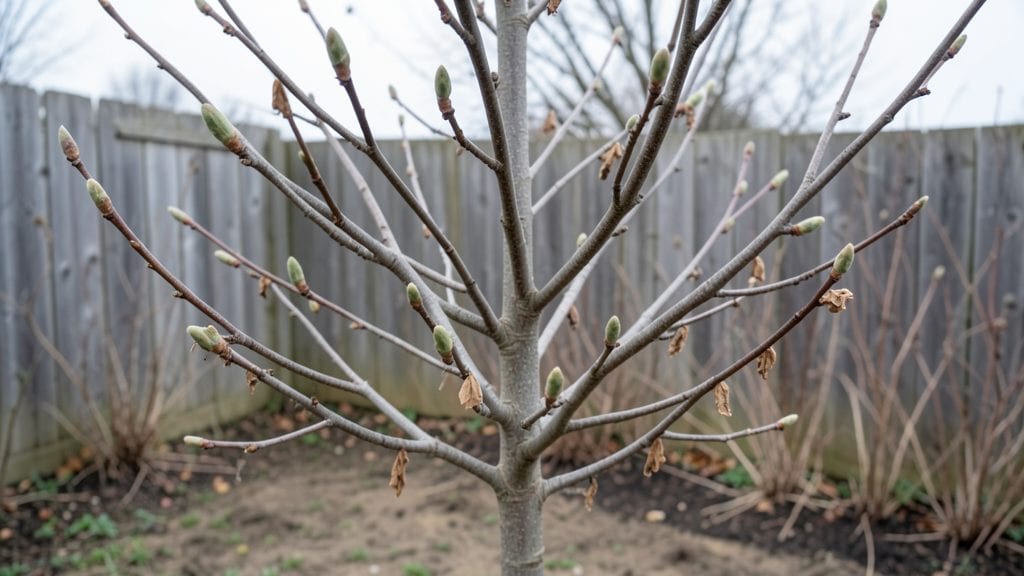
Flowering dogwoods in winter reveal their quiet strength—those dark, glossy branches stand like sentinels against the snow, proving they're far from dormant. 🌿 I used to think winter stripped them bare, but now I appreciate how their bare limbs create a skeletal beauty that’s just as striking as their spring blooms.
The key is understanding their winter needs: they don’t need the same fuss as spring-flowering shrubs, but a little protection goes a long way in harsh climates.
First, forget the myth that dogwoods need heavy winter wrapping—unless you’re in a zone with brutal winds or heavy snow, they’ll handle cold just fine.
What matters most is watering deeply before the ground freezes to keep roots hydrated, and avoiding pruning until late winter when the tree’s energy is still low.
The bark itself becomes a winter feature: its smooth, cinnamon-brown texture adds warmth to a snowy landscape, and those fat, swollen buds hint at the spectacular blooms to come.
You’ll notice something special in late winter: the way light filters through those bare branches creates a dappled effect that’s pure magic. That’s when the real winter interest kicks in—no need for extra decorations.
For extra protection in icy climates, a light layer of mulch around the base keeps roots insulated, and a burlap wrap (if needed) prevents sunscald on young trees. By spring, your dogwood will reward you with those iconic blooms, proof that winter was just a quiet preparation.
Even in the coldest months, dogwoods add structure and interest to the garden—no other tree delivers that mix of winter resilience and spring drama. Whether you’re admiring their bare branches or planning next year’s pruning, they’re a year-round star. Let’s make sure yours thrives through every season.
Winter Survival Secrets Revealed
Flowering dogwoods (Cornus florida) are celebrated for their stunning spring blooms and vibrant fall foliage, but their winter behavior often sparks curiosity. Why do some dogwoods retain their leaves, while others shed them early—or worse, lose branches entirely?
The answer lies in a mix of environmental stress, genetic quirks, and seasonal survival strategies. Let’s break down the science behind these wintertime quirks.
🌡️ Cold Stress and Freeze Damage
Dogwoods are semi-deciduous, meaning they can hold onto leaves or buds through mild winters—but extreme cold triggers a survival response. When temperatures drop below 15°F (-9°C) for prolonged periods, the tree’s cells can’t protect themselves effectively. Here’s how it happens:
- Cell dehydration: Ice crystals form in the cell walls, rupturing membranes and causing cytoplasmic damage. This is why dogwoods in harsh climates (Zones 5 and below) often shed leaves early—it’s a last-ditch effort to conserve energy.
- Bud dormancy failure: If buds don’t harden off properly before winter (due to warm fall weather followed by a sudden freeze), they’ll abscise (drop off) rather than risk dying. This is why some dogwoods look "bald" mid-winter.
- Branch dieback: Young, thin branches are more vulnerable to freeze damage because they lack the protective bark of mature trees. If you notice blackened or shriveled twigs, it’s a sign of cambium layer damage—the tree’s growth engine.
Actionable fix: Plant dogwoods in sheltered microclimates (e.g., near south-facing walls) and mulch heavily (3–4 inches of organic mulch) to insulate roots. For high-risk zones, choose cold-hardy cultivars like ‘Cherokee Brave’ or ‘Arnold Promise’.
❄️ Winter Desiccation and Wind Burn
Even if your dogwood survives freezing temps, dry winter winds can turn its leaves into crispy paper. This happens because:
- Transpiration without moisture: Dogwood leaves lose water through stomata (pores) even in winter. Without snow cover or humidity, the tree can’t replenish it, leading to leaf scorch.
- Salt and road spray damage: In urban areas, de-icing salts (NaCl) accumulate in the soil, dehydrating roots and stressing the tree. Symptoms include yellowing leaves or premature leaf drop.
- Sunburn on exposed bark: Bright winter sun can scorch bark, especially on thin branches. This weakens the tree’s defenses against pathogens.
Actionable fix:
- ✅ Mulch with cedar chips or pine straw to retain moisture.
- ✅ Water deeply in late fall (before the ground freezes) to hydrate roots.
- ✅ Avoid salting near the tree’s dripline; use calcium magnesium acetate (CMA) instead.
- ✅ Wrap young trees in tree burlap or reflective mulch to block harsh winds.
🌱 Disease and Pest Weakness Exposed
Winter isn’t just about cold—it’s when hidden weaknesses (like fungal infections or pest infestations) become visible. Dogwoods are particularly prone to:
- Dogwood anthracnose (Discula destructiva):
- This fungus thrives in wet, mild winters (35–50°F / 2–10°C). It causes leaf spots that turn brown and premature defoliation.
- Infected trees may lose all leaves by late winter, leaving bare branches.
- Boring insects (e.g., dogwood borers):
- Stressed trees attract wood-boring beetles, which lay eggs in cracks. Larvae tunnel through the cambium layer, disrupting nutrient flow.
- Signs: Sawdust-like frass at branch bases or oozing sap.
Actionable fix:
- 💡 Prune out infected branches in dry weather (fall or early spring) and sterilize tools with 70% alcohol.
- 💡 Apply fungicide (e.g., copper fungicide) in late fall if your area is prone to anthracnose.
- 💡 Inspect for borers in early spring; treat with beneficial nematodes or borer-specific insecticides.
🌿 Genetics: Some Dogwoods Are Just Late Bloomers
Not all dogwoods react the same to winter—and that’s by design! Some cultivars are naturally more persistent with leaves or buds, thanks to:
- Delayed dormancy: Certain dogwoods (like ‘Rubra’ or ‘Cloud 9’) hold onto marcescent leaves (dry, brown leaves that persist into spring). This is an evolutionary trait to protect buds from late frosts.
- Hybrid vigor: Crossbreeds (e.g., Cornus × ‘Stellar Pink’) often have thicker bark and better cold tolerance than native species.
- Rootstock differences: Grafted dogwoods may show inconsistent winter behavior because the scion (top) and rootstock (bottom) have different hardiness levels.
Actionable tip: If you love a dogwood’s winter look, choose a cultivar bred for your zone. For example:
- 🌟 ‘Cherokee Chief’ (Zones 5–9) – Holds leaves into winter.
- 🌟 ‘White Winter’ (Zones 6–9) – Retains buds for early spring blooms.
Revive Your Dogwood’s Winter Health
Winter can take a toll on your flowering dogwood, but with the right care, you can restore its vitality and ensure it thrives once spring arrives. Below are practical, step-by-step solutions tailored to common winter woes—plus prevention tips to keep your tree looking lush year-round.
Cause: Dogwoods naturally shed leaves in winter, but if they linger brown and crispy, it’s often due to fungal infections (like anthracnose), poor air circulation, or winter burn.
How to Fix It:
- 🔥 Prune Strategically
- Remove only dead or heavily browned branches in late winter (Feb–March) to avoid spreading disease.
- Cut 2–3 inches below the browning to encourage fresh growth.
- Pro Tip: Sterilize pruners with rubbing alcohol to prevent fungal spread. ✨
- 🌡️ Protect from Cold Snaps
- If temperatures dip below 10°F (-12°C), wrap the tree in burlap or frost cloth (loosely, to avoid moisture buildup).
- Avoid heavy mulch near the trunk—keep it 3–4 inches deep and 6 inches from the base to prevent rot.
- 💡 Boost Soil Health
- Test soil pH (ideal: 5.0–6.5 for dogwoods). Amend with sulfur or peat moss if too alkaline.
- Apply a balanced fertilizer (10-10-10) in early spring to replenish nutrients lost over winter.
Prevent Future Browning:
- Plant in partial shade to reduce stress.
- Water deeply before the first hard frost to hydrate roots.
Cause: Sudden temperature swings or dry winter winds cause desiccation, turning leaves brown or crispy before they fall.
How to Fix It:
- 👨🍳 Hydrate Deeply (But Smartly)
- Water thoroughly in fall (before freezing) to ensure roots are hydrated.
- Avoid winter watering—wet bark freezes and cracks, inviting disease. ❄️
- 🌿 Mulch Like a Pro
- Spread 3–4 inches of organic mulch (pine straw, shredded bark) around the base, but keep it away from the trunk.
- Refresh mulch in early spring to lock in moisture.
- 🔪 Trim Damaged Tips
- Cut back only the most affected branches in late winter. Avoid heavy pruning—dogwoods bloom on old wood!
Prevent Winter Burn:
- Choose cold-hardy cultivars (e.g., ‘Cherokee Brave’ or ‘Purple Pagoda’).
- Group dogwoods with evergreens to create a windbreak.
Cause: Fungal spores (like powdery mildew) and pests (e.g., dogwood borers) lie dormant but strike when conditions warm up.
How to Fix It:
- 🍳 Early-Spring Cleanup
- Rake up all fallen leaves and debris in March to remove overwintering fungi.
- Dispose of prunings in the trash (not compost)—diseases survive in organic matter.
- 💊 Apply Fungicide Preventatively
- Spray with a copper-based fungicide (e.g., Bordeaux mixture) in early spring before buds swell.
- For borers, use systemic insecticide (like imidacloprid) in late winter.
- 🌡️ Monitor for Signs
- Check for oozing sap (borer activity) or white powder (mildew) in spring. Act fast!
Prevent Recurrence:
- Space trees 6–10 feet apart for airflow.
- Avoid overhead watering to keep foliage dry.
Cause: Poor drainage, compacted soil, or transplant shock weaken dogwoods, making them vulnerable in winter.
How to Fix It:
- 🔪 Root Zone Aeration
- Use a soil aerator or dig shallow trenches around the root zone to improve drainage.
- Mix in compost or perlite to loosen heavy clay soil.
- 💧 Deep Watering Schedule
- Water every 10–14 days in winter if rain is scarce (use a soaker hose).
- In spring, water deeply once a week until established.
- 🌱 Support with Mulch & Mycorrhizae
- Add mycorrhizal fungi to the soil at planting to boost root health.
- Top-dress with worm castings in early spring for a nutrient boost.
Prevent Stress:
- Plant in well-draining, acidic soil (test kits are cheap and easy!).
- Avoid disturbing roots—dogwoods hate being moved after maturity.
Final Thought: A little winter TLC goes a long way! By addressing browning, burn, pests, and stress proactively, your flowering dogwood will reward you with stunning spring blooms and year-round structure. 🌸✨
Frequently asked questions
Why do some flowering dogwoods keep their leaves in winter while others lose them?
Dogwoods are semi-deciduous, meaning they can hold onto leaves through mild winters. Those that retain leaves often have thicker bark or are cold-hardy cultivars like ‘Cherokee Chief’. Others drop leaves early due to cold stress or poor acclimation—especially in harsh climates below Zone 6. The leaves may also turn brown and crispy from winter burn or fungal infections like anthracnose.
Can I prune my dogwood in winter, or should I wait until spring?
Late winter (after February) is ideal for pruning dogwoods because the tree is still dormant but about to wake up. Avoid pruning in extreme cold or during active growth periods. Remove only dead, diseased, or crossing branches—never cut more than 25% of the canopy at once, as this stresses the tree and reduces next year’s blooms.
How do I protect my dogwood from winter damage in cold climates?
Start by applying a 3–4 inch layer of organic mulch around the base (but keep it 6 inches away from the trunk to prevent rot). For young trees in Zone 5 or colder, wrap the trunk loosely with burlap or frost cloth to shield against sunscald. Water deeply before the ground freezes to hydrate roots, and avoid heavy snow buildup on branches by gently shaking it off.
Are flowering dogwoods evergreen, or do they always lose their leaves?
Flowering dogwoods are not evergreen, but some cultivars retain dry, marcescent leaves into winter or early spring. These leaves often turn brown but stay attached, providing winter interest. True evergreens like holly or pine keep green foliage year-round, while dogwoods rely on their striking bark and bud patterns for winter appeal.
What do swollen buds on my dogwood in winter mean?
Swollen buds are a good sign! They indicate the tree is preparing for spring growth. In late winter, these buds may even burst early if temperatures rise above 40°F. If buds are blackened or mushy, it’s a sign of freeze damage or fungal infection. Protect vulnerable trees with burlap wraps during sudden cold snaps to preserve next year’s blooms.