Flowers
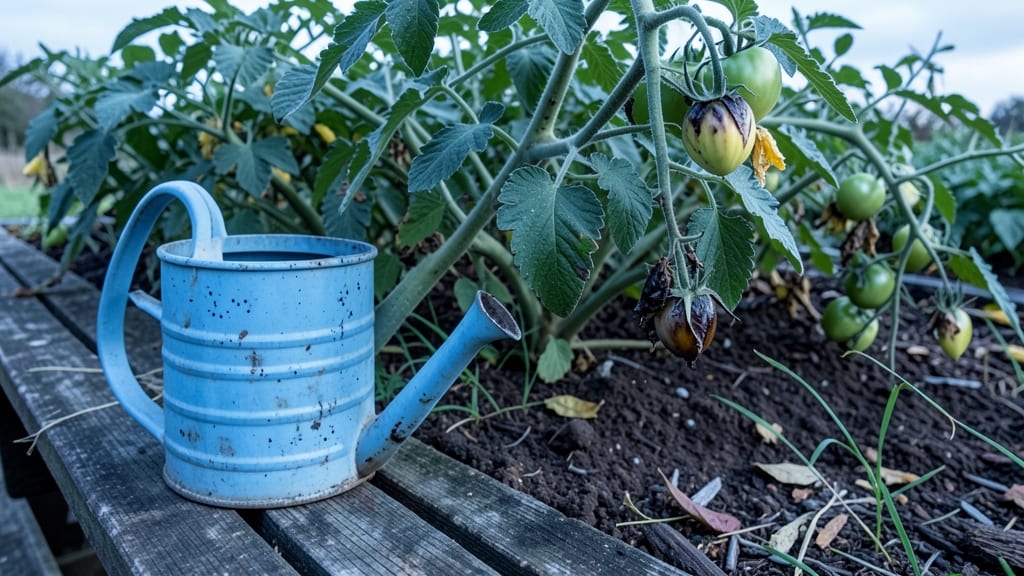
My tomatoes were producing fruit one minute and dropping blossoms the next—until I learned the truth about flower rot. 🌱 This isn’t just about calcium; fungal infections like Fusarium or Blossom End Rot can silently sabotage your harvest before you even notice.
The wilting, rotting blossoms, and stunted fruit? Those are the warning signs your plants are fighting a battle you might not see coming.
The good news? You can turn this around without harsh chemicals. Proper watering, balanced soil pH, and better plant spacing make all the difference. I’ve saved multiple tomato plants using these simple fixes—no fancy tools or expensive sprays required.
The key is catching it early and giving your tomatoes the right conditions to bounce back strong.
By the end of this, you’ll know exactly how to prevent flower rot from ruining another season. We’re talking healthier plants, more fruit, and a garden that actually delivers on its promise. Let’s get your tomatoes back on track—starting with the root of the problem.
Whether you’re dealing with a single plant or a whole bed of struggling tomatoes, these steps work for everyone. The first move? Understanding why it’s happening in the first place. That’s where we begin.
Root Causes Of Blossom Decay
Flower rot—commonly known as blossom end rot—can turn your lush tomatoes into a gardener’s nightmare. But why does this happen? The issue stems from a mix of environmental and physiological factors, often tied to the plant’s calcium uptake. Let’s break down the real culprits behind this frustrating problem.
Blossom end rot is primarily caused by a calcium shortage in the fruit’s developing tissue. While calcium is abundant in the soil, the plant struggles to absorb it efficiently under certain conditions. Here’s why:
- Rapid Fruit Growth: When tomatoes grow too quickly (due to excess water or fertilizer), they outpace the plant’s ability to transport calcium to the blossom end. This is where the rot starts—often as a dark, sunken spot.
- Poor Root Activity: If roots are stressed (from drought, compacted soil, or root damage), calcium uptake drops sharply. Even if calcium is present, the plant can’t deliver it where it’s needed.
- pH Imbalance: Soil pH affects calcium availability. Acidic soil (pH < 6.0) locks calcium out of the plant’s reach, while alkaline soil (pH > 7.5) can cause toxicity issues, further disrupting uptake.
Pro Tip: 💡 Test your soil’s pH and calcium levels annually. Aim for a 6.0–6.8 pH—this sweet spot ensures optimal calcium absorption.
Water plays a critical role in calcium movement within the plant. Inconsistent moisture levels create a perfect storm for blossom end rot:
- Fluctuating Soil Moisture: Alternating between drought stress and sudden heavy watering disrupts the plant’s vascular system. Calcium can’t travel smoothly to the fruit, leading to rot.
- Overhead Watering: Wetting the leaves (especially in hot weather) can cause foliar diseases that stress the plant, indirectly contributing to calcium deficiency.
- Drought Stress: Even mild water shortages restrict root function, reducing calcium uptake. The blossom end—being the youngest part of the fruit—suffers first.
Actionable Fix: 🌡️ Use drip irrigation or soaker hoses to deliver water directly to the roots. Keep soil consistently moist (not soggy) and avoid wetting foliage.
Tomatoes are heat-loving plants, but extreme temperatures—both hot and cold—can trigger blossom end rot:
- Heat Stress (Above 90°F/32°C): High temperatures increase transpiration (water loss through leaves), but the roots can’t keep up with calcium transport. The fruit’s growing tip (the blossom end) becomes calcium-starved.
- Cold Stress (Below 50°F/10°C): Chilly nights slow root activity, reducing calcium absorption. Young fruit is especially vulnerable during spring or fall planting.
- Rapid Temperature Swings: Day-to-night fluctuations (e.g., 85°F/29°C days and 55°F/13°C nights) confuse the plant’s metabolic processes, exacerbating calcium deficiencies.
Grower’s Hack: ✨ Use mulch (straw or grass clippings) to regulate soil temperature. In hot climates, provide shade cloth during peak afternoon sun.
While nutrients fuel plant growth, imbalanced fertilization can backfire spectacularly:
- Excess Nitrogen (N): Heavy nitrogen fertilizer promotes leafy growth at the expense of fruit development. The plant diverts energy to foliage, leaving the blossom end calcium-deprived.
- Low Potassium (K) Or Phosphorus (P): These nutrients work alongside calcium. A deficiency in either can block calcium uptake, even if calcium is present.
- Salinity Buildup: Over-fertilizing (especially with synthetic salts) can burn roots, reducing their ability to absorb calcium.
Soil Savvy: 📊 Use a balanced fertilizer (e.g., 5-10-10 or 10-10-10) and side-dress with compost mid-season. Avoid high-nitrogen amendments like manure early in the growing cycle.
Understanding these triggers is the first step to prevention. In the next section, we’ll explore practical solutions to keep your tomatoes healthy and rot-free!
How to Fix Blossom End Rot
Blossom end rot may sound intimidating, but with the right fixes, you can save your tomato plants—and even prevent future outbreaks. The key is identifying the root cause (literally!) and addressing it with targeted solutions.
Below, we break down practical fixes for each common trigger, plus prevention tips to keep your tomatoes thriving.
If your tomatoes are suffering from calcium uptake issues, the solution is simple: feed them calcium. Since calcium is naturally mobile in plants, new growth will benefit immediately.
🍳 Step-by-Step Fix:
- Apply Calcium-Rich Amendments - Sprinkle crushed eggshells (baked and ground) around the base of plants.
Eggshells are a slow-release calcium source. - Mix crushed oyster shell or bone meal into the soil at planting time (follow package rates). - Use calcium nitrate (a fast-acting liquid fertilizer) as a foliar spray or soil drench (follow label instructions).
- Improve Soil Drainage
- Blossom end rot thrives in waterlogged soil, which prevents calcium absorption.
- Amend heavy clay soil with compost, sand, or perlite to improve aeration.
- Avoid compacting soil around roots—gentle mulching (with straw or grass clippings) helps.
- Water Wisely
- Deep watering (1–2 inches per week) is better than frequent shallow watering.
- Water early in the day to reduce evaporation and fungal risks.
- Use drip irrigation or soaker hoses to deliver water directly to roots, avoiding leaf wetness.
Fluctuating soil moisture stresses plants, making them more susceptible to rot. Consistency is key—avoid letting soil dry out completely between waterings.
💡 Pro Tips:
- Mulch heavily (3–4 inches) to retain moisture and regulate soil temperature.
- Check soil moisture by sticking your finger 1–2 inches deep—water when dry.
- Avoid overhead watering (especially in the evening), as wet leaves can encourage disease.
If your soil is too acidic or alkaline, calcium becomes unavailable to plants. A simple soil pH test (available at garden centers) can reveal the issue.
🔧 Adjusting pH:
- For acidic soil (pH < 6.0):
- Add lime (calcium carbonate) or wood ash to raise pH gradually.
- Aim for a pH of 6.0–6.8 for optimal calcium uptake.
- For alkaline soil (pH > 7.0):
- Mix in sulfur or peat moss to lower pH over time.
- Avoid over-fertilizing with nitrogen, which can worsen alkalinity.
Extreme heat, cold snaps, or sudden weather changes can trigger blossom end rot. Shield your plants from stress factors.
🌿 Prevention Strategies:
- Provide shade cloth during heatwaves (especially in hot climates).
- Use row covers in early spring to protect against cold snaps.
- Avoid heavy pruning during flowering, as it can stress plants.
- Transplant seedlings carefully—root disturbance can delay calcium absorption.
Too much nitrogen (common in fast-acting fertilizers) can lead to calcium deficiency because plants prioritize leafy growth over fruit development.
🍽️ Fertilizer Adjustments:
- Switch to a balanced fertilizer (e.g., 5-5-5 or 10-10-10) or one higher in phosphorus and potassium (e.g., 5-10-10).
- Avoid synthetic fertilizers if possible—compost tea or fish emulsion provides nutrients without overloading nitrogen.
- Side-dress plants with compost mid-season to replenish calcium and micronutrients.
- Don’t remove affected fruit—let it rot naturally to avoid spreading disease.
- Don’t overwater—consistency matters more than frequency.
- Don’t ignore early signs—catching rot early (small dark spots) is easier to fix than advanced rot.
To keep blossom end rot at bay, follow this season-long plan: ✅ At planting: Mix compost + crushed eggshells into soil. ✅ Every 2 weeks: Check soil moisture and pH. ✅ During flowering: Apply a calcium spray (like calcium chloride solution). ✅ After harvest: Amend soil with well-rotted manure for next season.
By tackling the root cause (literally!) of blossom end rot with these targeted fixes, your tomato plants will bounce back stronger—and you’ll enjoy plump, healthy fruits all season long. 🍅✨
Frequently asked questions
Why do my tomato blossoms drop off before turning into fruit?
Blossom drop is often a sign of environmental stress, including temperature swings (below 55°F/13°C or above 90°F/32°C), inconsistent watering, or poor pollination. Tomatoes need stable conditions—especially during flowering. Check for pests like aphids that can disrupt pollination, and ensure consistent moisture without soggy soil.
Can I save tomatoes already showing blossom end rot?
Unfortunately, once rot appears, the fruit is unsalvageable—but you can prevent further spread. Remove affected fruit immediately to reduce fungal load, and focus on fixing calcium uptake (e.g., crushed eggshells or calcium nitrate). New growth will benefit from these adjustments, so act fast to save future harvests.
Is blossom end rot the same as flower rot?
Yes! The terms are often used interchangeably, though blossom end rot specifically refers to the calcium deficiency causing dark spots on the fruit’s blossom end. Flower rot can also describe fungal infections (like Fusarium) that cause wilting or rot in blossoms before fruit forms. Both require different fixes—calcium for BER, fungicides for fungal rot.
How often should I fertilize tomatoes to avoid rot?
Use a balanced fertilizer (e.g., 10-10-10) every 3-4 weeks after planting, but reduce nitrogen later in the season to prioritize fruit over foliage. Over-fertilizing with nitrogen (common in fast-release fertilizers) starves roots of calcium. Side-dress with compost mid-season instead for steady nutrients.
Will mulching really help prevent blossom end rot?
Mulch (like straw or grass clippings) keeps soil moist and cool, reducing temperature swings that stress roots. It also blocks weeds that compete for calcium. Apply 3-4 inches of mulch around plants, but keep it 2 inches away from stems to prevent rot there too.