
Plants
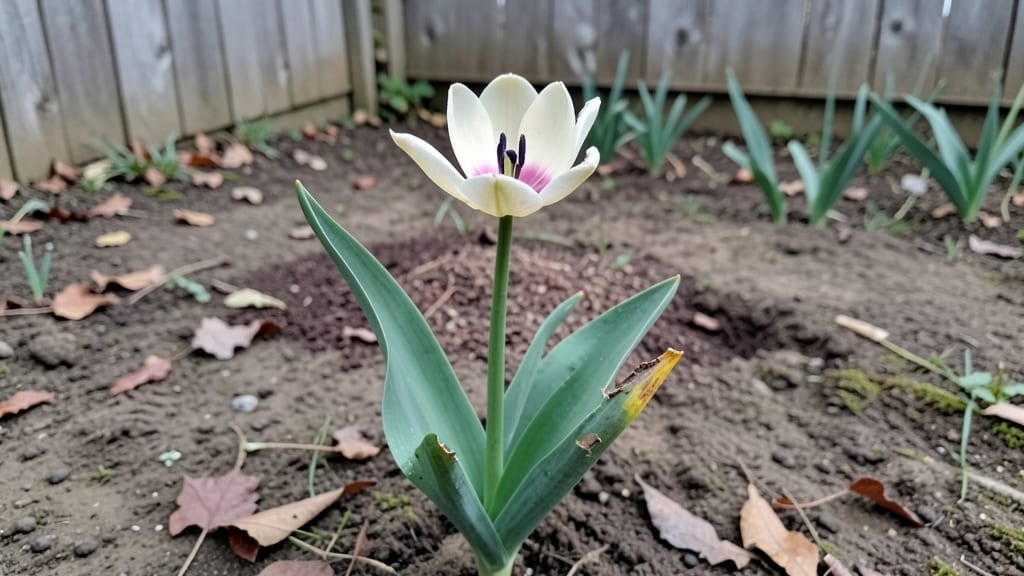
Identifying flowers, bulbs, and leaves can turn a guesswork garden into a thriving, intentional space. 🌱 I’ve spent years watching gardeners overwater plants because they mistook hosta leaves for lily foliage—both look similar until you know the key differences.
The right ID means the right care, whether it’s shade for hostas or full sun for lilies, and it keeps toxic look-alikes like foxglove out of your landscape.
Start with leaf shape, vein patterns, and growth habit—hosta leaves are broad and heart-shaped, while lily foliage is strappy and upright. Bulbs add another layer: daffodil leaves appear early and are sword-like, while tulip leaves emerge later and are more rounded.
A simple field guide or plant database app (like iNaturalist) lets you snap a photo and get instant matches, cutting down on trial-and-error gardening.
Why does this matter? Misidentifying plants leads to wrong care—overwatering, under-fertilizing, or even planting them in the wrong spot. Plus, some look-alikes are toxic if ingested (like oleander vs. milkweed), while others attract pests if mismanaged.
With just a few visual cues, you’ll confidently tell your daylilies from your cannas, and your garden will thank you with healthier, happier plants.
This guide covers the most common garden plants, bulbs, and leaves—plus tools to double-check your IDs. Whether you’re fixing a mystery plant in your backyard or planning next season’s garden, accurate identification is your first step to success. Let’s get those plants named right!
Common Mistakes in Plant ID
When it comes to identifying flowers, bulbs, plants, and leaves, even experienced gardeners can make mistakes—especially when relying on visual cues alone. Misidentifications often stem from a mix of natural variations, seasonal changes, and overlooked details. Here’s why these errors happen and how to avoid them:
Leaves are one of the most reliable identifiers, yet they’re frequently dismissed in favor of flashier flowers. Many plants have similar leaf structures, but subtle differences—like serrated edges, lobed patterns, or alternate vs. opposite arrangements—can reveal their true identity.
Why it happens:
- Seasonal changes: Leaves may look different in spring vs. fall due to stress, disease, or natural aging.
- Juvenile vs. mature leaves: Young plants often have smaller, simpler leaves that evolve as they grow.
- Light exposure: Shade can cause leaves to grow larger or darker, mimicking a different species.
Actionable fix: 🔍 Examine closely: Use a magnifying glass to check leaf veins, texture, and undersides. 📸 Compare photos: Take side-by-side images of leaves and flowers to spot discrepancies.
Bulbs, tubers, and rhizomes are often buried out of sight, making them easy to overlook. Yet, these underground features are critical for accurate identification—especially in plants like tulips, daffodils, or irises.
Why it happens:
- Assumption bias: Gardeners may focus only on aboveground parts, assuming flowers alone define a plant.
- Seasonal dormancy: Bulbs may not be visible until spring, leading to confusion with similar-looking plants.
- Hybridization: Many cultivated plants have altered bulb shapes due to breeding.
Actionable fix: 💡 Dig carefully: If safe, gently uncover the base of the plant to observe root structures. 📚 Cross-reference guides: Use bulb-specific identification charts (e.g., The Bulb Expert’s Handbook).
Some flowers look nearly identical—think lilies vs. daylilies or roses vs. honeysuckles. Without key distinguishing features, misidentification is common.
Why it happens:
- Color variations: The same species can bloom in different hues due to soil pH or sunlight.
- Hybrid confusion: Many garden varieties blend traits, making them harder to pinpoint.
- Partial blooms: A single flower may not show all diagnostic features (e.g., stamens vs. pistils).
Actionable fix: ✨ Check reproductive parts: Count petal layers, observe pollen color, or note scent. 🔍 Look at growth habits: Is the plant a vine, shrub, or perennial? This narrows options significantly.
Plants don’t stay static—they adapt to temperature, moisture, and daylight, altering their appearance.
Why it happens:
- Stress responses: Drought or overwatering can cause leaves to yellow, curl, or drop prematurely.
- Late bloomers: Some flowers emerge weeks after their expected time, throwing off timelines.
- Pests/disease: Spots, wilting, or unusual growth can mimic a different species entirely.
Actionable fix: 📊 Track conditions: Note your region’s climate and how it affects local flora. 🚨 Rule out damage: Check for pests (aphids, mites) or fungal signs before assuming a new species.
Pro Tip: 🌡️ Use a plant ID app (like PlantNet or iNaturalist) to cross-check visuals with a database—it’s the fastest way to spot oversights!
Quick Fixes for Common Plant Puzzles
Identifying and troubleshooting issues with bulbs, plants, and leaves doesn’t have to be a guessing game. Whether you’re dealing with wilting foliage, mysterious spots, or bulbs that refuse to bloom, these practical solutions will help you diagnose and revive your garden with ease.
Below, we’ve mapped common problems to their fixes—plus prevention tips to keep your green friends thriving.
Cause: Overwatering, nutrient deficiency, or fungal infections (like powdery mildew) often trigger yellowing leaves. Fix:
- 🔥 Check the soil moisture – Stick your finger 1–2 inches deep. If it’s soggy, reduce watering and ensure pots have drainage holes.
- 🍳 Feed your plants – Use a balanced fertilizer (like 10-10-10) or a slow-release bulb fertilizer for perennials. For nutrient deficiencies (e.g., nitrogen), try compost tea or fish emulsion.
- 👨🍳 Prune the damaged leaves – Snip off yellowed or spotted leaves with clean scissors to prevent spread. Disinfect tools with rubbing alcohol between cuts.
💡 Prevention Tip:
- 🌡️ Water wisely – Early morning is best to reduce humidity-related fungal growth. Mulch around plants to retain moisture without drowning roots.
Cause: Improper planting depth, lack of sunlight, or dormancy issues (e.g., tulips needing a cold period) can stall blooms. Fix:
- 🔪 Dig and inspect – Gently remove bulbs to check for rot (soft, mushy texture) or pests (chewed stems). Healthy bulbs should feel firm.
- ⏰ Adjust planting timing – Some bulbs (like daffodils) need 6–8 weeks of winter chill. Plant in fall for spring blooms, or use a fridge trick: store bulbs in a paper bag with peat moss at 35–45°F (2–7°C) for 10–12 weeks before replanting.
- 🌞 Move to brighter light – Most flowering bulbs crave 6+ hours of sunlight. If indoors, place near a south-facing window or use grow lights.
✨ Prevention Tip:
- 🎯 Label your bulbs – Use stakes or a garden journal to track varieties and planting dates. This prevents overcrowding (which starves blooms) and ensures proper care.
Cause: Aphids, spider mites, or bacterial/fungal infections (like leaf spot) can distort leaves. Fix:
- 🔥 Isolate the plant – Move it away from others to prevent pests from spreading. Check the undersides of leaves for tiny webs (mites) or sticky residue (aphids).
- 🍳 Blast pests off – Spray leaves with neem oil (1 tsp per quart of water) or a soapy water mix (1 tbsp mild soap per gallon). Repeat every 3–5 days.
- 👨🍳 Treat fungal issues – For spots, apply copper fungicide or a baking soda spray (1 tsp baking soda + 1 quart water + a drop of dish soap). Ensure good airflow by spacing plants 12+ inches apart.
💡 Prevention Tip:
- 🌡️ Rotate crops – Avoid planting the same family (e.g., lilies, onions) in the same spot yearly to break disease cycles.
- 🎯 Inspect new plants – Quarantine store-bought bulbs/plants for 2 weeks before adding them to your garden.
Cause: Root rot (from overwatering), compacted soil, or poor circulation can suffocate plants. Fix:
- 🔪 Check the roots – Gently loosen soil around the base. Healthy roots are white or tan; black/mushy roots mean rot. Trim rotten roots with sterilized scissors.
- 🍳 Improve drainage – Mix sand or perlite into heavy soil, or repot in a container with fresh well-draining potting mix.
- 👨🍳 Boost airflow – Thin out crowded foliage or move plants farther apart. For indoor plants, use a small fan on low to mimic outdoor breezes.
💡 Prevention Tip:
- 🎯 Use the right pot – Terracotta pots wick away moisture better than plastic. Ensure pots have drainage holes—even for bulbs!
🌟 Pro Tip for All Fixes: 🔍 When in doubt, snap a photo! Upload unclear symptoms to plant ID apps like PlantNet or iNaturalist—they’ll often pinpoint the issue faster than a guess. Happy gardening!
Frequently asked questions
How do I tell the difference between a tulip bulb and a daffodil bulb?
Tulip bulbs are smaller, smoother, and often have papery skins, while daffodil bulbs are larger, rounder, and have a rougher texture. Tulips also have a single stem with leaves emerging after blooming, whereas daffodils produce multiple stems with leaves appearing before flowers. Check the base—tulip bulbs lack the pungent scent of daffodils!
Why do my plant leaves look similar to others but the flowers are different?
Leaf shape often changes with maturity or environmental stress, while flowers reveal true identity. For example, hostas and lilies both have broad leaves, but lilies produce trumpet-shaped blooms while hostas stay leafy. Compare growth habits—hostas grow low to the ground, while lilies reach upward. Use a plant ID app to cross-check!
Can I identify plants just by their leaves in winter when there are no flowers?
Focus on leaf scars, bud shapes, and bark texture. Evergreen leaves (like boxwood) stay visible, while deciduous plants may leave distinctive bud clusters. For bulbs, dig carefully—tulip bulbs have pointed tips, while daffodils are more rounded. Use winter-specific field guides or apps like LeafSnap for help.
What's the fastest way to confirm if a plant is toxic if eaten?
Check the ASPCA or local poison control database first. Common toxic look-alikes include foxglove (deadly) vs. comfrey (mildly toxic). Look for key features: foxglove has bell-shaped flowers and fuzzy leaves, while comfrey has crinkled leaves and square stems. When in doubt, keep pets and kids away from unknown plants!
How do I know if my bulb plant needs more sunlight or water?
Yellowing leaves usually mean too much water, while weak stems or small blooms signal insufficient light. Test soil moisture by sticking your finger 2 inches deep—if damp, wait before watering. For light, observe growth: leggy stems or pale leaves mean more sunlight (6+ hours daily for most bulbs). Adjust gradually to avoid shocking plants.