
Tools
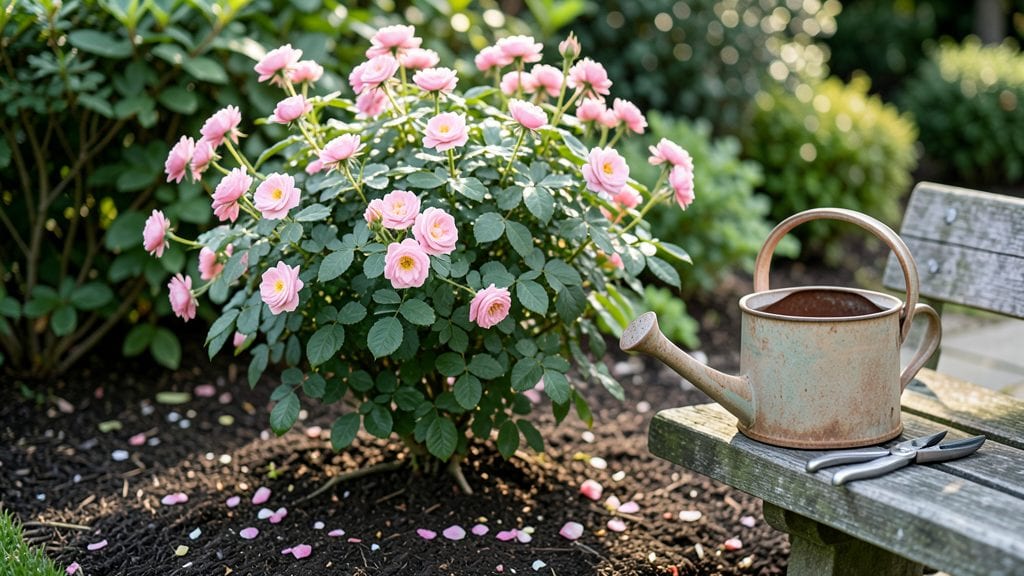
My flower garden maintenance routine starts with just five minutes a day—that's all it takes to keep blooms thriving all season long. Honestly, I used to dread garden chores, but this quick daily check turned my once-struggling beds into a neighbor-jealousy level showpiece.
The secret isn't working harder; it's working smarter with targeted tasks that prevent problems before they start.
You'll need basic tools like sharp pruners, a small watering can, and a quick soil check kit (or just your fingers). The real magic happens in those five minutes: checking soil moisture, snipping dead blooms, and scanning for pests.
I even keep a small notebook to track which plants need extra attention—like my impatiens that wilt fast in afternoon sun. This system works for any flower bed size, from small containers to full sunlit borders.
By summer's end, you'll have vibrant green foliage, continuous blooms, and plants that look like they've been professionally cared for. The key is consistency—those five minutes add up to big results over time.
You'll spot issues early, like powdery mildew or aphids, before they take over, and your flowers will reward you with healthier growth and more abundant blooms all season.
Works for perennials, annuals, and even container gardens—just adjust the focus based on what you're growing. Whether you're dealing with heat waves or early fall rains, this routine keeps your garden looking its best with minimal effort. Let's get those beds thriving!
📚 In This Guide
- What you need
- Instructions
- Tips and common mistakes
- Wrapping up and next steps
What you need
- ● Hand Pruners – Sharp, bypass-style (1 pair) for clean cuts.
- ● Garden Gloves – Durable, breathable (1 pair) to protect your hands.
- ● Watering Can – 5-gallon capacity with a rose nozzle for gentle watering.
- ● Garden Trowel – Stainless steel (1) for weeding and planting.
- ● Hose with Adjustable Nozzle – For deep watering or rinsing off debris.
- ● Rake (Hand or Bow) – Medium teeth (1) for mulch and light soil prep.
- ● Garden Kneeler/Pad – Foldable (1) for comfort during checks.
- ● Mulch – Organic (shredded bark) or inorganic (gravel) (2–3 bags) to retain moisture.
- ● Fertilizer – Slow-release granular or liquid feed (1–2 bottles/bags).
- ● Soil pH Tester – Digital or test kit (1) for occasional checks.
- ● Insect Spray – Neem oil or horticultural soap (1 bottle) for pests.
- ○ Stakes & Twine – For supporting tall flowers (optional, as needed).
- ● Wheelbarrow – 10–12 gallon (1) for hauling debris or compost.
Step-by-Step instructions for flower garden maintenance
Keep your blooms thriving all season with quick, consistent care that prevents problems before they start.
Inspect Plants for Pests and Disease Weekly
Spend just 5 minutes scanning each plant for early signs of trouble. Look under leaves and along stems for tiny webs, chewed edges, or sticky residue—these are red flags for aphids or spider mites. I always check the undersides first because pests love hiding there from sunlight. Healthy leaves should be firm and vibrant; any yellowing or spots mean it's time to act.
If you spot pests, isolate the affected plant immediately. A strong spray of water often dislodges soft-bodied insects like aphids, while neem oil works well for stubborn infestations. This quick check prevents small issues from becoming full-blown garden disasters. I keep a small magnifying glass handy—it reveals pests you'd otherwise miss.
Water Early in the Morning for Stronger Blooms
Water your garden before 9 AM to give flowers time to dry before evening. Wet foliage overnight invites fungal diseases like powdery mildew. I use a soaker hose or drip irrigation to deliver moisture directly to roots, avoiding wet leaves entirely. Water until 1 inch of soil feels moist—stick your finger in to check depth. Overwatering is just as harmful as underwatering.
Mulch around plants with 2-3 inches of organic material to retain moisture and cool roots. This simple step cuts watering time nearly in half. I always water at the base, never overhead, to keep petals dry and vibrant. If you notice leaves curling or wilting by midday, your plants need more frequent watering—adjust based on what you observe.
Deadhead Spent Blooms to Encourage New Growth
Pinch or snip off faded flowers as soon as they wilt to redirect the plant's energy into producing more blooms. Use clean pruners or your fingers for delicate stems. I always work from the bottom up, removing spent blooms before they set seed. This keeps your garden looking tidy and encourages continuous flowering. For annuals like zinnias or petunias, deadheading can double your bloom time.
Watch for seed pods forming—these signal the plant is shifting focus from flowers to reproduction. If you see them, remove the entire stem back to a healthy leaf. Perennials like coneflowers or black-eyed Susans benefit from light pruning after flowering to maintain shape. Never cut into old wood; always prune just above a leaf node where new growth can emerge.
Fertilize Lightly Every 4-6 Weeks
Use a balanced, slow-release fertilizer (like 10-10-10) to feed your flowers without burning roots. Sprinkle 1 tablespoon per plant around the base, then water deeply to activate the granules. I avoid liquid fertilizers—they can cause salt buildup in soil over time. Organic options like composted manure or fish emulsion work well too, but follow package rates carefully.
Look for signs of nutrient deficiency: yellowing leaves between veins suggest iron deficiency, while purple stems indicate phosphorus needs. If you notice these, adjust your fertilizer blend or apply a targeted supplement. Too much fertilizer causes lush foliage but fewer flowers—always aim for a balance. I fertilize right after deadheading to support new growth.
Monitor Soil and Adjust as Needed
Test soil moisture weekly by pressing your finger 1 inch deep. If it feels dry, water thoroughly; if it's still damp, wait another day. Compacted soil drains poorly, so aerate occasionally with a fork or garden fork. I add 1 inch of compost annually to improve texture and fertility. This simple amendment keeps roots healthy and blooms vibrant.
Watch for weeds competing with your flowers—they steal nutrients and water. Pull them when small, before they establish deep roots. I set a timer for 5 minutes every other week to tackle weeds systematically. Healthy soil means fewer pests and stronger plants, so don't skip this step. A quick raking after watering helps too, exposing weed seeds to dry out.
Tips & tricks for perfect flower garden maintenance
These quick strategies will help you maintain a thriving garden with minimal time investment—because even the busiest gardeners can keep their blooms looking their best.
Timing Tip: When you're doing your 5-minute pest inspection in Step 1, pair it with checking for weeds in Step 5. This way, you're tackling two tasks at once without adding extra time to your routine. I always do this right after watering in the morning—wet soil makes weeds easier to pull, and the plants are already hydrated for the day.
Watering Wisdom: In Step 2, if you notice your plants wilting by midday despite morning watering, it's a sign they need more frequent hydration. Instead of increasing the amount of water, try watering more lightly twice a day—once in the morning and once in the early afternoon. This mimics natural rainfall patterns and prevents deep soil drying.
Deadheading Technique: For Step 3, I've found that using clean, sharp pruners makes all the difference. Dull blades can crush stems and introduce disease. If you don't have pruners, your fingers work fine for delicate flowers, but always wash your hands between plants to prevent spreading any potential pathogens. And remember—when you see those seed pods forming, it's time to snip the entire stem back to a leaf node.
Fertilizer Strategy: In Step 4, if you're using a balanced fertilizer like 10-10-10, you can actually split that single tablespoon per plant into two smaller applications—half now and half again in 2-3 weeks. This gradual feeding prevents nutrient burn while still providing consistent nourishment. I also recommend mixing your fertilizer with a little compost before applying to give your plants an extra boost of organic matter.
Pro Tips for Flower Garden Maintenance
- These quick strategies will help you maintain a thriving garden with minimal time investment—because even the busiest gardeners can keep their blooms looking their best.
- Timing Tip: When you're doing your 5-minute pest inspection in Step 1, pair it with checking for weeds in Step 5.
- Watering Wisdom: In Step 2, if you notice your plants wilting by midday despite morning watering, it's a sign they need more frequent hydration.
Frequently asked questions
Got questions about keeping your flower garden thriving with minimal effort? Here are some of the most common concerns—and quick answers to keep your blooms happy all season long!
How often should I check my flower garden for maintenance?
For a healthy garden, aim for a 5-minute daily check (weather permitting) to spot pests, wilting leaves, or overwatering. A deeper 15-minute weekly inspection covers pruning dead blooms, weeding, and checking soil moisture. Adjust based on your plants’ needs—succulents need less, while thirsty annuals may require daily attention.
What’s the best time of day to water my flowers?
Water in the early morning (6–9 AM) to reduce evaporation and fungal risks. Avoid evening watering, as damp foliage overnight can invite pests or disease. If you must water later, aim for late afternoon (after 4 PM) and ensure leaves dry quickly. Pro tip: Use a drip irrigation system or soaker hose to deliver water directly to roots!
Can I prune flowers anytime, or is there a best time?
Prune dead or faded blooms regularly to encourage new growth, but avoid heavy pruning during active flowering seasons (e.g., summer for perennials). For spring-blooming plants (like peonies), prune after they finish blooming. Always use clean, sharp shears to prevent damage, and remove no more than 1/3 of the plant at once.
What’s the fastest way to fix common flower garden pests?
Start with prevention: Healthy soil (rich in compost) and proper spacing reduce stress. For pests like aphids or spider mites, blast them off with a strong spray of water or use neem oil (mix 1 tbsp with 1 quart water). For slugs, set out beer traps (bury a shallow dish filled with beer) or use copper tape around pots. Act fast! Early intervention saves your blooms.
Are there low-maintenance flowers for beginners?
Try these hardy, resilient picks:
- Lavender: Drought-tolerant, pest-resistant, and thrives in full sun.
- Black-eyed Susans: Perennial, low-water, and blooms all summer.
- Marigolds: Repel pests naturally and self-seed easily.
- Sedum (Stonecrop): Succulent-like, survives drought, and attracts pollinators.
Wrapping up and next steps
Maintaining a thriving flower garden doesn’t have to be daunting—just consistent and mindful. With quick, daily checks for pests, hydration, and sunlight, you’ll keep your blooms vibrant all season long. Remember, every small effort adds up to a lush, rewarding garden!
Ready to take the next step? Start with one 5-minute check today—your flowers (and future gardening confidence!) will thank you. 🌸