
Shrubs
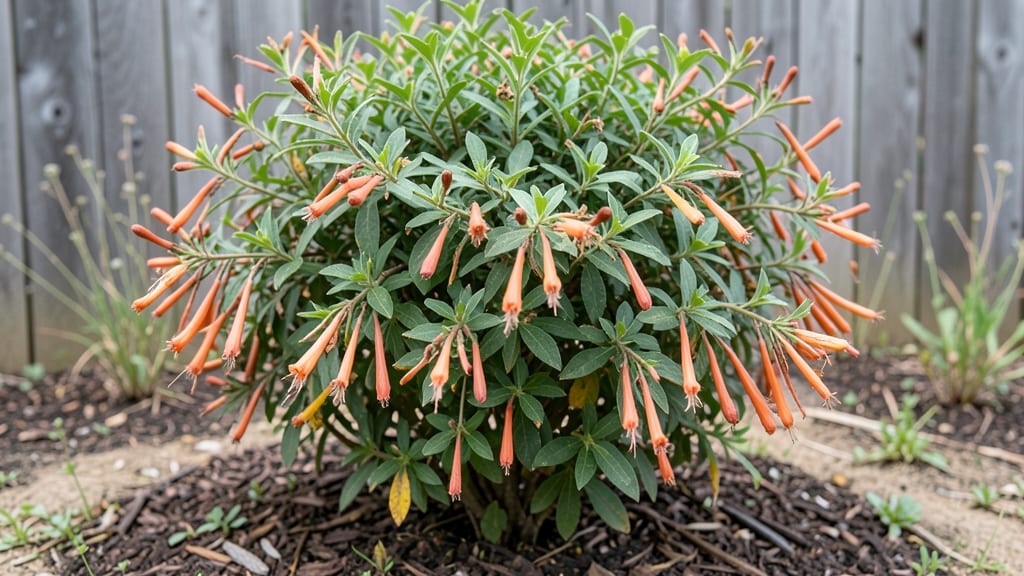
Florida’s sun-soaked climate turns the right flowering shrubs into nonstop blooming powerhouses—just pick the varieties that thrive in our heat and humidity. 🌿 I’ve tested crape myrtles, firebush, and jacarandas in my own yard, and these three handle Florida’s summers like champions, with minimal fuss.
The secret isn’t just choosing drought-tolerant plants—it’s matching them to your yard’s light and soil, then letting them spread their color without overwatering.
Most of these shrubs need full sun (6+ hours daily) and well-draining soil—even Florida’s sandy soil works if you amend it with compost. Firebush, for example, blooms from summer through fall with bright red flowers, while crape myrtles deliver dramatic purple blooms in late summer.
Plant them in well-drained beds or raised areas to avoid soggy roots, and water deeply but infrequently once established.
You’ll end up with a yard that stays vibrant even during dry spells, with blooms that attract hummingbirds and butterflies year-round. Pruning is simple: trim back leggy growth after flowering to encourage bushier shapes, and remove dead wood in early spring.
The payoff? A landscape that stays lush without constant attention—exactly what Florida gardeners need.
Works for coastal yards, inland heat zones, and even urban spaces with the right variety. Let’s get yours thriving without the guesswork!
📚 In This Guide
- What you need
- Instructions
- Tips and common mistakes
- Wrapping up and next steps
What you need
- ● Florida-native or heat-tolerant flowering shrubs: 1-3 plants per variety (e.g., Firebush (Hamelia patens), Jacaranda (Jacaranda mimosifolia), or Bush Jasmine (Cestrum nocturnum))
- ● Choose 3-5 gallon containers for mature plants or 1-gallon pots for smaller starts.
- ● Well-draining potting mix: 5-10 bags (look for Florida-friendly blends with perlite or sand).
- ● Mulch: 2-3 cubic feet of organic mulch (pine bark or cypress mulch works best).
- ● Slow-release fertilizer: 1-2 bags of balanced, granular fertilizer (10-10-10 or 8-3-9) for Florida’s sandy soil.
- ● Organic compost: 1-2 bags (to enrich soil with nutrients).
- ● Garden gloves (1 pair, heavy-duty for prickly plants like Firebush).
- ● Trowel or spade (for digging holes 2x wider than the root ball).
- ● Garden hose or watering can (with a spray nozzle for gentle watering).
- ● Pruning shears (sterilized, for shaping and deadheading).
- ● Measuring tape (to ensure proper spacing—3-6 feet apart for most shrubs).
- ○ Wheelbarrow (optional, for hauling soil/mulch).
- ● Sunny location: 6+ hours of direct sunlight daily (Florida’s full sun is ideal!).
- ● Well-draining soil: Amend heavy clay or sandy soil with compost (aim for 6.0-7.0 pH).
- ● Water source nearby (drip irrigation or soaker hose recommended).
- ● Patience! Some shrubs (like Jacaranda) take 2-3 years to reach full bloom.
Step-by-Step instructions for planting sun-loving Florida flowering shrubs
Here’s my battle-tested approach for establishing vibrant, low-maintenance shrubs that thrive in Florida’s intense sun.
🌱 Step 1: Choose the Right Varieties for Year-Round Blooms
Florida’s climate favors shrubs that handle heat and humidity without fuss. I recommend firebush (Hamelia patens) for its fiery red blooms, abutilon (Abutilon hybridum) for its trumpet-shaped flowers, or plumbago (Plumbago auriculata) for its sky-blue clusters. All three tolerate full sun and Florida’s sandy, well-draining soils.
Check the mature size of each shrub before planting—firebush can reach 6-10 feet tall, while abutilon stays compact at 3-5 feet. Plant smaller varieties like plumbago in 1-gallon containers for easier handling, while larger shrubs may need 3-5 gallon pots from the nursery.
💧 Step 2: Prepare the Planting Site for Optimal Drainage
Florida’s heavy rains demand excellent drainage. Dig a hole twice as wide as the root ball but only as deep. Mix the excavated soil with 3 parts native soil and 1 part compost to improve fertility without compacting. Avoid garden soil—it’s too dense and retains too much moisture.
For sandy soils, add a 1-inch layer of perlite to the bottom of the hole to prevent root rot. Gently remove the shrub from its container and loosen any circling roots with your fingers. This encourages outward growth instead of root-bound stress.
☀️ Step 3: Plant and Water Deeply for Strong Establishment
Place the shrub in the hole so the top of the root ball sits 1 inch above ground level. This prevents waterlogging during Florida’s frequent downpours. Backfill with your amended soil mix, pressing lightly to remove air pockets. Water immediately after planting to settle the soil and eliminate gaps.
Give each shrub 1 gallon of water per week during the first month, splitting it into two waterings. Overhead watering can spread disease, so use a soaker hose or drip irrigation instead. Mulch with 2-3 inches of pine bark to retain moisture and suppress weeds—just keep mulch 6 inches away from the stem to prevent rot.
✂️ Step 4: Prune for Shape and Encourage Continuous Blooms
Prune firebush and abutilon immediately after flowering to shape the shrub and promote new growth. Cut back one-third of the oldest stems to the ground while leaving younger stems intact. This rejuvenates the plant and ensures a fresh flush of blooms.
For plumbago, trim back leggy stems in early spring to encourage bushier growth. Deadhead spent flowers regularly to redirect energy into new blooms. Avoid heavy pruning in late summer—this can delay fall blooms when Florida’s weather cools slightly.
🪴 Step 5: Fertilize Strategically for Nonstop Color
Florida’s sandy soil leaches nutrients quickly, so feed shrubs twice a year: once in early spring with a balanced 10-10-10 fertilizer and again in mid-summer with a low-nitrogen, high-phosphorus formula (like 3-6-6) to boost flowering. Apply fertilizer 6 inches away from the stem to avoid root burn.
Water deeply before and after fertilizing to help nutrients penetrate the soil. Over-fertilizing leads to lush foliage but fewer flowers—so follow the recommended rates on the package. For organic options, use fish emulsion in spring and bone meal in summer for a slow-release phosphorus boost.
Tips & tricks for perfect Florida flowering shrub planting
Between Florida’s relentless sun and sandy soil, these sun-loving shrubs need the right approach to thrive. Here’s what I’ve learned after years of trial and error with firebush, abutilon, and plumbago.
Root Ball Prep: Before planting, soak the root ball of container-grown shrubs for 10-15 minutes in water. This hydrates the roots and helps them transition more smoothly into Florida’s sandy soil. For firebush and abutilon in 3-5 gallon pots, you’ll notice the soil dries out faster—so give them a good drink before planting. This prevents transplant shock, especially during Florida’s dry seasons.
Soil Mix Secret: The 3:1 ratio of native soil to compost from Step 2 is non-negotiable for Florida’s sandy soils, but here’s the trick: add ½ cup of bone meal to the mix when planting plumbago. The phosphorus boost encourages those vibrant blue blooms from the get-go. For abutilon, mix in 1 tablespoon of Epsom salt—it gives the magnesium push these trumpet-shaped flowers crave.
Watering Wisdom: That 1 gallon per week guideline in Step 3 is perfect, but timing matters just as much. Water in the early morning to let foliage dry before afternoon humidity sets in. This prevents fungal issues like powdery mildew, which can ruin those showstopping blooms. I’ve seen firebush plants go from lush to leggy in weeks when watered at night—don’t make that mistake!
Pruning Precision: When cutting back one-third of the oldest stems for firebush and abutilon, use clean, sharp pruners and make cuts at a 45-degree angle just above a leaf node. This encourages new growth from the base. For plumbago, I’ve found that trimming back one-third of the leggiest stems in early spring—rather than all at once—keeps the plant bushier without sacrificing fall blooms.
Pro Tips for Florida Flowering Shrub
- Between Florida’s relentless sun and sandy soil, these sun-loving shrubs need the right approach to thrive.
- Root Ball Prep: Before planting, soak the root ball of container-grown shrubs for 10-15 minutes in water.
- Soil Mix Secret: The 3:1 ratio of native soil to compost from Step 2 is non-negotiable for Florida’s sandy soils, but here’s the trick: add ½ cup of bone meal to the mix when planting plumbago.
Frequently asked questions
Got questions about growing Florida flowering shrubs? You're not alone! Here are some of the most common queries—plus straightforward answers to help you cultivate a vibrant, low-maintenance landscape.
When is the best time to plant Florida flowering shrubs?
The ideal window is late fall through early spring (November–March), when temperatures are mild and rainfall is plentiful. Avoid planting during Florida’s sweltering summer—heat stress can stunt root growth. Pro tip: If you must plant in summer, provide extra shade and water to help them acclimate.
How much sun do these shrubs really need?
Most Florida flowering shrubs thrive in full sun (6+ hours/day), but some varieties (like Firebush or Oakleaf Hydrangea) tolerate partial shade. Check your shrub’s label—overly shady spots can reduce blooms. Troubleshoot: If flowers are sparse, move or prune nearby trees to boost sunlight exposure.
How often should I water newly planted shrubs?
Water deeply 2–3 times per week for the first month, then taper to 1–2 times weekly (or more in extreme heat). Florida’s sandy soil drains quickly, so aim for 1–2 inches of water per session. After establishment, most shrubs need only occasional watering—drought-tolerant picks like Bush Honeysuckle are great for low-maintenance yards.
Can I prune flowering shrubs year-round?
Timing matters! Prune after blooming (late spring/summer) for most shrubs to encourage next year’s flowers. Exception: Shrubs like Abelia or Camellia bloom on old wood—prune right after flowering (spring). Avoid heavy pruning in fall/winter, as it can stress plants before dormancy.
What pests should I watch for in Florida flowering shrubs?
Common culprits include aphids, whiteflies, and scale insects. Look for sticky residue (honeydew) or yellowing leaves. Natural fixes: Spray with water to dislodge aphids, or introduce ladybugs. For stubborn infestations, use neem oil or insecticidal soap. Preventative tip: Healthy soil = resilient plants—mulch and fertilize regularly!
Wrapping up and next steps
Transforming your Florida landscape into a vibrant, year-round paradise is easier than you think! 🌸 With the right sun-loving flowering shrubs, you’ll enjoy bursts of color, low maintenance, and a thriving garden that turns heads.
Whether you’re a seasoned gardener or just starting, these hardy plants are your ticket to effortless beauty.
Ready to take the next step? Pick one (or two!) shrubs from our guide, grab your gardening gloves, and plant them this weekend. Your future blooms—and your neighbors—will thank you! 🌿✨