
Lawn
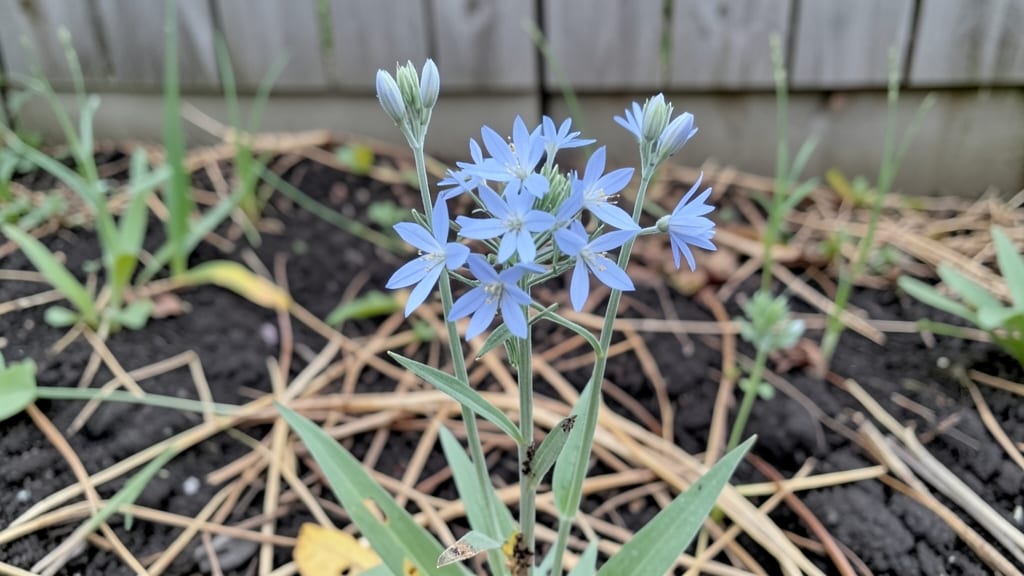
Growing flax seed flowers from tiny seeds transforms your garden into a delicate blue sea of blooms that hummingbirds adore. 🌿 I planted mine last April, and by early June, they were swaying in the breeze—no fuss, just pure beauty.
The secret lies in their love of cool weather and well-drained soil, which makes them surprisingly easy to grow even for beginners.
You’ll need just a handful of supplies: flax seeds (available at garden centers or online), a sunny spot with at least 6 hours of light daily, and soil that drains well. Flax thrives in poor soil—it’s not picky about nutrients—which means you can grow it alongside other plants without competition.
The seeds germinate quickly, often within 7-10 days, so you’ll see progress fast.
Once established, these flowers need minimal care—water them lightly to keep the soil moist but never soggy. In just 6-8 weeks, you’ll be rewarded with clusters of sky-blue blooms that last for weeks.
The flowers are also edible and add a unique flavor to salads or baked goods, though they’re primarily grown for their ornamental value.
Perfect for borders, cottage gardens, or even container growing, flax flowers bring a touch of elegance with almost no effort. Whether you’re a seasoned gardener or just starting out, these resilient plants are a must-try for anyone who loves low-maintenance beauty. Let’s get those seeds planted!
📚 In This Guide
- What you need
- Instructions
- Tips and common mistakes
- Wrapping up and next steps
What you need
- ● Flax seed flowers (Linum usitatissimum): Purchase organic, non-GMO seeds (about 20-50 seeds, depending on desired plant quantity). Look for varieties like 'Olympia' or 'Golden Flax' for vibrant blooms.
- ● Well-draining potting soil or garden soil: A mix of 60% topsoil, 30% perlite or sand, and 10% compost works best. Avoid heavy clay soil.
- ● Containers or garden bed: For containers: 6-inch pots or larger (1-2 seeds per pot). Ensure pots have drainage holes.
- ● For garden beds: Choose a sunny spot with at least 6-8 hours of sunlight daily.
- ● Watering can or spray bottle: A gentle watering method to avoid disturbing seeds.
- ○ Plant labels (optional but helpful): Mark varieties and planting dates to track growth.
- ○ Gloves (optional): Protect your hands while handling soil or seeds.
- ○ Seedling trays (optional): For starting seeds indoors 6-8 weeks before the last frost.
- ● Fertilizer (balanced, low-nitrogen): A 10-10-10 or 5-5-5 formula (mix 1 tbsp per gallon of water) to promote blooming.
- ○ Mulch (optional): Straw or shredded leaves to retain moisture and suppress weeds.
- ○ Pruning shears (optional): To trim spent blooms and encourage new growth.
- ○ Sunlight meter (optional): To ensure your chosen spot gets adequate light.
How to grow flax seed flowers for stunning year-round color
Here's the straightforward method I've used to grow flax seed flowers—delicate blooms that thrive in containers or garden beds.
🌱 Step 1: Prepare the Soil and Plant Seeds
Start with a well-draining mix—flax hates soggy roots. Fill your containers with the 3 gallons of potting mix and gently loosen the top inch with your fingers. Flax seeds are tiny, so I like to sprinkle them lightly across the surface rather than planting them deeply. Just press them into the soil so they make contact.
Cover them with a thin layer of vermiculite (about ¼ inch deep) to help retain moisture while they germinate. Water gently with a spray bottle until the soil feels evenly moist but not wet. Keep the containers in a warm spot (65-75°F) until you see sprouts—usually within 7-10 days.
☀️ Step 2: Provide Bright Light and Thin Seedlings
Once the first true leaves appear, move your flax seedlings to a spot with full sun (6+ hours daily). A south-facing window or grow light works well. If you notice seedlings growing leggy (stretched and pale), they need more light—adjust the position within 4 inches of the light source. Strong seedlings will have compact stems and deep green leaves.
When the seedlings reach 2 inches tall, thin them to 4 plants per container (or 6 inches apart in garden beds). Use scissors to snip excess seedlings at soil level—this prevents disturbing the roots of the remaining plants. Water lightly after thinning to help them recover.
💧 Step 3: Maintain Moisture and Fertility
Flax flowers prefer consistent moisture but not soggy soil. Water when the top inch feels dry to the touch, usually every 2-3 days in warm weather. Avoid wetting the leaves to prevent fungal issues. Once the plants reach 6 inches tall, add a half-strength liquid fertilizer (like the 16 oz bottle provided) every 2 weeks to encourage blooming.
Here’s the thing—flax flowers are self-cleaning, meaning they drop old blooms naturally. You won’t need to deadhead, but if you want to extend the blooming season, simply snip spent stems at the base with clean scissors. This encourages new flowers to form quickly.
⏰ Step 4: Enjoy Year-Round Blooms with Proper Care
Flax flowers bloom best when they receive bright light year-round. In winter, supplement with a grow light if natural light is limited. You’ll see the first blooms in 8-12 weeks after planting, and with proper care, they’ll continue flowering for months. The delicate blue or white flowers add a soft touch to any garden or patio.
If you’re growing flax in containers, move them to a sheltered spot during strong winds or heavy rain—their stems are slender and can bend easily. With the right light and care, your flax flowers will reward you with continuous blooms and a fragrant, airy presence in your space.
Tips & tricks for perfect flax seed flower growth
A few simple adjustments can make all the difference when growing these delicate blooms.
Seed Placement: Flax seeds are so tiny that even a slightly uneven distribution can lead to patchy germination. I like to mix them with a little dry sand first—this helps spread them evenly across the soil surface. Press them gently but firmly into the top inch of the 3 gallons of potting mix so they make good contact with the soil. This ensures consistent sprouting throughout your container rather than just in a few spots.
Light Source Strategy: The 6+ hours of full sun requirement is non-negotiable for flax flowers. If you're using a grow light, position it 4 inches above the seedlings and adjust as they grow. I've found that using a timer for 12-14 hours of light daily mimics natural sunlight cycles perfectly. Watch for leggy growth as a sign they need more light—this is your plants telling you they're stretching toward what they can't reach.
Thinning Technique: When thinning to 4 plants per container at the 2-inch mark, use clean scissors to snip at soil level rather than pulling. This prevents disturbing the roots of your remaining plants and gives you a cleaner look. I like to thin in stages—first remove the weakest seedlings, then wait a week before removing any remaining overcrowded plants. This gives your survivors time to establish strong root systems.
Winter Lighting: During shorter winter days, supplement with a grow light to maintain that 6+ hours of full sun requirement. LED grow lights are energy-efficient and work well for flax. Place them 6 inches above your plants and keep them on for 10-12 hours daily. The 8-12 week bloom time starts from planting, so winter lighting helps maintain consistent growth throughout the year.
Pro Tips for Flax Seed Flower
- A few simple adjustments can make all the difference when growing these delicate blooms.
- Seed Placement: Flax seeds are so tiny that even a slightly uneven distribution can lead to patchy germination.
- Light Source Strategy: The 6+ hours of full sun requirement is non-negotiable for flax flowers.
Frequently asked questions
Got questions about growing flax seed flowers? You’re not alone! Here are some of the most common queries—and straightforward answers—to help you cultivate stunning blooms with ease.
How long does it take for flax seed flowers to grow from seed?
Flax seed flowers are fast growers! From planting, expect tender seedlings in 7–14 days, with mature plants (ready for blooms) in 60–90 days. If you’re aiming for vibrant flowers, start seeds indoors 4–6 weeks before your last frost for a head start.
Can flax seed flowers survive winter or do they need replanting yearly?
Flax seed flowers are annuals, meaning they complete their life cycle in one season. However, they’re cold-hardy! Plant them in early spring or late summer for fall blooms. If you love their delicate blue or white flowers year-round, simply replant seeds each season—they thrive in cool weather.
What’s the best way to harvest flax seed flowers for seeds?
Wait until the flower heads turn brown and dry (usually 60–90 days after planting). Snip the seed heads with scissors, then spread them in a paper bag or mesh bag to dry for 1–2 weeks. Once fully dry, gently rub the heads to release the seeds—store them in a cool, dry place for next year’s planting!
Are there any pests or diseases I should watch for with flax seed flowers?
Flax seed flowers are generally low-maintenance, but keep an eye out for aphids or powdery mildew in humid conditions. Improve airflow by spacing plants 12–18 inches apart, and use neem oil if pests appear. Overwatering can cause root rot, so let the soil dry slightly between waterings.
Can I grow flax seed flowers in containers or do they need a garden bed?
Flax seed flowers adapt well to containers, making them perfect for balconies or small spaces. Use a 5–6 inch deep pot with drainage holes, and plant 2–3 seeds per container. Just ensure they get full sun (6+ hours daily)—their compact size makes them ideal for urban gardeners!
Wrapping up and next steps
Growing flax seed flowers is a rewarding journey that transforms humble seeds into stunning, fragrant blooms—perfect for brightening your garden or adding a touch of rustic charm.
Whether you're drawn to their delicate beauty or their hardy nature, these flowers prove that even the smallest seeds can yield big results. 🌸
Ready to take the next step? Start by planting your first batch this season, and soon, you’ll be sharing your flourishing flax seed blooms with neighbors or even selling them at local markets! Happy gardening!