
Shrubs
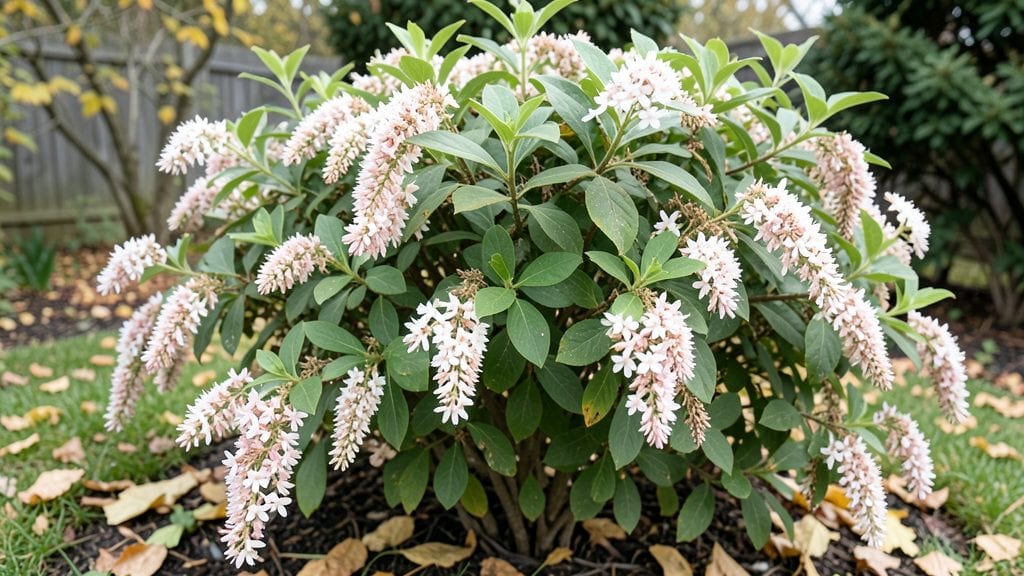
Fall flowering bushes transform your yard into a jewel-toned masterpiece when most gardens fade to brown. 🌿 I’ve learned the hard way that not all shrubs deliver reliable autumn color—some need the right soil, the right pruning timing, or even a second feeding to keep blooming until frost.
The difference between a bush that peters out in October and one that stays vibrant through November comes down to a few key moves.
Start with varieties like hydrangeas (especially ‘Limelight’ or ‘Endless Summer’), asters, or mums—these are the workhorses of fall color. They thrive in partial shade and well-draining soil, and most handle cooler temps better than you’d expect. The secret weapon?
A light fertilizer in early September (think half-strength balanced mix) to fuel late-season blooms. And prune now—cut back dead stems after frost, but leave last year’s growth on shrubs like hydrangeas to protect next year’s buds.
By October, you’ll have bushes bursting with color that outshines anything you’d buy at the store. The foliage stays crisp, the blooms last longer, and you’ll get compliments from neighbors who didn’t know shrubs could look this good in fall.
The best part? These same bushes often return with even more drama next season if you prep them right for winter.
Works in zones 4–9, though southern gardeners might need afternoon shade to prevent wilting. Pair them with ornamental grasses or golden-leafed perennials for extra contrast—your fall garden will be the talk of the block. Here’s how to keep them thriving until the snow flies.
📚 In This Guide
- What you need
- Instructions
- Tips and common mistakes
- Wrapping up and next steps
What you need
- ● Fall-flowering shrubs: Choose 3–5 mature plants (e.g., Abelia, Hydrangea, or Viburnum) based on your garden size.
- ● High-quality potting soil: 1–2 bags (1–2 cubic feet each) for planting or repotting.
- ● Organic fertilizer: Slow-release, 10-10-10 or a balanced fall-friendly blend (e.g., Miracle-Gro Shake ’n Feed).
- ● Mulch: 2–3 cubic feet of shredded bark or pine straw to retain moisture.
- ● Pruning shears: Bypass-style, sharp, and sterilized (for shaping and deadheading).
- ● Garden gloves: Heavy-duty, long-cuffed (to protect from thorns and soil).
- ● Trowel or spade: For digging holes (12–18" wide/deep per plant).
- ● Watering can or hose: With a gentle spray nozzle for post-planting hydration.
- ○ Stakes & ties: (Optional) For young or top-heavy bushes in windy areas.
- ○ Plant food (liquid): (Optional) For a mid-fall boost (e.g., Fish emulsion).
- ● Pest control: Neem oil or insecticidal soap (if aphids or mites appear).
- ○ Garden twine: (Optional) For securing mulch or marking plant locations.
How to select and plant fall flowering bushes for season-long color
Here's my foolproof approach to choosing and planting bushes that keep blooming until frost.
🌱 Step 1: Choose the Right Bushes for Your Climate and Space
Start with four fall-blooming varieties that thrive in your hardiness zone. I recommend a mix of hydrangeas, abelia, oakleaf hydrangea, and butterfly bush—each brings different textures and colors. Check the mature height of each plant; for example, butterfly bush grows 4-6 feet tall while abelia stays compact at 3-5 feet.
Look for plants with multiple blooms still in bud—this guarantees continuous color. Avoid leggy specimens with sparse foliage; they won't recover well. I always choose plants with at least 3-4 stems and vibrant green leaves, not yellowing ones. This ensures they'll establish quickly and flower all season.
☀️ Step 2: Select the Perfect Planting Location
Most fall bloomers need 6-8 hours of sunlight daily, but some like hydrangeas tolerate morning sun and afternoon shade. I plant mine where they get at least 5 hours of direct light—this keeps blooms vibrant longer. Avoid spots where afternoon sun would scorch leaves in summer.
Check the soil drainage where you'll plant. Fall bushes hate soggy roots, so dig a test hole 12 inches deep and fill it with water. If it drains in 1 hour, the spot's fine. If water remains after 4 hours, amend the soil with 3 inches of compost or plant in a raised bed. I always add a 2-inch layer of gravel at the bottom of the hole for extra drainage.
🪴 Step 3: Prepare the Planting Hole and Soil
Dig a hole twice as wide as the plant's root ball but only as deep as the container's bottom. This prevents burying the stem too deeply, which can cause rot. Loosen the roots gently if they're circling in the pot—just tease them apart with your fingers.
Mix the excavated soil with half a bucket of compost and a handful of slow-release fertilizer. This gives your bushes a nutrient boost without overwhelming them. For acid-loving plants like hydrangeas, add 1 cup of peat moss to the mix. Fill the hole halfway, then place the plant in and adjust until the top of the root ball sits 1 inch below ground level.
💧 Step 4: Plant and Water Thoroughly
Backfill the hole with your soil mixture, pressing gently to remove air pockets. I like to use my hands to firm the soil—this helps roots make contact with the earth. Water immediately after planting, giving each bush 2 gallons of water to settle the soil and eliminate air gaps. You'll see water pooling at the surface, but that's normal.
Add 2-3 inches of mulch around the base, keeping it 3 inches away from the stem. This protects roots from temperature swings and retains moisture. Water again 3 days later to encourage root growth. Avoid overwatering—you want the soil to feel moist but not soggy when you check it.
✂️ Step 5: Prune and Maintain for Continuous Blooms
After planting, trim any dead or damaged stems with clean, sharp pruners. Cut just above a leaf node or bud to encourage new growth. For most fall bloomers, prune lightly in early spring to shape the bush—never prune after mid-June, as this removes next year's flower buds.
Fertilize in early spring with a balanced 10-10-10 formula, then again in mid-summer with a low-phosphorus fertilizer to promote blooms. Deadhead faded flowers regularly to redirect the plant's energy into new blooms. You'll notice fresh buds forming within 2-3 weeks of deadheading.
Tips & tricks for perfect fall flowering bushes
Here's what nobody tells you about keeping your fall bloomers vibrant until frost.
The Light Factor: In Step 2, when you're checking sunlight exposure, take note of how shadows shift throughout the day. What looks like 6 hours of sun in the morning might turn into only 3 hours of direct light by afternoon. I always stake out the spot for a full day before planting—this helps me predict how much light each bush will actually receive. For hydrangeas specifically, that afternoon shade is crucial to prevent leaf scorch.
Root Health Secret: During Step 3, when you're preparing the planting hole, don't skip the gravel layer at the bottom—this is your insurance against soggy roots. I've seen too many fall bushes struggle because their roots sat in waterlogged soil. The gravel creates a drainage path while still allowing roots to spread naturally. For clay-heavy soils, you might want to add an extra inch of gravel to help with drainage.
Watering Wisdom: The 2 gallons of water in Step 4 might seem like a lot, but it's essential for settling the soil around those delicate roots. I like to use a watering can with a narrow spout to direct the water right at the base of the plant. After the initial watering, I always check the soil moisture 3 days later by sticking my finger about 2 inches into the soil—it should feel moist but not wet. This helps prevent both underwatering and overwatering.
Pruning Precision: When you're trimming dead stems in Step 5, pay attention to where you make your cuts. Always cut just above a leaf node or bud—this is where new growth will emerge. I use clean, sharp pruners and make a 45-degree angle about 1/4 inch above the bud. This technique promotes better healing and stronger regrowth. Remember, the mid-June cutoff is crucial for fall bloomers—any pruning after that removes next year's flower buds.
Pro Tips for Fall Flowering Bushes
- Here's what nobody tells you about keeping your fall bloomers vibrant until frost.
- The Light Factor: In Step 2, when you're checking sunlight exposure, take note of how shadows shift throughout the day.
- Root Health Secret: During Step 3, when you're preparing the planting hole, don't skip the gravel layer at the bottom—this is your insurance against soggy roots.
Frequently asked questions
Got questions about fall flowering bushes? You’re not alone!
Here are answers to the most common ones to help you pick, plant, and enjoy these autumn stars with confidence.
When is the best time to plant fall flowering bushes?
Plant them in early fall (4–6 weeks before your first frost) for strong root growth before winter. This gives them time to establish without competing with summer heat or summer blooms. Avoid planting too late—they need time to adjust before cold sets in!
How long do fall flowers last on these bushes?
Most varieties bloom for 4–8 weeks, starting in late summer (August/September) and lasting until frost. Some, like Abelia or Weigela, may rebloom lightly in spring. Choose late-season bloomers (e.g., Cotoneaster) for the longest show.
Do fall flowering bushes need special care in cold climates?
Most are hardy, but mulch the base (2–3 inches) after planting and water deeply before winter to prevent drought stress. Prune after flowering (late winter/early spring) to avoid cutting off next year’s buds. Tender varieties (like Camellia) may need winter protection.
What’s a good alternative if I want color but no flowers?
Try fall foliage shrubs like Smoke Bush (Cotinus) (vibrant purple leaves) or Oakleaf Hydrangea (deep red/purple foliage). For year-round interest, pair flowering bushes with evergreen options like Boxwood or Pieris.
Why aren’t my fall flowers as vibrant as expected?
Check for over-fertilizing (too much nitrogen = lush leaves, fewer blooms), poor sunlight (most need full sun for best color), or pests/disease (e.g., spider mites or powdery mildew). Prune dead blooms promptly to encourage reblooming and ensure well-draining soil.
Pro Tip:
For maximum impact, plant fall bushes in groups of 3–5 and layer heights (tall in back, short in front). Mix colors—deep reds (e.g., Burning Bush) pair stunningly with golden yellows (e.g., Fothergilla) for a fiery display!
Wrapping up and next steps
Fall flowering bushes bring vibrant color and life to your garden long after summer fades—proving that autumn doesn’t have to be dull. 🌿 Whether you’re drawn to the bold hues of Hydrangea, the delicate charm of Abelia, or the hardy resilience of Viburnum, these plants offer year-round interest with minimal fuss.
With the right care, your yard can become a stunning autumn showcase that delights both you and wildlife.
Ready to transform your space? Start small—pick one or two varieties that suit your climate and style, then plant them this season. Before you know it, your garden will be the talk of the neighborhood! 🌸