
Shrubs
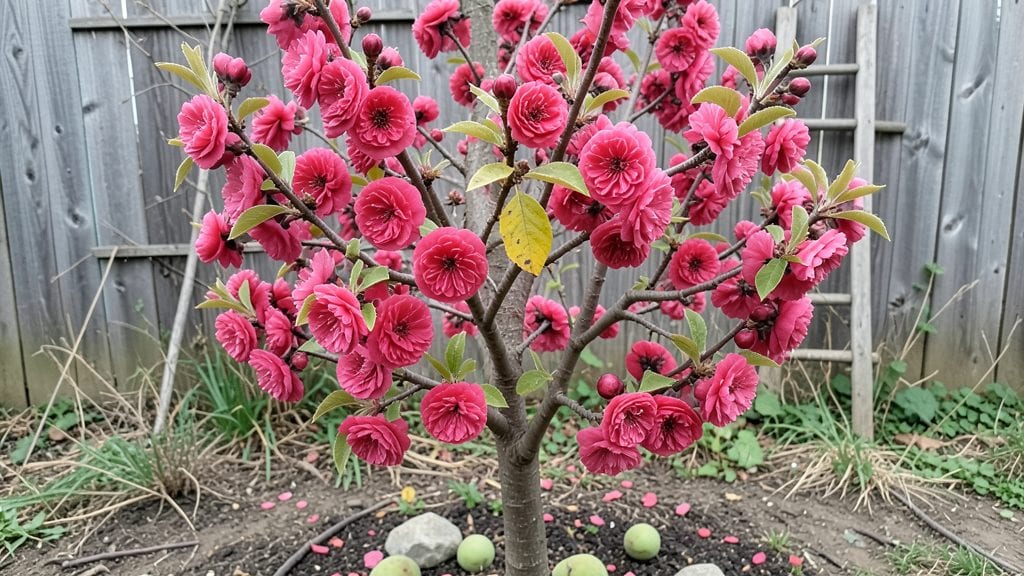
My double red flowering peach tree bursts into crimson clouds every spring, and the fragrance alone makes it worth the effort.
Unlike standard peaches, this ornamental cultivar focuses all its energy on showstopping blooms—double layers of petals that look like velvet—rather than fruit production, though a few tiny, tart peaches may appear if pollination happens.
The trade-off is worth it for the year-round interest: silvery bark in winter, fresh green foliage in summer, and fiery fall colors that put most maples to shame.
Planting one is simpler than you’d think, but timing matters. These trees thrive in USDA zones 5-8, where they’ll reward you with blooms for decades if you give them full sun (6+ hours daily) and well-draining soil.
Amend heavy clay with compost or sand, and avoid soggy spots—they hate wet feet. Mulch around the base to keep roots cool in summer and warm in winter, which helps prevent the browning leaf edges that plague many flowering peaches.
I’ve found that drip irrigation keeps water where it belongs, avoiding fungal issues that plague overhead sprinklers.
Pruning is where most gardeners trip up, but the key is less is more. After blooms fade, trim out dead wood and crossing branches to improve airflow—this cuts down on peach leaf curl, the fungal disease that wrinkles foliage like a crumpled paper bag.
In late winter, prune again to shape the tree and remove any suckers at the base. The goal is an open center that lets sunlight reach all those buds.
With proper care, your tree will put on a spring show so dramatic your neighbors will ask what kind of magic you’re growing.
Here’s the secret weapon for extra blooms: feed lightly in early spring with a balanced 10-10-10 fertilizer, then switch to a low-nitrogen, high-phosphorus formula (like 5-10-10) once buds swell.
Too much nitrogen sends energy to leaves instead of flowers, and these trees already produce enough foliage to shade their own branches. In colder zones, wrap the trunk with burlap in winter to protect it from sunscald, where rapid temperature swings crack the bark.
With these tweaks, your double red will be the standout star of your landscape for years to come.
📚 In This Guide
- What you need
- Instructions
- Tips and common mistakes
- Wrapping up and next steps
What you need
- ● Double Red Flowering Peach Tree: 1 healthy, disease-free sapling (5–7 ft tall, bare-root or potted). Pro tip: 💡 Look for grafted varieties for better disease resistance!
- ● Well-draining soil: 1–2 cubic yards of a mix of 60% topsoil, 30% compost, and 10% perlite/sand (adjust for clay-heavy soil).
- ● Sunlight: A full-sun location (6+ hours of direct sunlight daily).
- ● Water: 5–10 gallons per watering (adjust based on weather).
- ● Fertilizer: Balanced 10-10-10 or organic compost tea (1 cup per tree, applied 2–3 times/year).
- ● Mulch: 2–3 inches of organic mulch (wood chips, straw, or pine bark).
- ● Garden trowel or spade (for planting).
- ● Gloves (to protect hands from thorns).
- ● Watering can or hose with nozzle (gentle watering is key!).
- ● Pruning shears (sterilized, for shaping and maintenance).
- ○ Stakes & ties (optional) (if planting in windy areas).
- ● pH test kit (ideal soil pH: 6.0–7.0).
- ○ Pest control (optional): Neem oil (for aphids/mites).
- ● Diatomaceous earth (for soil pests).
How to plant and care for a double red flowering peach tree
This stunning tree delivers breathtaking crimson blooms and intoxicating fragrance with minimal fuss.
Choose the Perfect Planting Location
Select a spot with full sun exposure—at least 6 to 8 hours daily. The Double Red flowering peach thrives in areas where it receives morning sunlight and afternoon shade, especially in hotter climates. Avoid low-lying spots where cold air settles, as this tree is sensitive to late frosts.
Test your soil’s drainage by digging a hole and filling it with water. If it drains in less than an hour, your site is ideal. Poor drainage leads to root rot, which can kill the tree within weeks. Amend heavy clay soil with 2-3 inches of compost mixed into the top 12 inches of soil to improve aeration.
Plant at the Right Time and Depth
Plant your Double Red flowering peach in early spring, after the last frost date but before new growth begins. This timing ensures the tree establishes roots before summer heat stress. Dig a hole twice as wide as the root ball but no deeper—planting too deep suffocates roots and causes stress.
Gently remove the tree from its container and loosen any circling roots with your fingers. Place the root ball in the hole so the top sits 1-2 inches above ground level. Backfill with native soil, tamping lightly to eliminate air pockets. Water deeply to settle the soil and eliminate gaps around the roots.
Water and Mulch for Healthy Growth
Water your newly planted tree 1-2 times per week for the first month, providing 1-2 gallons per watering to ensure moisture reaches the root zone. After establishment, water deeply once a week during dry spells—check by inserting your finger 2 inches into the soil. If it feels dry, water again.
Apply a 3-inch layer of organic mulch around the base, keeping it 6 inches away from the trunk to prevent rot. Use shredded bark or wood chips, which retain moisture and regulate soil temperature. Replenish mulch annually in early spring to maintain its protective benefits.
Prune for Shape and Airflow
Prune your Double Red flowering peach in late winter or early spring, just before buds swell but before new growth begins. Remove any dead, diseased, or crossing branches first—these compete for nutrients and reduce airflow, which invites fungal issues. Cut back to a healthy bud or lateral branch to encourage outward growth.
Thin out overcrowded branches to allow sunlight to penetrate the canopy. Aim for an open, vase-like shape that improves air circulation and bloom visibility. Avoid heavy pruning in summer, as this stimulates vigorous late-season growth that won’t harden off before winter.
Fertilize and Protect for Long-Term Beauty
Apply a balanced, slow-release fertilizer in early spring, following label instructions for application rates. Flowering peaches respond well to 10-10-10 or 8-8-8 formulations, which provide equal parts nitrogen, phosphorus, and potassium. Avoid high-nitrogen fertilizers, which promote leafy growth at the expense of blooms.
Watch for signs of pests like aphids or peach tree borers, which can stress the tree. Treat infestations early with horticultural oil or insecticidal soap, applied in the evening to avoid harming beneficial insects. In colder climates, wrap the trunk with burlap during winter to protect against sunscald and freezing temperatures.
Tips & tricks for perfect double red flowering peach tree care
Planting and caring for a Double Red flowering peach tree is straightforward once you know these essential tips—trust me, I've learned the hard way about what makes these trees thrive.
Site Selection Secrets: While the instructions mention full sun exposure, I've found that positioning your tree slightly east of true south can be ideal. This way, it gets gentle morning sunlight while avoiding the harshest afternoon rays in hotter climates. Also, consider planting near a south-facing wall—it provides winter protection while still allowing sunlight to reach the tree.
Planting Depth Precision: That 1-2 inches above ground level recommendation is crucial. I always use a level to ensure the root flare (where roots meet trunk) sits just above soil level. You can mark the container before planting to reference this spot. Planting too deep suffocates roots, while too shallow exposes them to temperature swings.
Watering Wisdom: The first month's 1-2 gallons per watering might seem like a lot, but it's essential for establishing roots. I recommend using a rain gauge or measuring cup to ensure accuracy—overwatering can be just as damaging as underwatering. For the weekly watering after establishment, water deeply enough that moisture reaches at least 12 inches down, which is about where most roots will be.
Pruning Timing: That late winter/early spring window for pruning is perfect for maximizing bloom potential. I always prune right after the worst winter storms pass but before buds swell—this gives you a clear view of which branches died back over winter. For the first few years, I limit pruning to just removing dead wood to avoid stressing the young tree.
Pro Tips for Double Red Flowering Peach
- Planting and caring for a Double Red flowering peach tree is straightforward once you know these essential tips—trust me, I've learned the hard way about what makes these trees thrive.
- Site Selection Secrets: While the instructions mention full sun exposure, I've found that positioning your tree slightly east of true south can be ideal.
- Planting Depth Precision: That 1-2 inches above ground level recommendation is crucial.
Frequently asked questions
Got questions about growing and caring for your double red flowering peach tree? Here are some of the most common ones—plus expert tips to keep those stunning crimson blooms thriving year after year!
When is the best time to plant a double red flowering peach tree?
The ideal time to plant is in early spring or fall, when temperatures are mild (50–70°F). This gives roots time to establish before extreme heat or cold. Avoid planting in summer—the heat can stress young trees, or in winter, as frost may damage tender roots. If you must plant in summer, do it in late afternoon to reduce heat shock.
How cold-hardy is this tree, and can it survive winter?
Most double red flowering peach trees thrive in USDA Zones 5–9, withstanding temperatures down to –15°F. However, young trees or those in Zone 5 may need winter protection, like wrapping the trunk with burlap or applying mulch. If your area gets harsher winters, consider planting near a sheltered wall or using frost cloth for extra safeguarding.
Do I need to prune my double red flowering peach tree, and when?
Pruning is key to encouraging blooms and airflow. The best time is late winter or early spring, before buds swell. Remove:
- Dead or crossing branches to prevent disease.
- Suckers (shoots at the base) to direct energy to flowering.
- Overly dense growth to improve sunlight penetration.
Why aren’t my double red flowering peach tree’s blossoms as vibrant as they should be?
Dull or sparse blooms often stem from nutrient deficiencies, poor sunlight, or stress. Try these fixes:
- Check sunlight: Ensure it gets 6+ hours of direct sun daily.
- Fertilize in early spring with a balanced 10-10-10 or citrus-specific fertilizer (they love zinc and iron!).
- Water deeply but infrequently—overwatering can suffocate roots.
- Watch for pests like aphids or spider mites, which sap energy. Spray with neem oil if needed.
Can I grow a double red flowering peach tree in a container?
Yes! While they’re typically small trees (10–15 ft tall), dwarf varieties or young trees can thrive in large containers (at least 20+ gallons). Use a well-draining potting mix with sand or perlite, and ensure the container has drainage holes. Move it outdoors in spring/summer and bring it inside (or protect it) if temperatures drop below 20°F. Repot every 2–3 years to refresh nutrients.
Wrapping up and next steps
The double red flowering peach tree is a stunning addition to any garden, offering year-round visual appeal with its fragrant crimson blossoms, lush foliage, and even edible fruit.
Whether you're a novice gardener or a seasoned enthusiast, its low-maintenance care and versatility make it a rewarding choice for transforming your outdoor space into a vibrant sanctuary.
Ready to bring this crimson beauty to life? Start by selecting the perfect spot in your yard, gather your supplies, and follow the simple steps outlined above. With a little patience and care, you’ll soon be enjoying the sweet rewards of this breathtaking tree! 🌸✨