
Shrubs
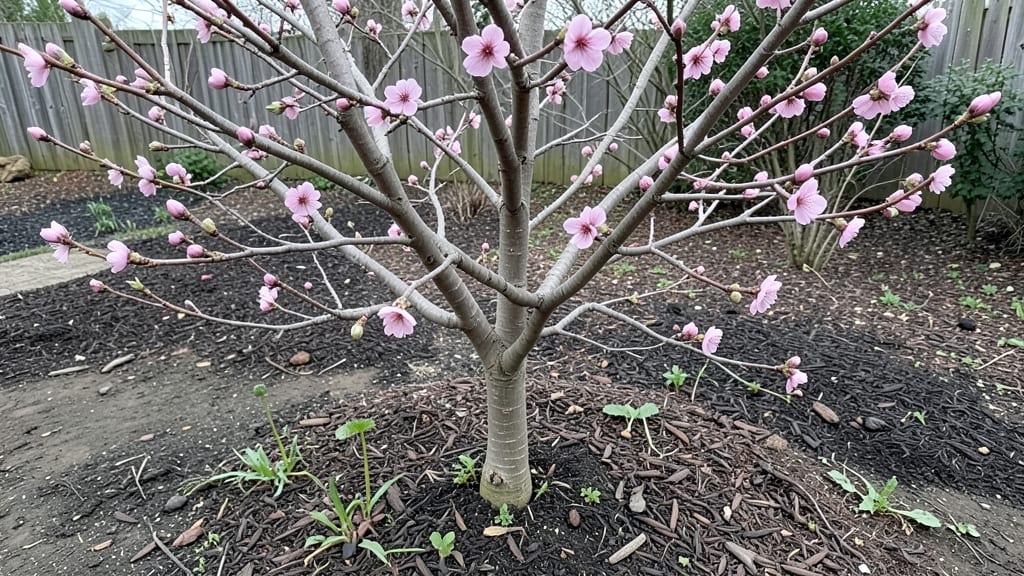
This early pink flowering peach shrub is the star of my spring garden, bursting into color when most plants are still sleeping. 🌸 The secret to its success lies in its cold-hardy nature and how it thrives with just a little attention—no fuss, no drama, just reliable blooms year after year.
I planted mine last spring, and by early April, the branches were heavy with soft pink blossoms that lasted for weeks.
The key to getting those stunning flowers starts with the right spot: full sun and well-draining soil. Most gardeners overlook soil prep, but amending with compost before planting makes all the difference—my shrub now grows in rich, slightly sandy soil that drains well after heavy rains.
Watering deeply once a week (more in summer) keeps it happy without turning the roots soggy, and pruning after blooming ensures it stays compact and productive.
By late summer, you’ll start seeing tiny peaches forming alongside the flowers—though they’re often too small to eat, they’re a bonus for pollinators. The real magic happens in spring when the branches fill with blossoms again, creating a cloud of pink that brightens even the dreariest mornings.
This shrub doesn’t just survive winter; it comes back stronger every year.
Perfect for small yards, foundation plantings, or even large containers, this variety handles heat, humidity, and cold better than most ornamental peaches. The only challenge? Resisting the urge to prune too late in the season—save that for after the flowers fade. Ready to add a splash of color that lasts?
📚 In This Guide
- What you need
- Instructions
- Tips and common mistakes
- Wrapping up and next steps
What you need
- ● Early Pink Flowering Peach Shrub: 1-2 nursery-grown plants (3–5 ft tall, Zone 5–8 hardy)
- ● Check for Prunus persica ‘Early Pink’ or similar cold-resistant cultivars
- ● Planting Site: Full sun (6+ hours/day)
- ● Well-draining soil (amend with compost if heavy clay)
- ● Space: 10–15 ft apart (or 8–10 ft for dwarf varieties)
- ○ Soil Amendments (optional but recommended): 5 lbs organic compost or aged manure per planting hole
- ● Slow-release 10-10-10 fertilizer (1 cup per plant)
- ● Garden trowel or spade
- ● Gloves (to protect from thorns!)
- ● Watering can or hose with adjustable nozzle
- ● Mulch (2–3 inches of shredded bark or pine straw)
- ● Pruning shears (for shaping after blooming)
- ● Know your USDA Hardiness Zone (Zone 5–8 ideal)
- ● Test soil pH (aim for 6.0–7.0; adjust with lime or sulfur if needed)
- ● Plan for late-winter pruning (before buds swell) to encourage vibrant blooms
Step-by-Step guide to planting and caring for early pink flowering peach shrubs
This cold-hardy variety thrives with minimal fuss—just follow these simple steps for vibrant spring blooms.
🌱 Step 1: Choose the Perfect Planting Location
Pick a spot with full sun exposure (6-8 hours daily) and well-draining soil. Early pink flowering peach shrubs tolerate cold but need protection from harsh winds. I dig a hole twice as wide as the root ball but only as deep—planting too deep suffocates roots.
Test your soil's drainage by digging a 12-inch hole and filling it with water. If it drains in under an hour, your soil is ready. If not, amend with 1 part sand to 2 parts native soil before planting. This shrub loves slightly acidic to neutral soil (pH 6.0-7.0).
🪴 Step 2: Plant with Care for Strong Root Establishment
Gently remove the shrub from its container and loosen any circling roots with your fingers. Place it in the hole so the top of the root ball sits 1 inch above ground level. This prevents water from pooling around the stem, which can cause rot.
Backfill with native soil, pressing lightly to eliminate air pockets. Water deeply to settle the soil and remove the container. Mulch around the base with 2-3 inches of organic mulch, keeping it 3 inches away from the trunk to prevent moisture buildup. This mimics natural forest conditions and keeps roots cool.
☀️ Step 3: Water and Fertilize for First-Year Growth
Water newly planted shrubs once a week for the first month, then taper to every 10-14 days once established. You'll know it's time to water when the top 2 inches of soil feel dry. Overwatering is the biggest mistake—this shrub hates soggy roots.
Apply a balanced, slow-release fertilizer (10-10-10) in early spring and again after flowering. I use about 1/2 cup per shrub spread evenly over the root zone. Avoid high-nitrogen fertilizers—they promote leafy growth at the expense of flowers. Light pruning after flowering keeps the shrub compact and encourages next year's blooms.
✂️ Step 4: Prune for Shape and Health
Prune in late winter or early spring before new growth begins. Remove any dead, diseased, or crossing branches first. Then shape the shrub by cutting back 1/3 of the oldest stems to the ground. This rejuvenates the plant and stimulates fresh growth.
For ongoing maintenance, trim back any leggy growth after flowering to maintain a rounded shape. Never prune more than 1/3 of the shrub's total volume in one season—this stresses the plant. Wear gloves when pruning, as the stems can be thorny.
🌿 Step 5: Protect and Maintain for Long-Term Beauty
In early spring, apply a 2-3 inch layer of mulch around the base to retain moisture and suppress weeds. This shrub is drought-tolerant once established, but consistent mulching keeps the roots cool and the soil healthy.
Watch for signs of stress—yellowing leaves often mean overwatering, while brown edges indicate underwatering. Early pink flowering peach shrubs are generally low-maintenance, but a light application of iron sulfate in early spring prevents chlorosis in alkaline soils. With proper care, you'll enjoy vibrant pink blooms for years to come.
Tips & tricks for perfect early pink flowering peach shrubs
These simple yet powerful strategies will help you coax the most stunning blooms from your cold-hardy peach shrub—without the guesswork.
The Sunlight Secret: That 6-8 hours of full sun in Step 1 isn't just about light—it's about timing. The most critical window is between 10 AM and 2 PM when the sun is strongest. If your yard has afternoon shade, position the shrub to catch morning sun instead. I've seen shrubs placed in partial shade produce half as many blooms because they miss this peak energy period.
Root Ball Placement: The 1-inch elevation above ground level in Step 2 might seem minor, but it's a game-changer. Too low, and water pools around the stem causing rot; too high, and roots dry out. I use a small rock or mound of soil to create that perfect elevation if my hole isn't deep enough. Think of it as creating a natural drainage channel for the roots.
Watering Wisdom: The "top 2 inches dry" test in Step 3 works, but here's what nobody tells you—stick your finger in the soil at different spots around the shrub. Early pink flowering peach shrubs have shallow roots that spread wide, so moisture can vary dramatically. If one side feels dry while another is damp, you're overwatering in some areas. Water slowly until it runs out the bottom of the hole, then stop.
Pruning Pro Tip: When you cut back 1/3 of the oldest stems in Step 4, focus on the thickest, woody branches first. These are the ones that have stopped producing vibrant blooms and are just taking energy from new growth. I like to prune on a dry day when the shrub is dormant—this reduces stress and gives you a clear view of the structure. Save the leggy growth for after flowering when you can shape the shrub while it's still in bloom.
Pro Tips for Early Pink Flowering Peach
- These simple yet powerful strategies will help you coax the most stunning blooms from your cold-hardy peach shrub—without the guesswork.
- The Sunlight Secret: That 6-8 hours of full sun in Step 1 isn't just about light—it's about timing.
- Root Ball Placement: The 1-inch elevation above ground level in Step 2 might seem minor, but it's a game-changer.
Frequently asked questions
Got questions about growing early pink flowering peach shrubs? You’re not alone! Here are some of the most common queries—and their answers—to help you get the most vibrant blooms possible.
When do early pink flowering peach shrubs bloom?
These shrubs typically bloom very early in spring, often between late February and early April, depending on your climate zone. Their early timing makes them a standout choice for adding color before most other spring bloomers wake up. Pro tip: Plant them in a sunny spot to encourage the earliest possible flowers!
Are early pink flowering peach shrubs truly cold-hardy?
Yes! Most varieties are zoned for USDA hardiness zones 5-9, meaning they can handle winter temps down to -20°F (-29°C). However, young plants may need winter mulch for extra protection. Watch for: late spring frosts, which can damage tender new growth.
How fast do these shrubs grow, and how large do they get?
Early pink flowering peach shrubs grow at a moderate pace, adding about 12-18 inches per year. At maturity, they typically reach 6-10 feet tall and wide, making them ideal for hedges, borders, or standalone focal points. Prune in late winter to shape them and encourage more blooms!
Do these shrubs attract pollinators like bees and butterflies?
Their bright pink flowers are a magnet for bees, butterflies, and hummingbirds, making them a fantastic addition to pollinator-friendly gardens. Plus, their early blooms provide vital nectar when other plants are still dormant.
What pests or diseases should I watch for?
While generally low-maintenance, these shrubs can attract aphids, spider mites, or peach leaf curl fungus. To prevent issues:
- Space plants for airflow (avoid overcrowding).
- Apply copper fungicide in late fall if peach leaf curl is common in your area.
- Hose off pests with water early in the day.
Wrapping up and next steps
Growing an early pink flowering peach shrub is a fantastic way to welcome spring with vibrant color and minimal fuss—especially in colder climates! 🌸 These cold-hardy varieties thrive with the right care, offering years of stunning blooms and even delicious fruit (if you're lucky).
Whether you're a seasoned gardener or just starting, this shrub is a rewarding addition to any landscape.
Ready to transform your garden? Start by selecting the perfect spot—sunny, well-drained soil is key—and plant your shrub this fall or early spring. With a little patience and love, you’ll soon enjoy a burst of pink that brightens up every season!