
Shrubs
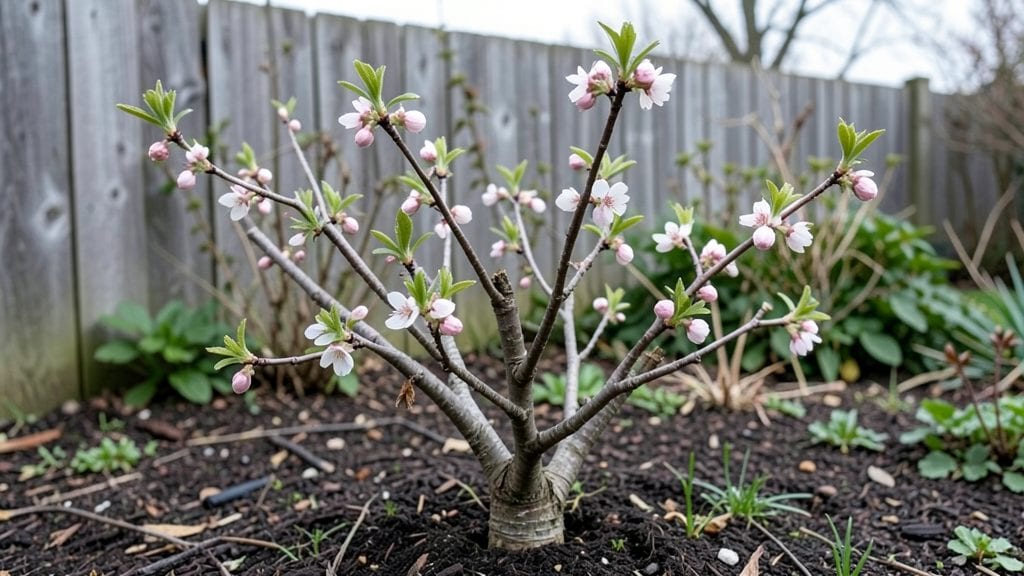
The dwarf flowering almond’s intoxicating scent arrives before spring even thinks about showing up. 🌸 I’ve grown these delicate trees for five years, and their fragrant blooms transform any yard into a fragrant paradise—without taking up acres of space.
The key to their success lies in understanding their soil, sunlight, and pruning needs, which I’ll break down so you can enjoy that signature almond perfume year after year.
These trees thrive in well-draining soil with a touch of grit—think sandy loam or amended garden beds with perlite. They demand full sun, at least six hours daily, and a spot sheltered from harsh winds.
Planting is simple: dig a hole twice as wide as the root ball, add a handful of bone meal for early blooms, and water deeply. Watering schedules shift with seasons, but consistency is critical—drought stress sends buds into hibernation early.
Pruning precision is where the magic happens. After blooms fade, trim spent branches to encourage fresh growth, and shape the tree to prevent overcrowding. In late winter, prune again to remove dead wood and open the center for airflow.
With the right care, your dwarf almond will reward you with three weeks of fragrance that outshines any store-bought potpourri. The blooms even attract bees early in the season, giving your garden a head start on pollination.
They’re frost-sensitive in early spring, so protect young trees with frost cloth until temperatures stabilize. Container growing works too—just choose a pot with drainage and move it indoors if nighttime temps drop below 20°F. The payoff?
A tree that feels like a living perfume bottle, with minimal effort once established. Let’s get yours growing!
📚 In This Guide
- What you need
- Instructions
- Tips and common mistakes
- Wrapping up and next steps
What you need
- ● Dwarf flowering almond tree (Prunus glandulosa) – Choose a grafted variety (4–6 ft tall at maturity) from a reputable nursery.
- ● Well-draining potting mix – 5–10 gallons (for container) or native soil amended with compost (for in-ground planting).
- ○ Container (optional but recommended) – 15–25 gallon pot with drainage holes (if growing in a pot).
- ● Organic fertilizer – Slow-release granular (10-10-10 or 8-3-9) or liquid bloom booster (like fish emulsion).
- ● Mulch – 2–3 inches of wood chips or pine straw to retain moisture and regulate soil temp.
- ● Pruning shears – Sharp, bypass-style (for clean cuts).
- ● Gloves – Heavy-duty to protect from thorns.
- ● Watering can or hose with nozzle – For deep, consistent watering.
- ● Sunlight access – Full sun (6+ hours/day)—partial shade may limit blooms.
- ○ pH test kit (optional) – Ideal soil pH: 6.0–7.0 (slightly acidic to neutral).
- ● 🌡️ Chill hours: Dwarf almonds need 300–500 hours below 45°F (7°C) to bloom. Use a cold frame or indoor grow lights if your climate is too warm.
- ● ✨ Pruning timing: Trim late winter/early spring (before buds swell) to encourage dense, fragrant blooms.
Step-by-Step instructions for planting and pruning a dwarf flowering almond tree
Here’s how to establish your fragrant tree with minimal fuss—pruning is the secret to keeping it compact and blooming beautifully.
🪴 Step 1: Select and Prepare the Planting Site
Choose a spot with full sun exposure (6-8 hours daily) and well-draining soil. Dwarf flowering almonds tolerate a range of soil types but hate soggy roots, so amend heavy clay with 2-3 inches of compost mixed into the top 12 inches of soil. Dig a hole twice as wide as the root ball but only as deep—planting too deeply suffocates the roots.
Gently loosen the root ball if it’s tightly packed, then place the tree in the hole so the top of the root ball sits 1 inch above ground level. This prevents water from pooling around the trunk. Backfill with native soil, pressing lightly to remove air pockets but not compacting too firmly.
💧 Step 2: Water Deeply and Mulch for Retention
Water the tree immediately after planting with 2 gallons of water, letting it soak into the soil. You’ll know it’s enough when water runs out the drainage holes if planted in a container. For in-ground planting, water until the soil 6 inches down is thoroughly moist. This helps roots establish quickly.
Spread 2-3 inches of mulch around the base, keeping it 3 inches away from the trunk to prevent rot. Use organic mulch like wood chips or bark—it breaks down slowly and improves soil structure over time. Replenish mulch annually to maintain moisture and suppress weeds.
✂️ Step 3: Prune for Structure and Airflow
Prune your dwarf flowering almond in late winter or early spring, just before new growth begins. Remove any dead, crossing, or inward-growing branches first—these compete for energy and block airflow, which invites disease. Cut back to a healthy bud or branch collar, making clean cuts at a 45-degree angle just above an outward-facing bud.
Shape the tree by thinning out 20-30% of the branches to open the center. This encourages better blooming and prevents the tree from becoming too dense. Avoid heavy pruning in the first year—focus on removing only what’s necessary to establish a balanced structure. You’ll see stronger growth and more flowers in the following season.
☀️ Step 4: Maintain Through the Growing Season
Water deeply once a week during the first growing season, increasing to twice a week in extreme heat. Dwarf flowering almonds are drought-tolerant once established, but young trees need consistent moisture. Check soil moisture by sticking your finger 2 inches down—water when it feels dry. Overwatering is worse than underwatering for these trees.
Fertilize lightly in early spring with a balanced, slow-release fertilizer (10-10-10). Apply only what’s recommended on the package—too much nitrogen promotes leafy growth at the expense of flowers. Monitor for pests like aphids or spider mites, which thrive in dry conditions. A strong spray of water usually removes them, but neem oil works if they persist.
⏰ Step 5: Winter Care for Next Year’s Blooms
In late fall, reduce watering as temperatures drop, but don’t let the soil dry out completely. Dwarf flowering almonds are cold-hardy but benefit from a 3-inch layer of mulch around the base to insulate roots. Prune again in late winter to remove any dead wood or weak growth before the new season begins.
Watch for early signs of bud swell in late winter—this is your cue that the tree is waking up. At this stage, you can apply a light fertilizer to encourage robust flowering. With proper care, your dwarf flowering almond will reward you with fragrant blooms year after year, even in small spaces.
Tips & tricks for perfect dwarf flowering almond care
Your dwarf flowering almond’s success hinges on these simple but game-changing details—trust me, I’ve seen the difference between a thriving tree and one that struggles.
Sunlight Strategy: While the instructions call for 6-8 hours of full sun daily, here’s the thing: morning sun is more important than afternoon heat. Position your tree to catch those gentle morning rays first—this helps prevent leaf scorch during peak afternoon sun. If you notice leaves turning yellow, it’s usually a sign of too much direct afternoon sun.
Pruning Precision: When you’re thinning out 20-30% of branches in Step 3, focus on creating an open center that lets light and air circulate. I always look for branches that cross or grow inward—they’re the first to go. Use sharp pruners to make clean cuts at a 45-degree angle just above an outward-facing bud. This technique prevents disease and encourages healthier regrowth.
Watering Wisdom: The 2 gallons of water in Step 2 should soak deeply—think of it as giving your tree a long drink rather than a quick sip. For container-grown trees, let water run out the drainage holes completely. For in-ground planting, check soil moisture 6 inches down; if it’s dry, you need more water. Overwatering is the silent killer of these trees, so always let the top 2 inches dry out between waterings.
Mulch Mastery: That 2-3 inch layer of mulch in Step 2 isn’t just for looks—it’s a moisture regulator and temperature stabilizer. I always use wood chips because they break down slowly and improve soil structure over time. Keep it 3 inches away from the trunk to prevent rot, and replenish it annually. This simple step can cut your watering needs in half during hot summers.
Pro Tips for Dwarf Flowering Almond
- Your dwarf flowering almond’s success hinges on these simple but game-changing details—trust me, I’ve seen the difference between a thriving tree and one that struggles.
- Sunlight Strategy: While the instructions call for 6-8 hours of full sun daily, here’s the thing: morning sun is more important than afternoon heat.
- Pruning Precision: When you’re thinning out 20-30% of branches in Step 3, focus on creating an open center that lets light and air circulate.
Frequently asked questions
Got questions about your dwarf flowering almond tree?
Here are some of the most common ones—plus quick, practical answers to keep your fragrant beauty thriving year-round.
How often should I prune my dwarf flowering almond?
Prune your dwarf flowering almond once a year, ideally in late winter or early spring (before buds swell). Light shaping trims can happen after flowering to maintain form. Avoid heavy pruning—these trees bloom on old wood, so aggressive cuts may reduce blooms. Pro tip: Use sterilized tools to prevent disease!
Is my dwarf flowering almond cold-hardy?
Yes! Most varieties handle USDA Zones 6-9, meaning they tolerate winters down to around 0°F (-18°C). Young trees may need winter protection (like burlap wraps) in colder zones. Mulch the base for extra insulation. Watch for: Frost damage on new growth—trim dead branches in spring.
Why aren’t my flowers as fragrant as last year?
Several factors can dull fragrance: over-fertilizing (especially with nitrogen), poor air circulation, or stress from drought/soggy soil. Try this: Reduce fertilizer to half-strength in spring, and ensure 6+ hours of sunlight. Bonus: Prune to open the canopy for better airflow!
Can I grow a dwarf flowering almond in a container?
Choose a 15-20 gallon pot with drainage holes and well-draining soil. Repot every 2-3 years and move containers indoors (to a bright, cool spot) if temps dip below 20°F (-7°C). Key: Use a slow-release fertilizer to avoid overfeeding in small spaces.
What pests should I watch for on my dwarf flowering almond?
Keep an eye out for aphids, scale insects, and spider mites—they love tender new growth. Solution: Spray with neem oil or insecticidal soap early in the season. Preventative tip: Encourage ladybugs (natural predators) by planting nearby herbs like dill or fennel!
Wrapping up and next steps
The dwarf flowering almond tree is a fragrant, low-maintenance gem that brings beauty and joy to any garden—whether you’re a seasoned gardener or just starting out. 🌸 With its pruning precision and year-round appeal, it’s the perfect way to elevate your outdoor space with minimal effort.
Ready to transform your yard? Grab your tools, pick your spot, and watch this stunning shrub thrive!
Your next step? Plant one today—and enjoy the sweet rewards of a blooming, fragrant oasis! 🌿