
Blooming
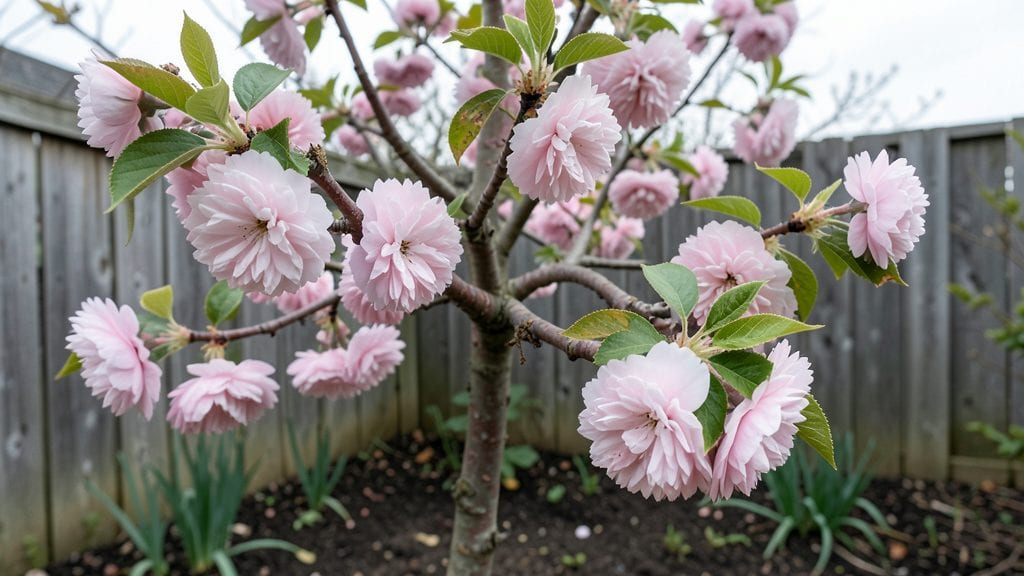
Double flowering peach trees are the showstoppers of any landscape—imagine a tree covered in blossoms from early spring through fall. 🌸 I planted mine three years ago after seeing one in a neighbor’s yard, and now I can’t imagine my garden without their relentless beauty.
The key isn’t just picking the right variety; it’s understanding how to prune them to keep those blooms coming back thicker and more vibrant every season.
These trees thrive in full sun and well-draining soil, but the real magic happens in late winter when you prune back the previous year’s growth. Most people avoid heavy pruning on fruit trees, but double flowering peaches actually need it—cutting back the oldest wood forces fresh, flowering branches to grow.
Start with clean, sharp pruners and remove any dead or crossing branches first. Then, open up the center of the tree to let light and air circulate, which prevents disease and encourages more blooms.
By midsummer, you’ll see clusters of blossoms forming along the new growth, and with proper care, they’ll keep flowering until frost. The branches become heavier with blooms, so stake young trees if needed. The trade-off?
You won’t get peaches—these are purely ornamental—but the trade-off is worth it for the nonstop color. Even in my zone 7 garden, they’ve given me three seasons of blooms where other trees gave up after spring.
Here’s the best part: once you master the pruning rhythm, these trees become low-maintenance workhorses. They handle drought better than most fruit trees, and their resistance to common peach diseases makes them a breeze compared to traditional varieties.
The only real challenge is keeping squirrels from nibbling the buds—but that’s a problem I’m happy to have. Ready to turn your yard into a floral masterpiece?
📚 In This Guide
- What you need
- Instructions
- Tips and common mistakes
- Wrapping up and next steps
What you need
- ● Double flowering peach tree: 1–2 dwarf or standard varieties (e.g., 'Bonanza,' 'Redhaven,' or 'Elberta' double-flowering grafted types)
- ● Age: 1–3 years old (younger trees adapt faster to pruning)
- ● Planting supplies: 1 5–10 gallon high-quality potting mix (or native soil amended with compost)
- ● 1 slow-release fertilizer (10-10-10 or organic option like fish emulsion)
- ● 1 mulch (3–4 inches of wood chips or straw)
- ● Pruning tools: 1 pair bypass pruners (for clean cuts on 1/4"–1" branches)
- ● 1 pruning saw (for thicker branches 1"–2")
- ● 1 disinfectant (rubbing alcohol or bleach solution for tools)
- ○ Safety gear (optional but recommended):strong> 1 pair gloves (cut-resistant for thick branches)
- ● 1 safety glasses (to protect from debris)
- ● 1 tree support stake (for young or top-heavy trees)
- ● 1 tree tie (soft fabric or rubber straps)
- ● 1 spray bottle (for watering small cuts post-pruning)
- ● 1 flowering fertilizer (e.g., Miracle-Gro Bloom Booster for extra blooms)
- ● 1 weatherproof marker (to label varieties if testing multiple types)
Step-by-Step pruning guide for double flowering peach trees
Here's how I keep my double flowering peach trees blooming nonstop—no fancy tools, just smart cuts.
✂️ Step 1: Time Your First Pruning for Late Winter
Wait until after the last frost but before buds swell—typically February or early March in most climates. This timing ensures you're not cutting into next year's growth while still removing winter-damaged wood. I look for dormant branches that look shriveled or dead; these are the first to go.
Use clean, sharp pruners to make cuts just outside the branch collar—the swollen area where the branch meets the trunk. Avoid leaving stubs, as they invite disease. If a branch is thicker than your wrist, use a pruning saw instead. This first cut opens the tree's canopy to let light reach inner branches, which encourages more blooms.
🌿 Step 2: Remove Suckers and Water Sprouts
After the main pruning, hunt for suckers—those vigorous shoots growing from the base of the tree or along the trunk. These steal energy from flowering branches. Grab them at the base with your fingers and pull firmly; they usually come out easily. If they're too tough, cut them off with pruners just below the soil line.
Next, check for water sprouts—straight, fast-growing shoots pointing skyward. These rarely flower and create a messy look. Snip them off at their base, but leave any small side branches that might develop into future blooming stems. This step keeps your tree's energy focused on producing those stunning double flowers.
☀️ Step 3: Thin the Canopy for Better Airflow
Step back and look at your tree. You want an open, vase-like shape with light penetrating to the center. Remove any crossing branches that rub together—they'll create wounds where disease can enter. Also cut out branches growing inward at sharp angles; these often break in storms and block sunlight from reaching inner blooms.
I aim to keep the lowest branches about 3-4 feet off the ground to make harvesting easier. If a branch is too crowded, thin it out by removing the smallest stems first. Never remove more than 25% of the tree's foliage in one season—this could stress the tree and reduce flowering. Watch for new shoots forming at the base; these will be next year's flowering candidates.
⏰ Step 4: Summer Light Pruning for Shape and Health
About 6-8 weeks after the first bloom, do a quick check for any branches that look overcrowded or diseased. Remove any branches that have blackened spots or peeling bark—these are signs of fungal issues. Also trim any branches that grew too vigorously after your winter pruning; these often have fewer flowers.
This light summer pruning keeps your tree looking neat and prevents branches from becoming too heavy with fruit (which can reduce flowering). I like to prune on a dry morning when the tree is well-watered. Avoid pruning after mid-August—new growth won't harden off before winter, and it's more susceptible to frost damage.
✂️ Step 5: Final Cleanup Before Dormancy
In late fall, do one last pass to remove any dead or diseased branches. This is also when I clean up all fallen leaves and debris from under the tree—peach trees are prone to fungal diseases like brown rot, and keeping the area clean reduces risks. Sterilize your pruners with rubbing alcohol between cuts if you're working with infected branches.
Finally, give your tree a deep watering before the first hard frost. This helps it establish roots for next year's growth. I mark my calendar to prune again in late winter, and the cycle continues. With this approach, my double flowering peach trees burst into bloom year after year without fail.
Tips & tricks for perfect double flowering peach trees
Here's what I've learned after years of nurturing these stunning trees—these tricks make all the difference between a few scattered blooms and a spectacular floral display.
Timing is Everything: I can't stress enough how critical the February-March window is for Step 1. If you prune too early, you risk cutting off next year's flower buds that are already forming. If you wait too late, the tree will have started growing and may bleed sap excessively. Check your local frost dates and mark your calendar—this is the single most important factor for year-round blooms.
Branch Collar Technique: When making cuts in Step 1, focus on the branch collar—the swollen area where the branch meets the trunk. Cut just outside this collar, never inside it. This is where the tree's protective layers are located, and cutting here prevents disease from entering the wound. I've seen many gardeners make this mistake and end up with infected branches that never recover.
Sucker and Sprout Strategy: In Step 2, don't just remove suckers and water sprouts—think about their purpose. Suckers growing from the base often indicate the tree is trying to replace lost roots. If you see multiple suckers, it might be time to check your tree's overall health. For water sprouts, look for small side branches that might become future flowering stems—leave these behind. This selective approach keeps your tree healthy while maintaining that perfect flowering shape.
Seasonal Calendar: Create a simple pruning calendar based on the four key steps. In Step 4, that 6-8 week window after first bloom is crucial—set reminders on your phone. For Step 5, schedule your late fall cleanup right after your first hard frost date. I keep mine marked in my gardening journal with the exact dates I used the previous year, adjusted for local climate patterns. This consistency is what leads to those spectacular double blooms year after year.
Pro Tips for Double Flowering Peach
- Here's what I've learned after years of nurturing these stunning trees—these tricks make all the difference between a few scattered blooms and a spectacular floral display.
- Timing is Everything: I can't stress enough how critical the February-March window is for Step 1.
- Branch Collar Technique: When making cuts in Step 1, focus on the branch collar—the swollen area where the branch meets the trunk.
Frequently asked questions
Got questions about growing double flowering peach trees? You’re not alone! Here are answers to the most common queries to help you master year-round blooms like a pro.
What’s the best time to prune double flowering peach trees for maximum blooms?
Prune after the second flush of blooms (late spring/early summer) and again lightly in winter (dormant season). Avoid heavy pruning in fall—it can stress the tree and reduce next year’s flowers. Focus on removing dead wood and shaping for airflow. Pro tip: Use sharp, sterilized tools to prevent disease!
Can double flowering peaches produce fruit, or are they purely ornamental?
While they’re prized for their stunning double blooms, most double flowering peaches are sterile and won’t yield fruit. If you want fruit and flowers, opt for a semi-double flowering peach variety (like ‘Redhaven’ or ‘Elberta’). For pure show, embrace their ornamental magic—just enjoy the petals!
How cold-hardy are double flowering peach trees, and do they need winter protection?
Most double flowering peaches thrive in USDA Zones 5–9, but young trees or harsh winters (below 0°F) may need protection. Wrap the trunk with burlap or use tree guards. Mulch the base with 3–4 inches of organic matter (like wood chips) to insulate roots. Pro tip: Avoid heavy mulch piles against the trunk to prevent rot!
What should I do if my double flowering peach tree isn’t blooming as expected?
Check these fixes:
- Sunlight: Ensure 6+ hours of full sun daily—partial shade reduces blooms.
- Watering: Keep soil consistently moist (not soggy) during growing seasons.
- Pruning: Over-pruning can stress the tree. Stick to 20–30% of branches max per session.
- Fertilizer: Use a balanced 10-10-10 fertilizer in early spring.
Are there dwarf varieties of double flowering peach trees for small gardens?
Yes! Dwarf varieties like ‘Bonanza’ or ‘Fay Elberta’ (semi-double) stay under 8–12 feet tall, perfect for containers or tight spaces. They require the same care as standard trees but offer easier maintenance. Pair with a trellis or espalier for a vertical garden vibe!
Wrapping up and next steps
Transforming your double flowering peach tree into a year-round spectacle is well within your reach! With the right pruning techniques, patience, and a dash of creativity, you’ll enjoy stunning blooms that turn heads—and maybe even inspire your neighbors to try their hand at it too. 🌸
Ready to take the next step? Start by observing your tree’s growth and experimenting with pruning schedules to find what works best for your climate. Before you know it, your garden will be the talk of the town—and your tree, the star of the show!