
Shrubs
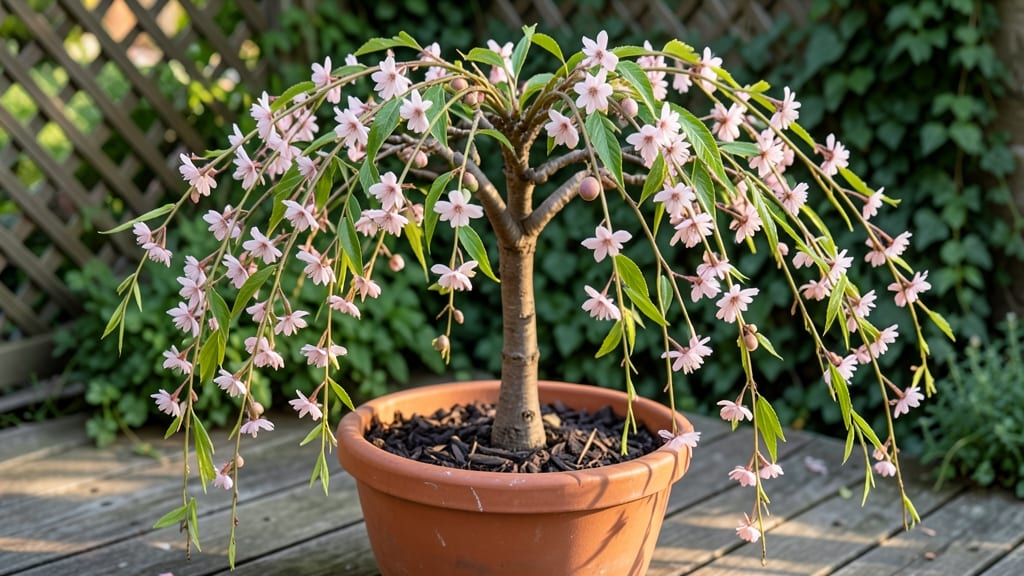
A weeping flowering peach tree turns your yard into a springtime dream with cascading blossoms that look like pink clouds. 🌸 I planted mine three years ago, and every March, the branches sag under the weight of delicate flowers—until the bees arrive and the petals drift like snow.
The secret isn’t just choosing the right spot; it’s the pruning schedule that keeps those branches graceful and the blooms abundant.
These trees thrive in full sun and well-draining soil, but they’re fussier than they look. Too much clay or soggy roots mean fewer flowers, so amend your soil with compost before planting. Water deeply once a week after establishment, but avoid wet feet—drainage is everything.
The weeping habit makes them perfect for small yards or as a focal point near patios, where you can admire the blossoms up close.
With proper pruning in late winter, you’ll get three to four weeks of nonstop blooms, followed by occasional fruit that’s more decorative than edible. The branches stay lush all season, and in fall, the foliage turns a soft gold before dropping.
Just watch for peach leaf curl—spray with copper fungicide in early spring to keep the leaves healthy and the flowers coming back year after year.
They’re not cold-hardy like some ornamentals, so protect young trees from late frosts with burlap wraps. Once established, they’ll reward you with decades of blooms—if you give them the right care. Here’s how to keep yours thriving without the guesswork.
📚 In This Guide
- What you need
- Instructions
- Tips and common mistakes
- Wrapping up and next steps
What you need
- ● Weeping flowering peach tree (Prunus persica 'Weeping') – Choose a 1-3 year old sapling from a trusted nursery.
- ● Well-draining soil mix – 50% native soil, 30% compost, and 20% perlite or sand (pH 6.0–7.0).
- ● Pot or planting site – Container: 15–20 gallon pot with drainage holes. Outdoor: Full sun location (6+ hours/day) with space for 10–15 ft spread.
- ● Organic mulch – 2–3 inches of wood chips or straw to retain moisture and regulate temperature.
- ● Pruning tools – Sharp bypass pruners (for branches <1/2 inch thick) and loppers (for thicker branches).
- ● Fertilizer – Balanced 10-10-10 or citrus-specific fertilizer (spring and early summer).
- ● Watering can or hose with gentle spray nozzle – For deep, infrequent watering.
- ● Grafting tape or wound dressing – To seal pruning cuts and prevent disease.
- ● Soil moisture meter – Ensures optimal hydration without overwatering.
- ● Slow-release fertilizer pellets – Reduces maintenance for busy gardeners.
- ● Tree support stake (temporary) – Useful for young trees in windy areas.
- ● Pest control (neem oil or insecticidal soap) – For aphids or scale prevention.
- ● Gloves & long sleeves – Protects against thorns and sap irritation.
Step-by-Step instructions for pruning a weeping flowering peach tree
Mastering pruning transforms your weeping peach into a year-round blooming star. Here’s how to shape it beautifully while keeping it healthy.
✂️ Step 1: Prune in Late Winter Before Bud Break
Time your first cut between late January and early February, when the tree is still dormant but the ground isn’t frozen. This timing ensures you remove dead wood while leaving healthy buds intact for spring blooms. Grab your pruning shears and sterilizing solution—clean tools prevent disease spread.
Start by removing any dead, diseased, or crossing branches first. These are easy to spot—they’re brown, brittle, or growing inward. Cut just above a bud or outward-facing branch to encourage proper growth. I always prune at a 45-degree angle to prevent water pooling on the wound.
🌿 Step 2: Thin Out Overcrowded Branches for Airflow
Weeping peaches need good airflow to prevent fungal issues. Look for branches that rub against each other or grow too densely. Remove one in three branches in each cluster, starting with the smallest or weakest. This opens up the canopy so sunlight reaches inner blooms.
If a branch is too thick to cut with shears, use your pruning saw—but only if absolutely necessary. Avoid leaving stubs; always cut back to a bud or lateral branch. You’ll see the tree’s natural shape emerge as you work, with a graceful weeping silhouette.
☀️ Step 3: Shape for Balance and Bloom Exposure
Now focus on light penetration. Trim back any branches that block sunlight from reaching the center of the tree. Aim to keep the outer edges open while maintaining the weeping form. If a branch grows upright instead of cascading, cut it back to encourage more horizontal growth.
Step back often to check your progress. The goal is a harmonious, balanced shape where blooms aren’t hidden. Weeping peaches naturally grow downward, so prune lightly on the lower branches to preserve their elegant drape. Never remove more than 25% of the tree’s foliage in one session.
⏰ Step 4: Post-Bloom Pruning for Summer Growth
After the spring blooms fade, do a light maintenance prune in early summer. Remove any deadheading flowers (spent blooms) to redirect energy to new growth. If you notice suckers (shoots growing from the base), trim them immediately—they drain the tree’s resources.
This is also the time to thin out overly dense areas. Look for branches with too many leaves blocking light. A quick snip here and there keeps the tree lush without overpowering its natural form. Water deeply after pruning to help the tree recover.
✂️ Step 5: Light Winter Pruning to Refine Shape
In late fall, do a final light prune to remove any weak or crossing branches that might have appeared over the summer. This keeps the tree tidy before winter dormancy. Avoid heavy pruning now—you want the tree to enter winter strong.
Clean your tools again with the sterilizing solution to prevent winter diseases. Store them in a dry place until next season. Your weeping peach will reward you with vibrant blooms year after year if you stick to this schedule.
Tips & tricks for pruning a weeping flowering peach tree
Here's what I learned after years of shaping my own weeping peach—and how to avoid the mistakes I made early on.
Tool Prep Matters: Always sterilize your pruning shears and saw with a solution of 1 part bleach to 9 parts water before and after each use. I learned this the hard way when my tree developed fungal spots from contaminated tools. Wipe blades dry immediately after cleaning to prevent rust. During Step 1 and Step 5, this extra step prevents disease spread that could ruin your tree's health.
Visual Cues for Pruning: In Step 2, look for branches that are rubbing against each other—they'll often have small calluses where they touch. These are prime candidates for removal. For the "one in three" branches rule, imagine dividing the cluster into thirds and removing the smallest branch in each section. This creates that perfect weeping silhouette without over-pruning.
Seasonal Timing Secrets: The late January to early February window in Step 1 is crucial because it's when the tree's sap flow is lowest. If you prune too early, you risk frost damage to fresh cuts. For Step 4's early summer pruning, aim for just after the last frost date in your area—this gives new growth time to harden off before winter. I always check my local frost calendar before scheduling summer maintenance.
Pruning Angle Technique: When making cuts in Step 1, visualize a 45-degree angle that slopes away from the bud you're keeping. This creates a natural water-shedding surface that prevents water from pooling and causing rot. For thicker branches, make the cut just outside the branch collar—the swollen area at the base of the branch where it meets the trunk. This helps the tree heal more quickly and reduces the risk of disease entry points.
Pro Tips for Weeping Flowering Peach
- Here's what I learned after years of shaping my own weeping peach—and how to avoid the mistakes I made early on.
- Tool Prep Matters: Always sterilize your pruning shears and saw with a solution of 1 part bleach to 9 parts water before and after each use.
- Visual Cues for Pruning: In Step 2, look for branches that are rubbing against each other—they'll often have small calluses where they touch.
Frequently asked questions
Got questions about growing and maintaining a stunning weeping flowering peach? Here are some of the most common ones—plus expert answers to help you keep your tree thriving!
When is the best time to plant a weeping flowering peach tree?
The ideal time to plant is late winter or early spring (before new growth begins), when the soil is workable but not frozen. This gives roots time to establish before summer heat. If you must plant in fall, do so at least 6–8 weeks before the first frost to avoid winter stress.
How often should I prune my weeping flowering peach for maximum blooms?
Prune once a year in late winter or early spring (just before buds swell) to shape the tree and encourage blooms. Avoid heavy pruning in fall—it can stimulate late-season growth vulnerable to frost. Focus on removing dead, crossing, or overcrowded branches while maintaining its graceful weeping form.
Why aren’t my weeping flowering peach blooms lasting long?
Short-lived blooms are often due to hot weather or lack of moisture. These trees thrive in cooler climates (USDA Zones 5–8). Water deeply 2–3 times per week during bloom season, and avoid planting in full, scorching sun without afternoon shade. Mulch the base to retain moisture and cool roots.
Are weeping flowering peaches edible? What if I see fruit?
While the tree produces small, bitter peaches, they’re not recommended for eating—they’re primarily ornamental. If you spot fruit, it means your tree is healthy! However, remove fruit promptly to redirect energy to blooms and foliage. Thin out excess fruit to prevent branch stress.
How do I protect my tree from pests like aphids or peach leaf curl?
Prevent pests with regular inspections and neem oil sprays (early spring/fall). For peach leaf curl (a fungal disease), apply a copper fungicide in late fall or early winter when buds are dormant. Keep the area clean of fallen leaves and ensure good airflow by pruning properly.
Can I grow a weeping flowering peach in a container?
Yes! Choose a large pot (at least 20+ gallons) with drainage holes and use well-draining soil. Repot every 2–3 years and move containers to partial shade in summer to prevent heat stress. Dwarf varieties (like ‘Bonanza’) are best for containers—just ensure it gets 6+ hours of sunlight daily.
Wrapping up and next steps
The weeping flowering peach tree is a stunning addition to any garden, offering year-round beauty with its delicate blooms and graceful form. By mastering pruning techniques, you’ll ensure vibrant flowers, healthy growth, and minimal pests—turning your outdoor space into a serene, picturesque retreat. 🌸
Ready to transform your garden? Start by observing your tree’s growth and applying the pruning tips shared here. With patience and care, your weeping flowering peach will thrive, rewarding you with seasonal splendor for years to come!