
Pruning
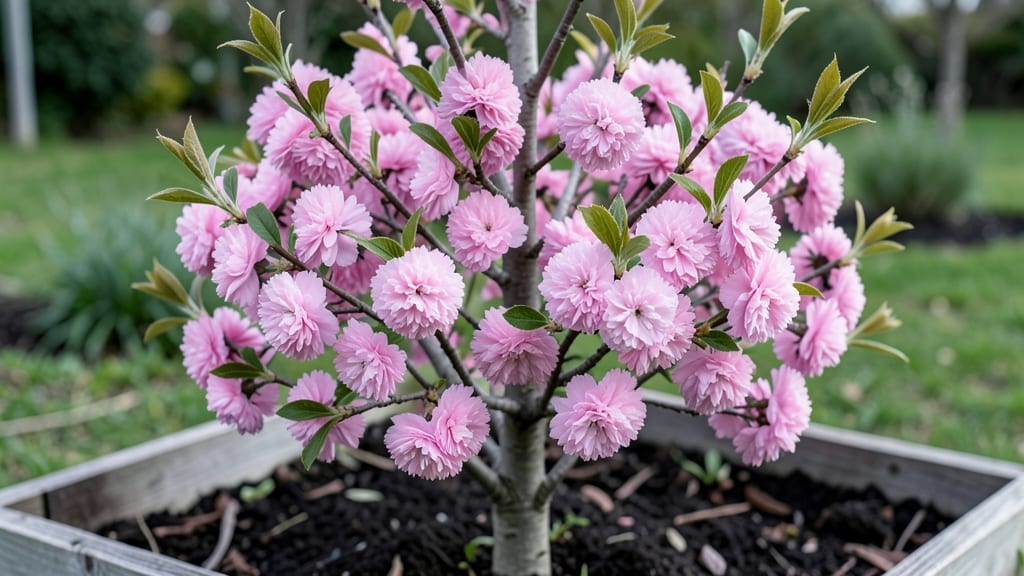
A double flowering almond tree transforms your yard into a fragrant cloud of pink and white every spring—without the messy fruit. 🌸 I’ve grown these showstoppers for years, and the secret to their nonstop blooms lies in smart pruning and understanding their unique needs.
Most people treat them like regular almond trees, but double-flowering varieties need a lighter touch to keep producing those dramatic, repeat-flowering displays.
The key starts with the right spot: 6+ hours of sun, well-draining soil, and protection from harsh winds. My tree thrives in USDA Zones 6-9, and I’ve seen it handle drought once established—just don’t skimp on water the first year.
The pruning schedule is what turns a pretty tree into a year-round spectacle: late winter for structure, and light trims after each bloom cycle to encourage more flowers. No need for heavy cuts—these trees bloom on old and new wood, so you’re not gambling with next year’s flowers.
By summer, you’ll have a tree covered in delicate blossoms that smell like almond candy, with minimal fruit (if any) to clean up. The branches stay lush and the blooms come in waves, starting in early spring and sometimes reblooming in fall.
Neighbors will ask how you do it—here’s the trick: prune for air circulation, avoid over-fertilizing with nitrogen, and watch for peach leaf curl (the one disease that can ruin the show).
Works beautifully as a focal point in any yard, from small urban gardens to rural landscapes. Whether you’re planting bare-root in winter or a container-grown tree in spring, the principles stay the same. Let’s get yours blooming like a dream—without the almond pits.
📚 In This Guide
- What you need
- Instructions
- Tips and common mistakes
- Wrapping up and next steps
What you need
- ● Double flowering almond tree (Prunus glandulosa 'Sinensis' or similar) – 1 mature tree (3–5 years old) or a young sapling (1–2 years old) for planting.
- ● Pruning shears – Bypass-style (for clean cuts), sharp and sterilized (rubbing alcohol or bleach solution).
- ● Loppers – For thicker branches (up to 2 inches in diameter).
- ● Hand pruners – Anvil-style (for smaller branches, but avoid crushing).
- ● Pruning saw – Only if needed for stubborn, thick branches (avoid if possible).
- ● Gloves – Garden-grade, cut-resistant (thorns on almond trees can be sneaky!).
- ● Disinfectant (70% isopropyl alcohol or 10% bleach solution) – To sterilize tools between cuts and prevent disease.
- ○ Sealing wax or pruning paint – Optional but helpful for large cuts (1-inch diameter or wider) to protect the tree.
- ● Rake or broom – To clear debris after pruning.
- ● Watering can or hose – For post-pruning hydration.
- ● Extension pole – For high branches (6+ feet up).
- ● Ladder – If your tree is tall (ensure it’s stable and non-slip!).
- ● Pruning guide or diagram – A printed reference for double flowering almond tree structure.
- ● Tree ties or soft rope – To support branches if heavy with blooms.
- ● Compost or mulch – To enrich soil after pruning (2–3 inches around the base).
- ● Fertilizer (balanced 10-10-10 or citrus-specific) – For post-pruning recovery (follow package rates).
Instructions for cultivating a double flowering almond tree
Here’s how to coax vibrant, repeat blooms from your almond tree—no fancy tricks, just smart pruning and care.
🌱 Step 1: Plant in Well-Draining Soil and Full Sun
Choose a spot with 6+ hours of direct sun daily—almond trees adore heat and won’t bloom well in shade. Dig a hole twice as wide as the root ball but only as deep as the container’s base. Amend the native soil with compost to improve drainage, since almonds hate soggy roots.
Place the tree so the graft union sits 2-3 inches above soil level. Backfill with native soil, tamp gently, and water deeply to settle everything. Mulch with 2-3 inches of organic mulch (like wood chips) to retain moisture and regulate soil temperature—just keep it 6 inches away from the trunk to prevent rot.
✂️ Step 2: Prune for Structure and Airflow in Late Winter
Timing matters: prune just before buds swell (typically late February to early March in most climates). Remove any dead, crossing, or inward-growing branches first—these compete for energy and block light. Cut back to the nearest outward-facing bud or branch collar to encourage healthy regrowth.
Open the tree’s center by thinning branches to let sunlight reach the inner buds. Aim for an open vase shape with 3-5 main scaffold branches. Avoid heavy pruning—you’re shaping, not shearing. If you see water sprouts (thin, vertical shoots), snip them off at the base—they drain energy from blooms.
☀️ Step 3: Feed and Water for Continuous Blooms
Almond trees need balanced fertilizer (like 10-10-10) in early spring and again after blooming. Sprinkle ½ cup per year of tree age (max 1 cup for young trees) around the drip line, then water deeply to dissolve it. Avoid high-nitrogen fertilizers—they promote leafy growth at the expense of flowers.
Water deeply once a week during dry spells, aiming for 1-1.5 inches of moisture. Let the top 6 inches of soil dry between waterings—overwatering causes root rot, which kills blooms. In summer, reduce watering to every 2 weeks to encourage dormancy and next year’s buds.
🌿 Step 4: Encourage Repeat Blooms with Light Summer Pruning
After the first flush of blooms fades, do a light cleanup. Remove any spent flower clusters (deadheading) to redirect energy to new growth. Trim back any overly vigorous shoots that grew during spring—cut them back by ⅓ of their length to maintain balance.
Watch for suckers (shoots growing from the base) and remove them immediately. These steal nutrients from the main tree. If you see yellowing leaves, it’s often a sign of overwatering or nutrient deficiency—adjust your care routine accordingly.
⏰ Step 5: Prepare for Winter to Ensure Next Year’s Blooms
In late fall, give the tree a light pruning to remove any weak or diseased branches. Apply a 2-inch layer of mulch around the base (but not touching the trunk) to insulate roots. Almond trees need some winter chill (below 40°F) to set next year’s flower buds.
If you live in a mild climate, protect young trees with burlap wraps to shield them from cold winds. Avoid fertilizing after September 1st—new growth won’t harden off before winter and may die back.
Tips & tricks for perfect double flowering almond trees
A few strategic moves will transform your almond tree from seasonal blooms to year-round floral displays. Here's what I learned after watching my first tree struggle to rebloom.
Sunlight is Non-Negotiable: That 6+ hours of direct sun in Step 1 isn't just ideal—it's essential. I planted mine in partial shade one year and noticed the buds formed but never opened properly. Move your tree if needed; almonds won't compromise on sunlight. For container growing, place pots where they get morning sun and afternoon shade in hot climates to prevent leaf scorch.
Pruning Precision in Late Winter: When you're pruning just before buds swell in Step 2, focus on creating an open center rather than just removing dead branches. I used to cut back too aggressively, which stressed the tree. Instead, aim for that open vase shape with 3-5 main branches—this lets sunlight penetrate all the way to the inner buds where next year's flowers form. Think of it as creating a "light tunnel" through the tree.
Winter Chill is Critical: That 40°F requirement in Step 5 isn't just about survival—it's about setting flower buds. If you live in a warm climate, you might need to use a refrigeration trick: move potted trees to a cooler garage or basement for 4-6 weeks during winter. I've seen trees in California's Central Valley bloom twice yearly by using this method. The key is consistent temperatures below 40°F for at least 600 hours annually.
Watering Wisdom: The 1-1.5 inches of moisture per week in Step 3 might seem like a lot, but almond trees have deep roots that need consistent hydration. I learned this the hard way when my tree's leaves started yellowing—turns out it was underwatering. Use a rain gauge or tuna can to measure water accurately. In summer, when you reduce to every 2 weeks, let the soil dry completely between waterings to prevent root rot.
Pro Tips for Double Flowering Almond Tree
- A few strategic moves will transform your almond tree from seasonal blooms to year-round floral displays.
- Sunlight is Non-Negotiable: That 6+ hours of direct sun in Step 1 isn't just ideal—it's essential.
- Pruning Precision in Late Winter: When you're pruning just before buds swell in Step 2, focus on creating an open center rather than just removing dead branches.
Frequently asked questions
When is the best time to prune a double flowering almond tree to encourage double blooms?
The ideal time is late winter or early spring (just before new growth starts), but you can also do light pruning after flowering. Avoid heavy cuts in summer—this can stress the tree and reduce blooms. Focus on removing dead or crossing branches and thinning to improve airflow.
Can I prune my double flowering almond tree in winter? What if it’s freezing?
Yes, but only in mild winters (temperatures above 30°F/-1°C). If it’s freezing, wait until the threat of frost passes. Cold weather can make branches brittle, increasing the risk of damage. If you must prune in winter, do it on a dry, calm day and avoid heavy cuts—focus on shaping and cleanup.
What if my double flowering almond tree isn’t blooming as much as expected?
Check these common culprits:
- Over-pruning: Too many cuts reduce energy for blooms. Aim for no more than 25% of the canopy per year.
- Poor nutrition: Almond trees love well-draining soil and balanced fertilizer (high in nitrogen in early spring, phosphorus for blooms).
- Age or stress: Young trees or those recovering from disease may bloom less. Be patient—double flowering varieties can take 2–3 years to reach full potential.
Are there alternatives to double flowering almond trees for year-round color?
If you love double blooms but want options, consider:
- Japanese cherry (Prunus serrulata): Some varieties bloom twice a year and are cold-hardy.
- Bradford pear (Pyrus calleryana): Reliable bloomer, but invasive roots can be a downside.
- Crabapple (Malus spp.): Many cultivars offer spring and fall blooms with colorful fruit.
- Double blooming roses: For a softer, fragrant alternative with repeat flowers.
For low-maintenance options, ornamental cherries or ornamental plums are great picks!
What should I do if my almond tree’s branches start bleeding sap after pruning?
Sap bleeding is normal but can attract pests. To minimize it:
- Prune on dry days (not after rain).
- Use sharp, clean tools to make clean cuts—ragged edges bleed more.
- Apply pruning sealant (optional) to large cuts over ½ inch in diameter.
- Keep the area clean and mulched to deter pests like ants or wasps.
Sap should stop within a few days. If it persists or turns dark/moldy, your tree may need fungicide treatment.
Wrapping up and next steps
Transforming your double flowering almond tree into a year-round blooming masterpiece is entirely within your reach! With the right tools, timing, and techniques—like strategic pruning and seasonal care—you’ll unlock a garden that bursts with color and fragrance. 🌸
Ready to take the next step? Start by scheduling your first pruning session in early spring, then keep a pruning journal to track progress. Before you know it, your tree will be the star of your landscape, rewarding your efforts with double the beauty!