Planting
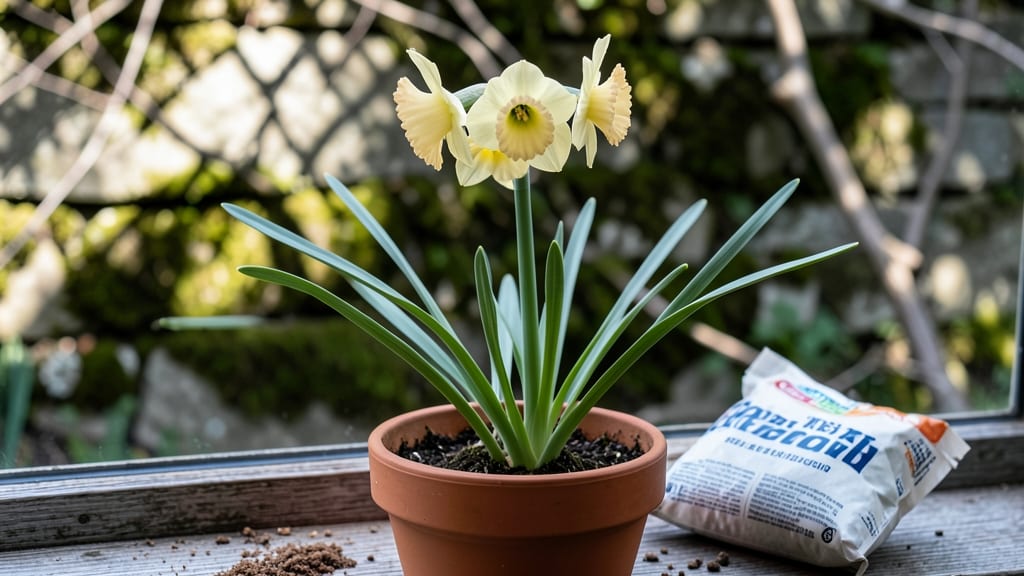
Growing bunch flowered daffodils means waking up to clusters of golden trumpets that smell like spring itself. 🌸 I planted mine last fall, and this year they’re thriving in a spot where nothing else would grow—proving these daffodils are tougher than they look.
Their layered petals and intoxicating fragrance make them stand out from the usual single-bloom varieties, and they multiply like crazy once established.
The secret to their success? Planting them in well-draining soil with a little extra compost, then letting them sit undisturbed for years. They handle shade better than most daffodils and bounce back from winter like champions in zones 3-9.
Unlike their showy cousins, bunch flowered daffodils don’t demand constant attention—just a little water during dry spells and a spot where they won’t get crowded.
By late winter, you’ll be rewarded with 3-5 blooms per stem, each one packed with that signature honey-like scent. They’re perfect for borders, containers, or even cutting for indoor arrangements.
The best part? They naturalize over time, turning your garden into a fragrant, low-maintenance display that keeps coming back year after year.
Whether you’re dealing with rocky soil, partial shade, or just want a plant that thrives on neglect, these daffodils deliver. Here’s how to get started—no green thumb required.
📚 In This Guide
- What you need
- Instructions
- Tips and common mistakes
- Wrapping up and next steps
What you need
- ● Bunch flowered daffodil bulbs: 5–10 bulbs (choose healthy, firm bulbs, 2–3 inches in diameter).
- ● Well-draining soil: A mix of garden soil, compost, and perlite (or sand) for aeration.
- ● Garden bed or large containers: At least 6 inches deep (containers should have drainage holes).
- ○ Bone meal or bulb fertilizer: 1–2 tablespoons per planting hole (optional but recommended).
- ● Garden trowel or bulb planter (for easy digging).
- ● Watering can or hose with a gentle spray nozzle (daffodils dislike soggy roots!).
- ○ Mulch (optional): Straw, pine needles, or shredded bark (1–2 inches thick) to retain moisture and deter weeds.
- ○ Garden gloves (optional): For protection while handling soil or bulbs.
- ● A sunny spot (full sun to partial shade, 6+ hours of light daily).
- ● Cool fall or early winter planting (or spring in mild climates).
- ● Patience! Daffodils may take 2–3 weeks to sprout after planting.
Step-by-Step instructions for planting bunch flowered daffodils
Here’s how to coax those striking trumpet-shaped blooms from your bunch-flowered daffodils with confidence.
🌱 Step 1: Choose the Perfect Planting Spot
Bunch-flowered daffodils thrive in full sun to light shade, with at least 6 hours of direct sunlight daily. I always pick a location where they’ll get morning sun and afternoon shade if summers run hot in your zone. The soil should drain like a sieve—waterlogged roots will rot bulbs before they bloom.
Test your soil’s drainage by digging a 6-inch hole and filling it with water. If it drains in under 30 minutes, your spot is ideal. If not, amend the area with 2-3 inches of coarse sand or gravel mixed into the top 12 inches of soil. Avoid low-lying areas where cold air settles—daffodils need a chill period to flower well.
🪴 Step 2: Plant Bulbs at the Right Depth and Spacing
Dig holes 6 inches deep—that’s twice the height of the bulb—and space them 4-6 inches apart. Bunch-flowered daffodils multiply over time, so give them room to expand without overcrowding. Place each bulb pointy end up (the roots will naturally orient downward).
I like to add a handful of bone meal to each hole for a phosphorus boost—this encourages strong root development before spring. Cover the bulb with soil, then water gently to settle it in. Don’t worry if the soil looks uneven; daffodils tolerate minor surface irregularities better than most bulbs.
💧 Step 3: Water and Mulch for Winter Prep
After planting, water deeply to help roots establish. Once the ground freezes, add a 2-3 inch layer of mulch (like shredded bark or straw) to insulate bulbs. This protects them from extreme temperature swings and keeps soil moisture consistent. In colder climates, mulch also prevents heaving—when soil freezes and expands, lifting bulbs out of the ground.
I mark planting spots with wooden stakes labeled with the variety name. This saves headaches in spring when new foliage emerges—you’ll remember which clumps to admire (and which might need dividing later). Avoid fertilizing now; daffodils store energy in their bulbs over winter.
☀️ Step 4: Care for Foliage After Blooming
Once those trumpet blooms fade, leave the foliage alone for 6-8 weeks. The leaves photosynthesize, replenishing the bulb for next year’s flowers. I resist the urge to cut them back—yellowing leaves signal the bulb is storing energy, not dying. Water occasionally if rainfall is scarce, but avoid soggy soil.
When foliage turns brown and flops over, it’s safe to trim it at the base. This keeps the garden tidy without harming the bulb. In spring of the third year, dig up clumps if they’re crowded—divide offsets and replant them elsewhere. Bunch-flowered daffodils multiply aggressively, so this keeps blooms bold and prevents overcrowding.
⏰ Step 5: Enjoy and Repeat for Stunning Displays
With proper planting, your bunch-flowered daffodils will return year after year, blooming earlier and more prolifically. I’ve seen some clumps thrive for decades with minimal care—just replant offsets every 3-5 years to maintain vigor. The key is patience: these bulbs reward consistency over fussing.
For extra drama, pair them with spring ephemerals like crocuses or grape hyacinths. The contrasting heights create a layered effect that’s pure garden magic. Once established, daffodils are nearly maintenance-free—just water, admire, and repeat.
Tips & tricks for perfect bunch flowered daffodil planting
These are the hard-won lessons that’ll help your bunch-flowered daffodils thrive for years—not just a single season.
Soil Drainage Test: That 30-minute drainage test in Step 1 is non-negotiable. If water pools after 30 minutes, you’re dealing with clay soil. I’ve seen daffodils rot in heavy clay within weeks—amend aggressively with 4-6 inches of coarse sand or gravel mixed into the top 12 inches of soil. The goal is to mimic the well-draining conditions of their Mediterranean native habitat.
Bulb Orientation: The pointy end up rule in Step 2 is critical, but here’s what nobody tells you—if you accidentally plant them upside down, they’ll still grow, just with a deformed neck. The roots will naturally orient downward, but the flower stem won’t develop properly. Take the extra 10 seconds to verify orientation for each bulb.
Mulch Layering: That 2-3 inch mulch layer in Step 3 isn’t just for insulation—it’s a moisture regulator. In winter, it prevents soil temperature swings that can shock bulbs. In summer, it slows moisture evaporation. I’ve found straw mulch works better than bark in windy areas because it stays put. Apply after the first hard frost when soil is already cold.
Foliage Timing: The 6-8 week foliage rule in Step 4 is where most gardeners fail. I’ve seen people cut back yellowing leaves too soon, starving the bulb. Here’s my trick: when about 50% of the leaves turn brown, that’s your cue to trim. The remaining green portion is still photosynthesizing—don’t remove it until it’s completely brown and floppy.
Pro Tips for Bunch Flowered Daffodil
- These are the hard-won lessons that’ll help your bunch-flowered daffodils thrive for years—not just a single season.
- Soil Drainage Test: That 30-minute drainage test in Step 1 is non-negotiable. If water pools after 30 minutes, you’re...
- Bulb Orientation: The pointy end up rule in Step 2 is critical, but here’s what nobody tells you—if you accidentally ...
Frequently asked questions
Got questions about growing bunch flowered daffodils? You’re not alone! Here are answers to the most common queries to help you cultivate these showstopping blooms with confidence.
When is the best time to plant bunch flowered daffodils?
Plant them in fall (6–8 weeks before the ground freezes) for spring blooms. Aim for October–November in most U.S. zones (4–9). Bulbs need cold to root properly—don’t plant in early spring! Pro tip: Chill bulbs in the fridge for 8–12 weeks if planting outside the ideal window.
How long do bunch flowered daffodils take to bloom?
Patience pays off! After planting, expect blooms in 3–6 months (late winter to early spring). First-year flowers may be modest, but mature bulbs (3+ years) produce 10–20 trumpet-shaped blooms per stem. Fun fact: Their bold color contrast makes them stand out in mixed borders!
Are bunch flowered daffodils deer-resistant?
Yes! While not completely deer-proof, they’re highly deer-resistant thanks to their toxic milky sap. Deer usually avoid them unless other food is scarce. For extra protection, plant near alliums or lavender, which deer dislike too. Bonus: Squirrels and rabbits tend to leave them alone as well.
Why aren’t my bunch flowered daffodils blooming?
Common culprits:
- Not enough sunlight: They need 6+ hours of sun daily.
- Overcrowded bulbs: Divide clumps every 3–5 years to revive vigor.
- Poor drainage: soggy soil = rot. Amend clay soil with compost.
- Lack of nutrients: Feed with bulb fertilizer in early spring.
Can I grow bunch flowered daffodils in containers?
Use a deep pot (12"+) with drainage holes and plant 3–5 bulbs per container. Choose lightweight mixes (like cactus/succulent soil) to avoid tipping. Key: Move pots to a cool, dark place (40–50°F) after foliage dies back to mimic winter dormancy.
Wrapping up and next steps
Growing bunch-flowered daffodils is a rewarding experience—these vibrant, low-maintenance beauties bring bold trumpet blooms to your garden with minimal fuss! Whether you’re a seasoned gardener or just starting, their hardiness and striking colors make them a perfect addition to any outdoor space. 🌸
Ready to transform your garden? Start by choosing the right location, prepping the soil, and planting your bulbs in fall. Before you know it, you’ll be enjoying a dazzling display of spring color that brightens up every season. Happy planting!