
Pests
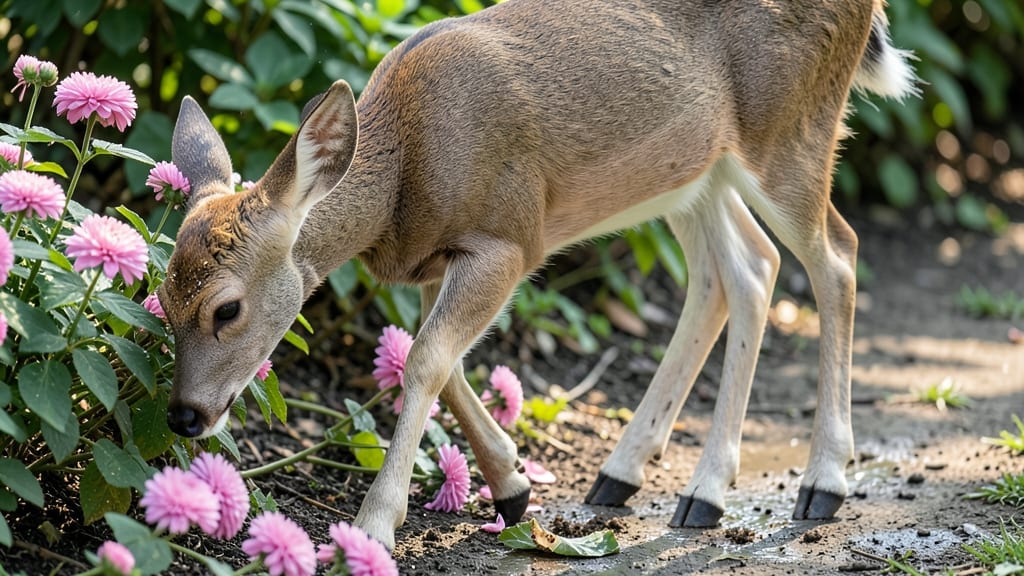
Deer do eat mums (chrysanthemums) flowers, especially when other food sources are scarce. Their strong preference for tender foliage and blooms makes mums a high-risk plant in deer-prone areas, often leading to severe garden damage if left unprotected.
Mums aren't just tasty to deer—they're practically a buffet when other greens are hard to find. 🌿 These hardy perennials produce sweet nectar and soft petals that deer find irresistible, especially during fall and winter when their natural diet dwindles.
The problem worsens in suburban areas where deer have easy access to gardens, often stripping entire plants overnight. What makes this worse is that deer can't always tell toxic plants apart from edible ones, so even if you plant "deer-resistant" varieties nearby, your mums might still become a target.
If you're dealing with deer damage, the key is combining multiple strategies. Physical barriers like 8-foot fencing work best, but for smaller gardens, repellents with strong scents (like rotten eggs or predator urine) can be effective when reapplied weekly.
Planting deer-resistant companions like lavender or Russian sage around your mums also helps create a natural deterrent zone. The best approach is usually a mix of these methods—because once deer discover your garden's mums, they won't stop until they're stopped.
💡 In This Article
- Why Deer Target Mums Flowers in Gardens
- Protecting Mums from Deer: Effective Garden Strategies
Why deer target mums flowers in gardens
Here's what's actually happening when deer zero in on your chrysanthemums: their keen sense of smell detects the sweet nectar and aromatic oils in the petals, which can be up to 30% more concentrated than in many other garden flowers.
Deer have a 40% more sensitive olfactory system than humans, allowing them to pick up these scents from up to 300 yards away.
The soft, velvety texture of mum petals also makes them easy to strip—deer don't need to chew through tough stems, just pull the blooms apart with their prehensile lips. 🌸
The timing of mum blooming coincides perfectly with deer's seasonal food shortages. Late summer through fall is when deer face their most critical nutritional needs after summer grazing, and mums provide a high-carbohydrate, low-fiber snack that's easy to digest.
Studies show deer consume up to 30% more vegetation during this period when natural food sources like clover and alfalfa decline.
What's worse, deer can't always distinguish between toxic and non-toxic plants—they rely more on scent and texture than visual cues, which is why even \"deer-resistant\" varieties might get nibbled if mums are nearby.
The science behind deer's plant selection involves more than just hunger—it's about nutritional optimization. Mums contain 15-20% more sugars than many garden plants, making them an energy-dense food source.
Deer also target plants with high water content (like mum petals), which helps them stay hydrated during dry fall months. 🦌 This combination of sweetness, softness, and nutritional value turns mums into a deer superfood—especially when other options are scarce.
What most gardeners don't realize is how deer's browsing behavior creates a feedback loop. When deer eat mums, they often leave behind seed heads that can sprout into new plants—meaning your garden might become a deer buffet even if you didn't intentionally plant mums.
This is particularly problematic in suburban areas where deer populations are dense, as they'll quickly learn which gardens offer the easiest meals. The key factor here is habituation: once deer discover a food source, they'll return repeatedly until it's eliminated.
Botanically speaking, mums' attractiveness to deer stems from their high anthocyanin content—the same pigments that give them their vibrant colors. These compounds aren't just visually appealing; they also contain antioxidants that deer find beneficial.
However, the real draw is the nectar produced by mum flowers, which can contain up to 25% sugar by weight—a significant energy boost for browsing deer. 🌿 This makes mums particularly dangerous in late fall when deer are preparing for winter and need maximum caloric intake from every bite.
Interestingly, deer show seasonal preference shifts—they'll target mums more aggressively when other preferred foods like apples, corn, or acorns are less available. This explains why damage often spikes in October and November, when natural food sources dwindle but mums remain in full bloom.
The contrast between the bright colors of mum flowers and the brown, dried vegetation of late fall makes them stand out even more to deer's color-sensitive vision.