
Shrubs
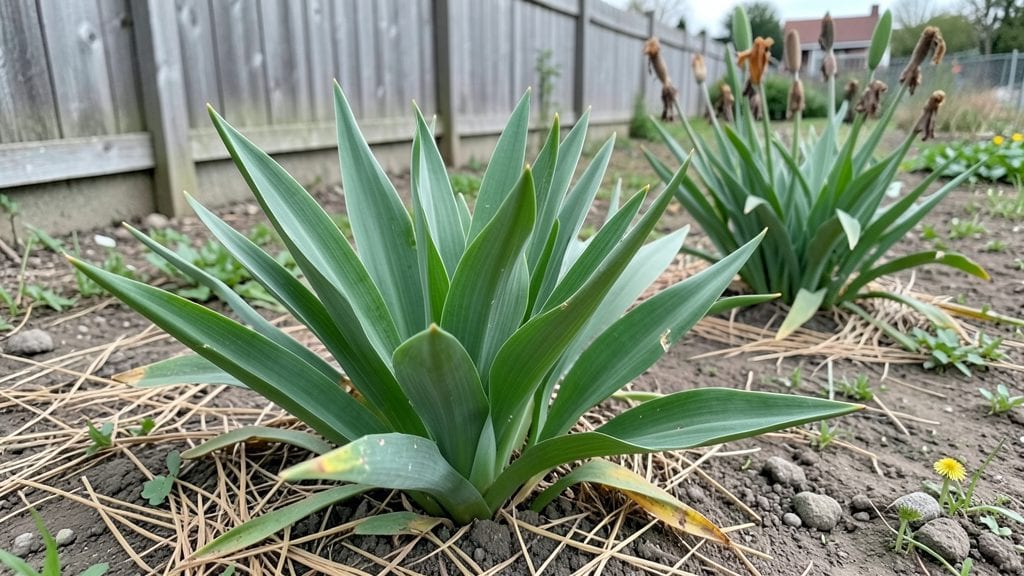
Daylilies not flowering can feel like a cruel joke after all that green growth. 🌿 I’ve stared at my own daylilies—lush foliage but no blooms—and realized the problem wasn’t the plants, but the conditions we were giving them.
Most gardeners assume daylilies are low-maintenance, but they actually need precise sunlight and soil to reward you with those showy blooms.
The biggest culprits are too much shade or soil that’s either too rich or too poor. Daylilies thrive in full sun (6+ hours daily) but hate soggy roots—amending heavy clay or sandy soil with compost can make all the difference.
Overcrowding also steals energy from blooms, so thinning out clumps in early spring gives each plant room to shine.
With the right adjustments, you’ll see buds forming within weeks. I went from zero blooms to neighborhood-stopping flowers by moving a few plants to sunnier spots and adding a balanced fertilizer in early spring. The key is patience—daylilies reward consistent care, not quick fixes.
Works for both established clumps and new divisions, and the same principles apply whether you’re in Zone 5 or 9. Let’s turn that foliage into a floral spectacle this season.
Root Causes Behind Missing Blooms
When your daylilies (Hemerocallis spp.) refuse to produce those vibrant, cheerful flowers, the issue often boils down to a mix of environmental stress, cultural mismanagement, or biological factors.
Understanding these triggers is the first step to reviving your plants. Below, we break down the most common reasons—backed by science—and how they disrupt flowering.
Daylilies are sun-worshippers and need 6–8 hours of direct sunlight daily to trigger blooming. When deprived, they prioritize leaf growth over flower production.
- Why it happens: Flowering in daylilies is regulated by photoperiodism—the plant’s response to daylight length. Short days or shade stress can delay or halt bud formation.
- Actionable fix: Relocate to a sunnier spot or thin nearby trees/shrubs blocking light. Pro tip: 🌡️ If your climate has long winters, supplement with a grow light (12+ hours/day) to mimic spring conditions.
Daylilies thrive in well-draining, slightly acidic to neutral soil (pH 6.0–7.0). Compacted, nutrient-poor, or waterlogged soil starves roots, diverting energy away from blooms.
- Why it happens:
- Nitrogen overload: Too much nitrogen (common in fertilizers) promotes lush foliage but suppresses flowering by delaying maturity.
- Compacted soil: Restricts root oxygen, weakening the plant’s ability to produce flowers.
- pH imbalance: Extreme acidity/alkalinity locks out essential nutrients like phosphorus (critical for blooms).
- Actionable fix:
- Test soil pH and amend with lime (to raise pH) or sulfur (to lower it).
- Mix in compost or aged manure for organic matter.
- Avoid high-nitrogen fertilizers; opt for a balanced 10-10-10 or bloom-specific formula (e.g., 5-10-10).
Daylilies are drought-tolerant but hate soggy roots or inconsistent moisture. Both extremes stress the plant, halting flower production.
- Why it happens:
- Overwatering: Leads to root rot (Phytophthora or Fusarium), cutting off nutrient transport to buds.
- Underwatering: Triggers drought stress, causing buds to abort before opening.
- Actionable fix:
- Water deeply 1–2 times per week (adjust for clay/sandy soil).
- Ensure proper drainage—amend heavy soil with perlite or sand.
- Pro tip: 🎯 Mulch with 2–3 inches of straw to retain moisture and regulate soil temp.
Daylilies need warmth to bloom, but extreme heat, cold snaps, or sudden temperature swings can shock the plant.
- Why it happens:
- Late frosts: Damage emerging buds before they open.
- Heatwaves (>90°F): Cause bud blast (buds dry up before flowering).
- Poor acclimation: Young plants or those moved suddenly may struggle to adjust.
- Actionable fix:
- Hardy varieties (e.g., ‘Stella de Oro’) tolerate heat better—choose based on your zone.
- Shade cloth (30–50%) can protect from afternoon sun in hot climates.
- Mulch heavily in winter to insulate roots from freezing.
Daylilies multiply via rhizomes, and over time, clumps become congested, reducing energy for flowers.
- Why it happens:
- Competition for resources: Too many rhizomes vie for water/nutrients, stunting bloom production.
- Older plants: After 3–5 years, flowering declines unless divided.
- Actionable fix:
- Divide clumps every 3–4 years in early spring or fall.
- Remove sucker growth (weak offshoots) to redirect energy to established rhizomes.
Hidden attackers like aphids, slugs, or fungal pathogens (e.g., leaf spot) drain the plant’s energy, leaving it too weak to flower.
- Why it happens:
- Aphids/sap-suckers: Excrete honeydew, fostering sooty mold, which blocks sunlight.
- Slugs/snails: Devour buds before they open.
- Fungal infections: Weakened plants can’t allocate resources to reproduction.
- Actionable fix:
- Neem oil or insecticidal soap for pests.
- Beer traps or copper barriers for slugs.
- Remove debris and water at soil level (not overhead) to prevent fungal spread.
Revive your daylilies bloom potential
If your daylilies are putting on lush foliage but skipping the flowers, don’t despair—there are practical fixes to coax those vibrant blooms back into action. The key is identifying the root cause (literally and figuratively!) and addressing it with targeted care. Below, we’ve mapped out solutions for the most common culprits, along with prevention tips to keep your daylilies thriving for seasons to come.
When daylilies are packed too tightly, they compete for nutrients and sunlight, diverting energy away from flowering. Solution:
- 🔪 Divide and conquer: Dig up clumps in early spring or fall (when growth is slow). Separate the rhizomes, ensuring each section has at least one "eye" (growth bud) and a few roots. Replant divisions 18–24 inches apart in well-draining soil. Pro tip: Discard the oldest, woody center—it’s past its prime and won’t rebloom!
- 🌱 Thin strategically: If dividing isn’t an option, gently remove some of the smallest shoots around the base to reduce competition. Space remaining plants to match their mature size (most daylilies need 12–24 inches of space).
💡 Prevention: Plant daylilies with their final spacing in mind from the start. Avoid "filling in" gaps with more plants—let them stretch!
Daylilies need full sun (6–8 hours daily) to trigger flowering. Too little light, and they’ll focus on leaves instead. Solution:
- 🔍 Audit your site: Observe where your daylilies are planted. If they’re in deep shade (under trees or tall structures), consider relocating them to a sunnier spot. Note: Morning sun + afternoon shade works for some varieties, but most need unfiltered light.
- 🌿 Prune for sunlight: Trim back overgrown shrubs or trees casting shade. Even a few extra hours of sun can make a difference.
- 🌅 Embrace containers: Move potted daylilies to sunnier locations temporarily (like a patio or balcony) during their peak growing season (spring/summer).
💡 Prevention: Choose planting spots with future sun exposure in mind. Young trees or structures may grow and block light over time.
Fluctuating moisture levels can shock daylilies into survival mode, halting blooms. Solution:
- 👨🍳 Water deeply but infrequently: Aim for 1 inch of water per week (including rain). Water at the base, not overhead, to prevent fungal issues. Let the top 1–2 inches of soil dry out between waterings—daylilies are drought-tolerant once established!
- 🌡️ Adjust for seasons: Reduce watering in winter (unless it’s unusually dry) and increase slightly during hot spells. Watch for: Wilting leaves (underwatering) or yellowing foliage (overwatering).
- 🔥 Mulch like a pro: Apply 2–3 inches of mulch (straw, wood chips, or shredded leaves) around plants to retain moisture and regulate soil temperature. Keep mulch away from the crown to prevent rot.
💡 Prevention: Improve soil drainage if your garden holds water. Amend heavy clay with compost or sand to help roots breathe.
Daylilies need nutrients, but too much fertilizer (especially high-nitrogen) promotes foliage at the expense of flowers. Solution:
- 📊 Use a bloom booster: Switch to a low-nitrogen, high-phosphorus fertilizer (like 5-10-10 or 10-20-20) in early spring. Apply according to package instructions—usually every 4–6 weeks during the growing season.
- 🥗 Organic options: Spread compost or aged manure around the base in spring. Avoid fresh manure, which can burn roots.
- ✨ Skip fall feeding: Stop fertilizing by late summer to encourage dormancy and next year’s blooms.
💡 Prevention: Test your soil annually. Daylilies thrive in slightly acidic to neutral soil (pH 6.0–7.0). Adjust pH with lime (to raise) or sulfur (to lower) if needed.
Deadheading (removing spent blooms) and strategic pruning redirect energy toward future flowers. Solution:
- 🌼 Deadhead regularly: Snip off faded blooms just above the first set of healthy leaves (or the next bud). This prevents seed formation and encourages more flowers. Do this every 2–3 days during peak bloom for repeat-flowering varieties.
- 🔪 Trim back after blooming: Once flowering slows in late summer, cut back foliage by one-third to reduce disease risk and promote fresh growth. Avoid heavy pruning in fall—let leaves die back naturally.
- 🌱 Clean up debris: Remove old leaves and stems in early spring to prevent fungal diseases like leaf spot.
💡 Prevention: Choose reblooming daylily varieties (like ‘Stella de Oro’ or ‘Happy Returns’) if you want continuous color—they’re bred to flower multiple times per season!
Pests (like aphids or Japanese beetles) and diseases (e.g., rust or powdery mildew) stress plants, diverting energy away from flowers. Solution:
- 🔍 Inspect regularly: Check undersides of leaves for pests. Blast off aphids with a strong spray of water or use insecticidal soap. For beetles, handpick them into soapy water.
- 🌡️ Improve airflow: Space plants properly and prune nearby foliage to reduce humidity around leaves, which discourages fungal growth.
- 💊 Treat early: If you spot mildew (white powder) or rust (orange spots), apply a copper fungicide or baking soda spray (1 tsp baking soda + 1 quart water + a drop of dish soap) every 7–10 days.
💡 Prevention: Plant daylilies in full sun and good airflow—these are their best defenses against pests and disease.
With these fixes, your daylilies should be bursting with color in no time. Start with one or two adjustments (like dividing clumps or adjusting watering), then monitor progress. Patience is key—some solutions (like relocating to sunnier spots) may take a season to show results. Happy gardening! 🌸
Frequently asked questions
Why do my daylilies have so many leaves but no flowers?
Too much nitrogen in your soil or fertilizer is likely the culprit. Daylilies prioritize leaf growth when they get excessive nitrogen, which delays flowering. Switch to a balanced or phosphorus-rich fertilizer (like 5-10-10) and reduce feeding frequency to encourage blooms instead of foliage.
Can I fix my daylilies' lack of blooms by just adding more sunlight?
Sunlight is critical—daylilies need 6-8 hours of direct sun daily to trigger flowering. If they're in shade, relocating them to a sunnier spot can work, but also check soil conditions and fertilizer use. Sometimes, combining sunlight adjustments with proper nutrients yields the best results.
How often should I divide my daylilies to encourage more flowers?
Divide overcrowded clumps every 3-4 years in early spring or fall. This reduces competition for nutrients and sunlight, redirecting energy toward flower production. Remove the oldest, woody center during division—it won't rebloom.
Will deadheading my daylilies make them bloom more?
Deadheading spent blooms every 2-3 days during peak season prevents seed formation and encourages more flowers. For reblooming varieties, this practice can double your blooms. Just snip above the first healthy leaf set.
Are there any daylily varieties that bloom more reliably?
Yes! Reblooming varieties like 'Stella de Oro' or 'Happy Returns' are bred to flower multiple times per season. They're more forgiving about care and produce continuous blooms when given proper sunlight and nutrients.